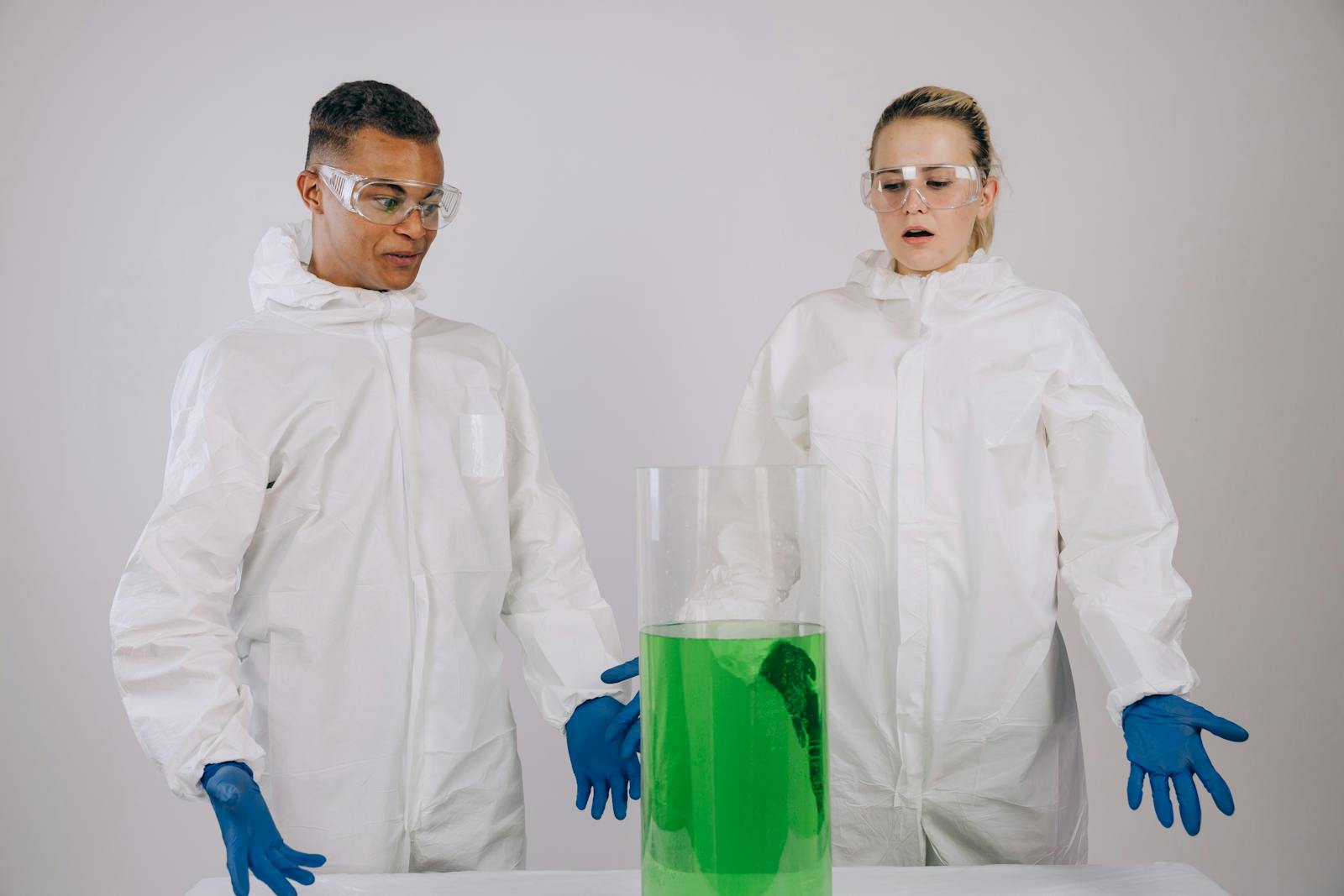
Anthropic and OpenAI are hiring experts in chemical weapons, explosives, and biological risks to identify vulnerabilities in their AI systems and build protective filters. While this appears responsible, it reflects deeper contradictions: Anthropic embeds Claude AI in Palantir systems used by US military while simultaneously suing the Department of Defence, all without international regulatory oversight. The hiring strategy aims to test systems against potential misuse scenarios, but critics question whether using AI to handle sensitive weapons information is fundamentally safe, highlighting tensions between safety-first branding and profit-driven scaling.
"Anthropic, the AI company that has built its brand on safety-first principles, is hiring a chemical weapons and high-yield explosives expert to prevent what it calls "catastrophic misuse" of its AI software. The job listing appears to require experience in chemical weapons and explosives defence, as well as knowledge of radiological dispersal devices - commonly known as dirty bombs."
"On the surface, this looks like responsible corporate behaviour: hire domain experts to build guardrails before something goes wrong. But place these job listings alongside the broader institutional picture - Anthropic's Claude AI embedded in Palantir systems and deployed in US military operations, the company simultaneously suing the Department of Defence, and a complete absence of international regulation governing any of this - and a more complex story emerges."
"The logic behind these hires is straightforward enough. As large language models become more capable, they potentially become more useful to bad actors seeking technical knowledge about weapons of mass destruction. Hiring people who understand the threat landscape allows AI companies to test their systems, identify vulnerabilities, and build better filters."
Read at Silicon Canals
Unable to calculate read time
Collection
[
|
...
]