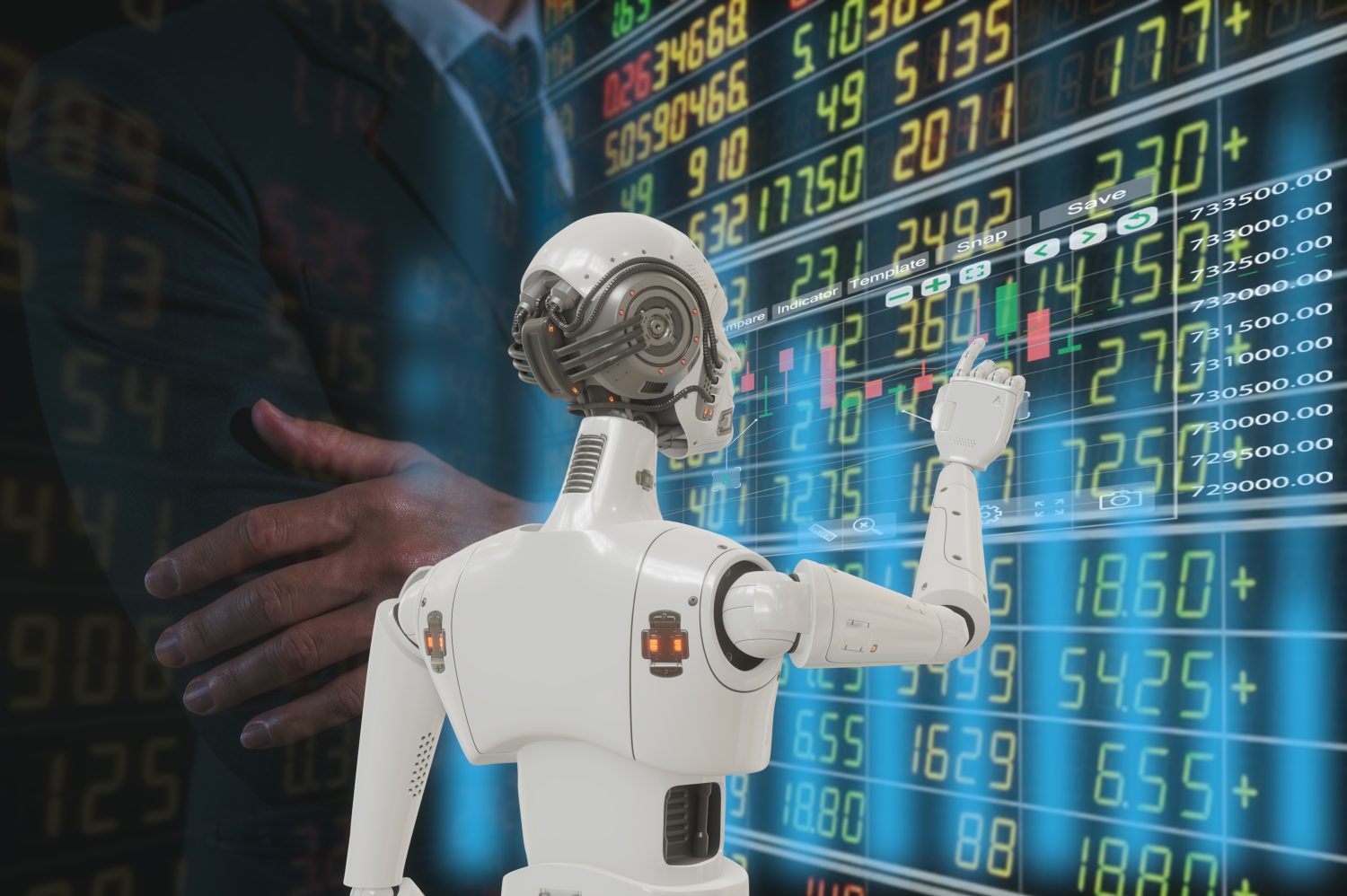
"Though white collar could be the first to be hit as AI comes to the workplace, there's a chance that blue collar could be next, especially if automation robotics advances faster than anticipated. Of course, physical AI is the next major step, and there are still major mountains to climb before robots become part of the everyday routine."
"Whether it's chips, power, or other critical pieces of infrastructure that's in the way of the next lift-off of the AI boom, it will be interesting to see how firms react. Perhaps more firms, like Elon Musk, could get into the semiconductor fab business to get chip production where it needs to be to accelerate the push towards physical AI and robotics."
"Either way, just like generative AI and agents can accomplish white-collar tasks, robots can handle physical work. And the future of the warehouse may very well be with robots working around the clock without the lights on (a dark factory, so to speak)."
AI automation threatens white-collar employment as agentic AI becomes more capable and independent, though distinguishing hype from reality remains challenging. Blue-collar work may face similar risks as physical AI and robotics advance. Semiconductor production constraints, particularly Taiwan Semiconductor's capacity limitations, currently slow the development of physical AI infrastructure. Critical bottlenecks in chips, power, and infrastructure may drive companies like those led by Elon Musk into semiconductor manufacturing. Future warehouses could operate as fully automated dark factories with robots working continuously. Both white-collar and blue-collar sectors face potential disruption from AI and robotic automation technologies.
#ai-automation #blue-collar-jobs #physical-robotics #semiconductor-infrastructure #workforce-disruption
Read at 24/7 Wall St.
Unable to calculate read time
Collection
[
|
...
]