"Up in the Cascade Mountains, 90 miles east of Seattle, a group of high-ranking Amazon engineers gather for a private off-site. They hail from the company's North America Stores division, and they're here at this Hyatt resort on a crisp September morning to brainstorm new ways to power Amazon's retail experiences. Passing the hotel lobby's IMAX-like mountain views, they filter into windowless meeting rooms."
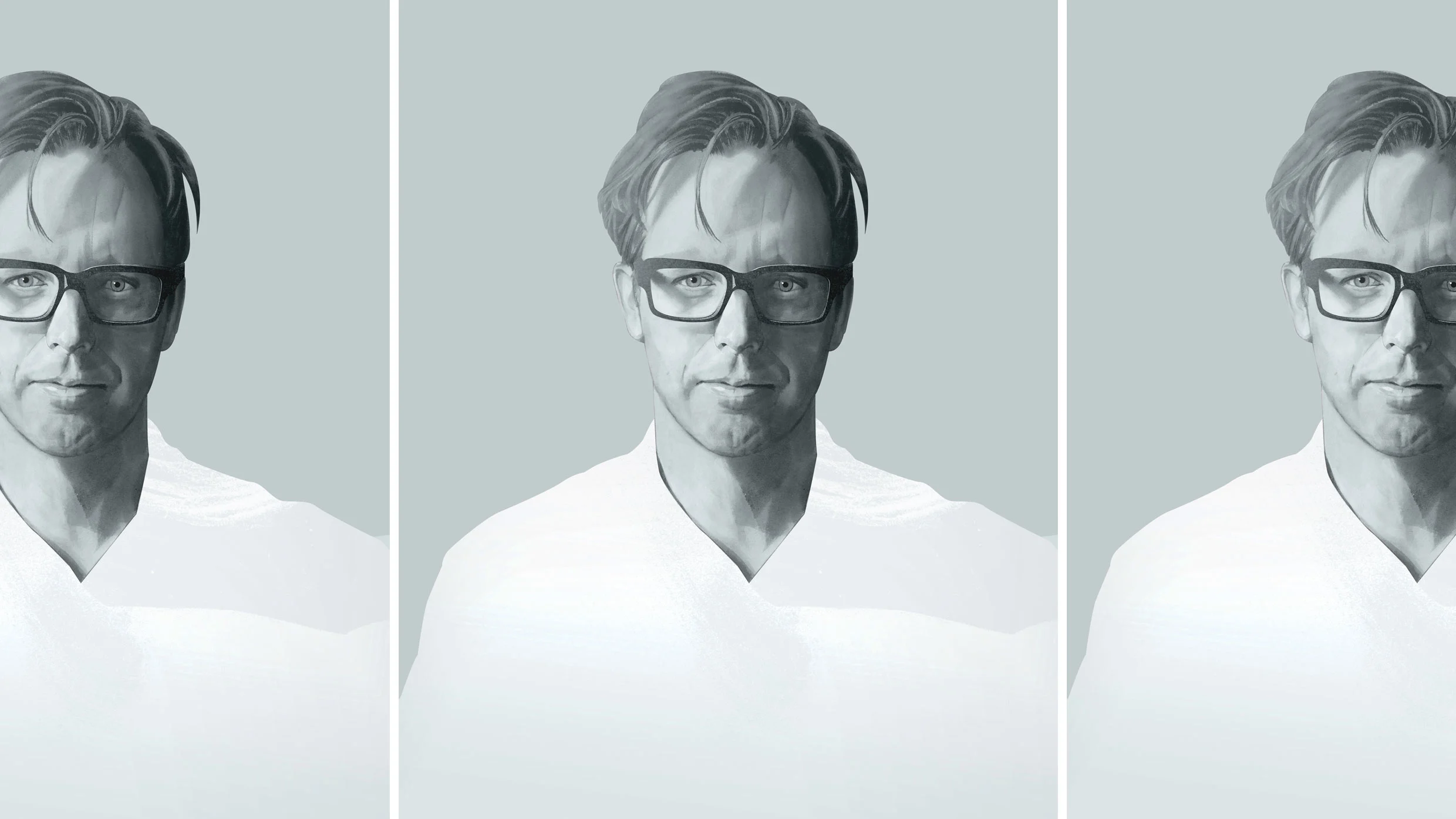
"Cook is 6-foot-6, but with sloping shoulders that make his otherwise imposing frame appear disarmingly concave. He's wearing a rumpled version of his typical uniform: a thick black hoodie and loose black pants hanging slightly high at the ankles. An ashy thatch of hair points in whatever direction his hands happen to push it. Cook, 54, doesn't look much like a scientist, distinguished or otherwise, and certainly not like a VP-more like a nerdy roadie."
""They don't know who I am yet," he tells me between bites of breakfast, referring to the two dozen or so engineers now taking their seats. Despite his exalted title, Cook has faced plenty of rooms like this in his self-made role as a kind of missionary within Amazon, spreading the word about a powerful but obscure type of artificial intelligence called "automated reasoning.""
High-ranking Amazon engineers convene at a Cascade Mountains resort to explore ways to power retail experiences. Byron Cook, a tall, rumpled vice president and distinguished scientist, evangelizes automated reasoning to skeptical technical audiences. Automated reasoning relies on long-standing logical principles rather than massive GPU-driven models and aims to address AI hallucinations. Cook frames his role as a missionary spreading knowledge about this powerful but obscure approach. The effort positions Amazon to apply alternative AI methods across its North America Stores division to improve reliability and reduce errors in retail systems.
Read at Fast Company
Unable to calculate read time
Collection
[
|
...
]