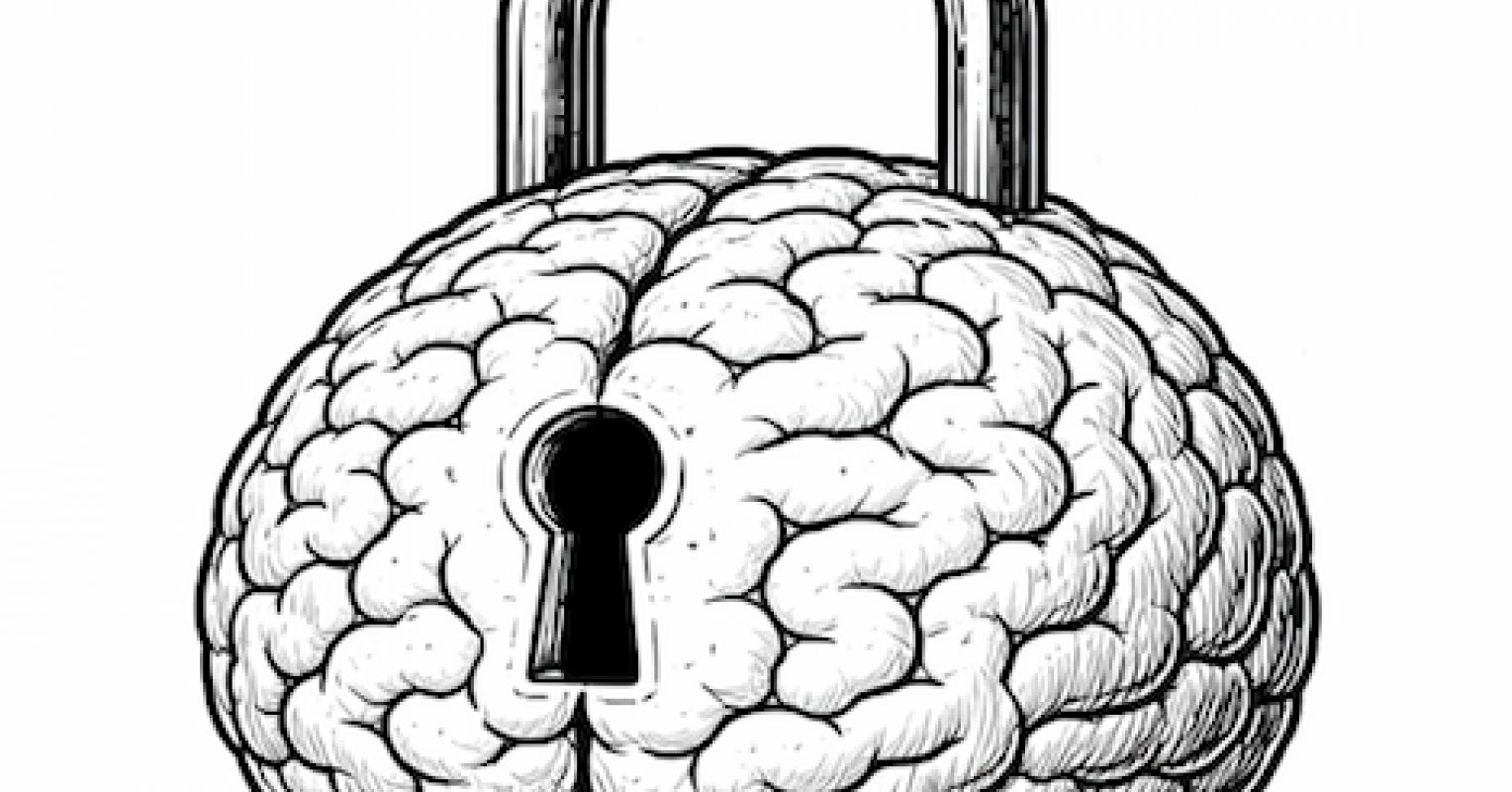
"First came Gutenberg, who unlocked words by taking them from the scribe's hand and placing them in the machine. Recorded thought could now travel and persist. The work of the mind began to shift from preservation toward interpretation. Then came the internet, which unlocked facts. The library collapsed into a search box, and recall gave way to retrieval and synthesis. Knowledge became less something we carried and more something we could summon."
"Every previous cognitive technology functioned as an extension of an already-formed mind. Books extended memory. Indexes and search engines extended recall. Calculators extended arithmetic. Simply put, they were prosthetics for thought, not substitutes for its formation. What is emerging now is something else entirely. For the first time, the process of arriving at a coherent answer no longer has to occur inside a human mind. It can be generated elsewhere and delivered whole."
Gutenberg mechanized written language, shifting mental work from preservation to interpretation by making recorded thought travel and persist. The internet transformed knowledge into retrievable facts, collapsing libraries into searchable synthesis and making knowledge summonable rather than carried. Large language models now produce content with fluency resembling understanding, shifting cognitive labor from synthesis toward the act of thinking itself. This change externalizes the process of forming coherent answers, allowing answers to be generated outside human minds and delivered whole. The phenomenon described as anti-intelligence produces fluent, often correct outputs without interior struggle. Humans retain the burden of uncertainty and lived understanding.
Read at Psychology Today
Unable to calculate read time
Collection
[
|
...
]