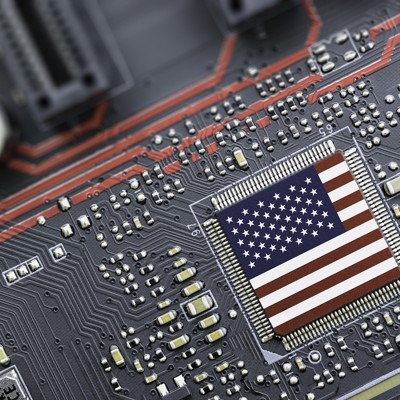
"AI presents a similar dramatic inflection point. But the telecom infrastructure we are relying on - the public internet and today's version of cloud computing - was never designed for the scale, speed and security AI will require. As I outlined in my recent white paper [Cloud 2.0: Because AI Won't Run on Yesterday's Internet], unless we act now, the U.S. risks ceding technological and economic leadership to those who solve this challenge first."
"Cloud 1.0, built for SaaS and e-commerce applications, cannot carry the industrial-scale AI workloads already emerging. AI "factories" are being constructed to train and retrain models around the clock, moving petabytes / exabytes of data daily across networks. These patterns demand low-latency, high-capacity, programmable connectivity - capabilities the public internet cannot reliably provide. The period around the COVID-19 pandemic first exposed the limits of this system, as surging digital demand tested bandwidth and resilience. AI is magnifying those pressures exponentially."
"My research and analysis by leading firms such as 4MC predict a 10-fold increase in U.S. data-center capacity by 2028, much of it in rural and suburban corridors where space, power and water are more available. This is a once-in-a-generation infrastructure build-out. But unlike railroads or highways, it will unfold in just three to five years, not decades. If the U.S. fails to prepare, the bottlenecks will hit fast."
Historic infrastructure projects transformed growth, security and global leadership, and AI now requires a comparable infrastructure leap. Existing public internet and current cloud architectures were not designed for the scale, speed and security industrial-scale AI demands. Emerging AI factories will train and retrain models continuously, moving petabytes to exabytes daily and requiring low-latency, high-capacity, programmable connectivity. Pandemic-era demand already exposed bandwidth and resilience limits; AI will magnify those pressures exponentially. Forecasts predict roughly a tenfold increase in U.S. data-center capacity by 2028, concentrated in rural and suburban corridors. This build-out must occur within three to five years. Failure to act will constrain innovation, delay deployment, raise costs and create security vulnerabilities.
Read at Nextgov.com
Unable to calculate read time
Collection
[
|
...
]