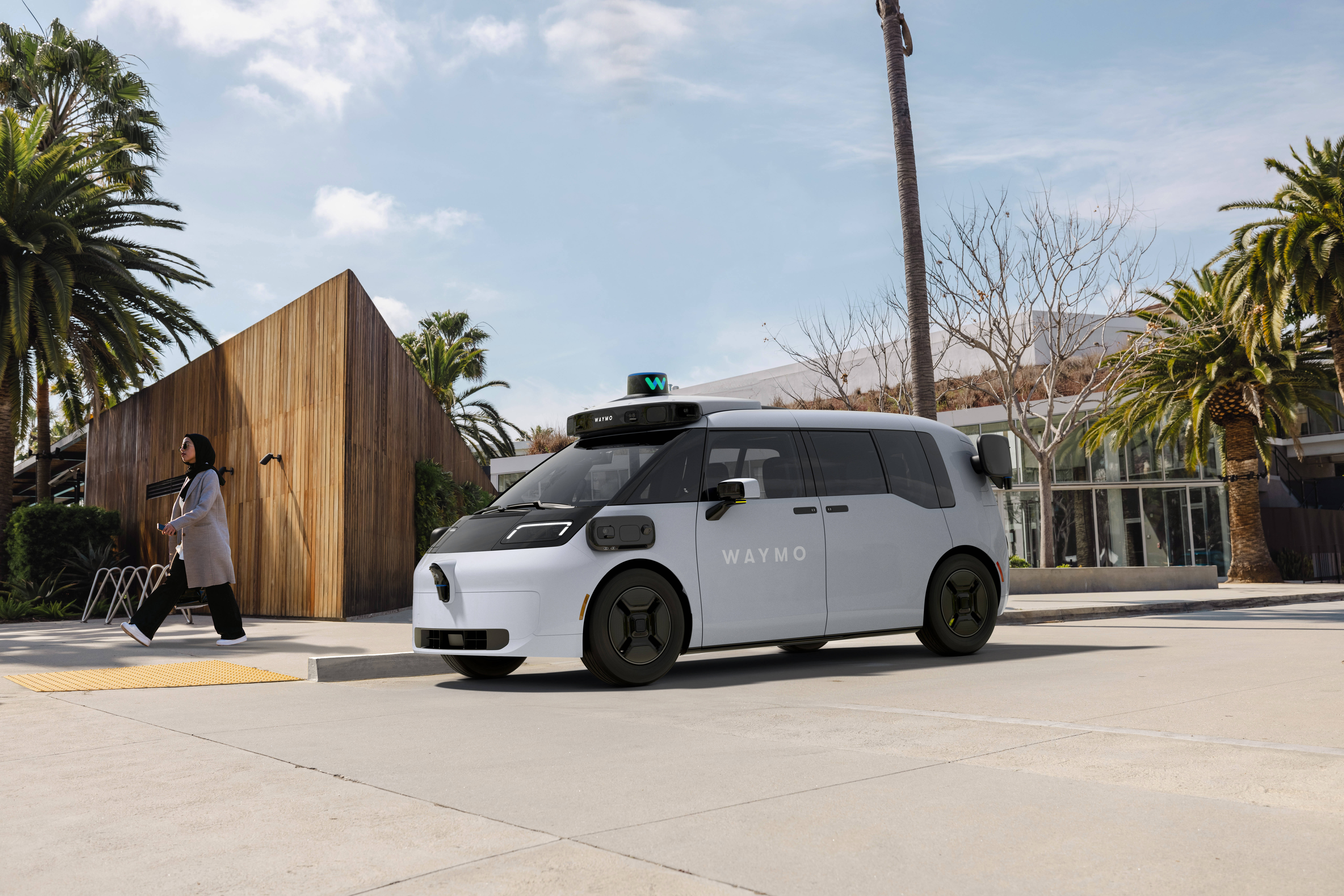
Waymo is deploying its sixth-generation Driver, its first new platform since 2020, retaining a camera/radar/lidar architecture but using upgraded hardware and software to do more with less. The system aims to expand operation into more diverse environments, including extreme winter weather, by improving sensing and perception. New components include an in-house 17-megapixel imager that reduces camera count by more than half while improving low-light sensitivity, resolution, and dynamic range. The updated lidar better penetrates weather and avoids distortion from reflective surfaces. Lidar and radar costs and performance have improved, and the new radar adds algorithms and hardware for better rain performance. The rollout has generated controversy for being installed on vehicles built by a Chinese automaker.
"The sixth-generation Driver, as Google-backed Waymo calls it, uses the same three-part camera/radar/lidar vision system as previous generations of its autonomous vehicle stack. The company claims this newest version, its first new platform since 2020, does significantly more with less thanks to years of hardware and software improvements. "This system's expanded capabilities allow us to safely broaden our footprint into more diverse environments, including those with extreme winter weather," Waymo engineering VP Satish Jeyachandran wrote in the company's announcement."
"The new lidar system, Jeyachandran said, offers similar upgrades that help it better penetrate weather and avoid distortion caused by highly reflective road signs and other surfaces that could leave vehicles unable to proceed. The Waymo engineering VP also noted that the cost of lidar and radar systems has decreased considerably over the past five years while their range and sensitivity have improved, leading to lower overall costs and better performance./p>"
Read at Theregister
Unable to calculate read time
Collection
[
|
...
]