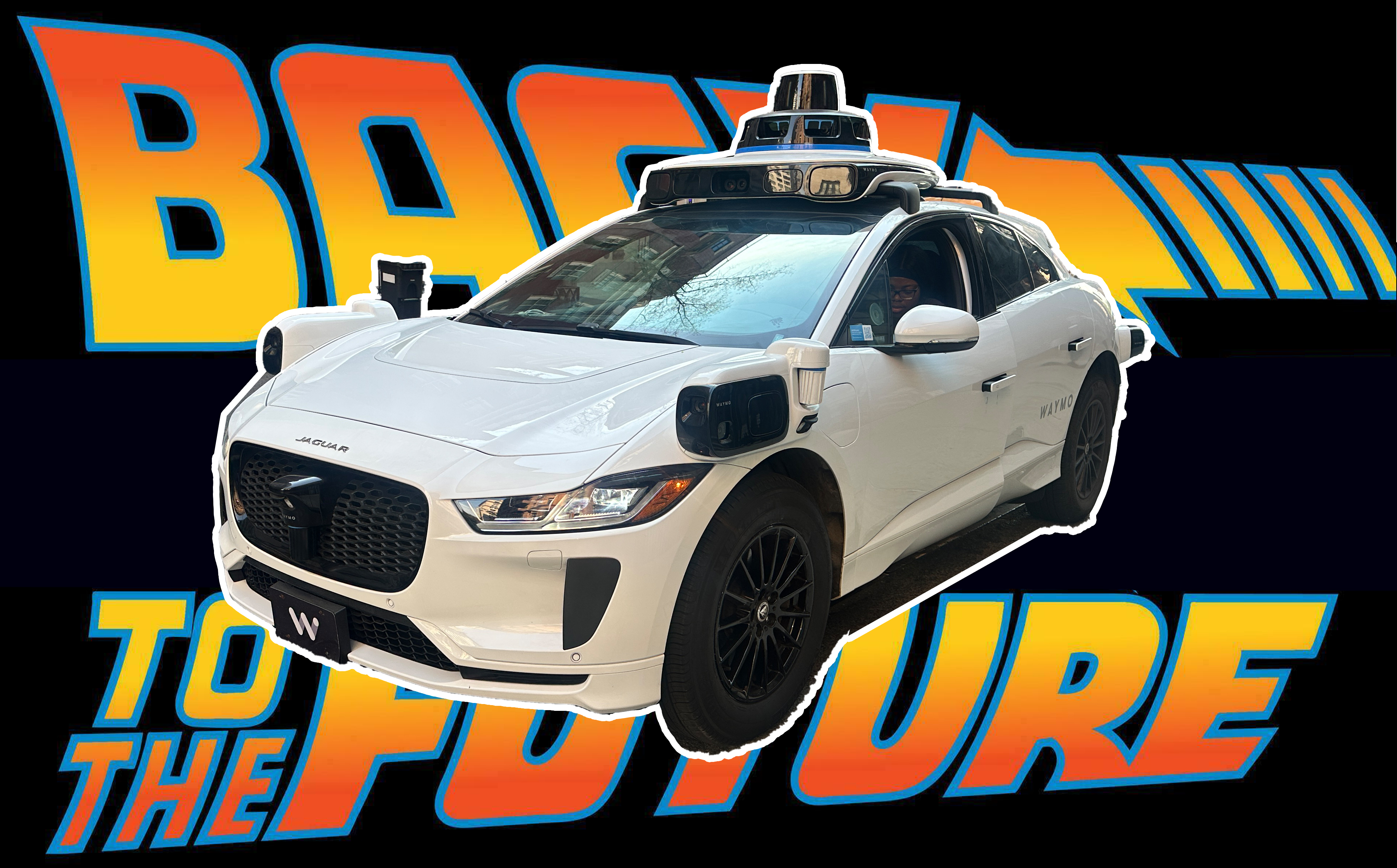
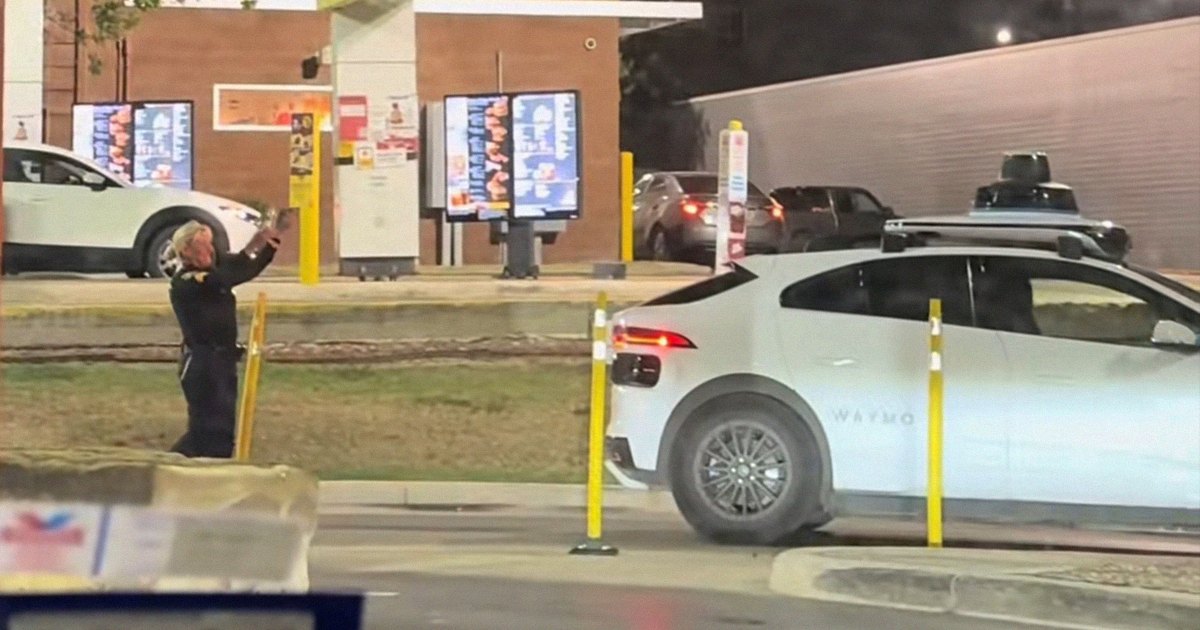
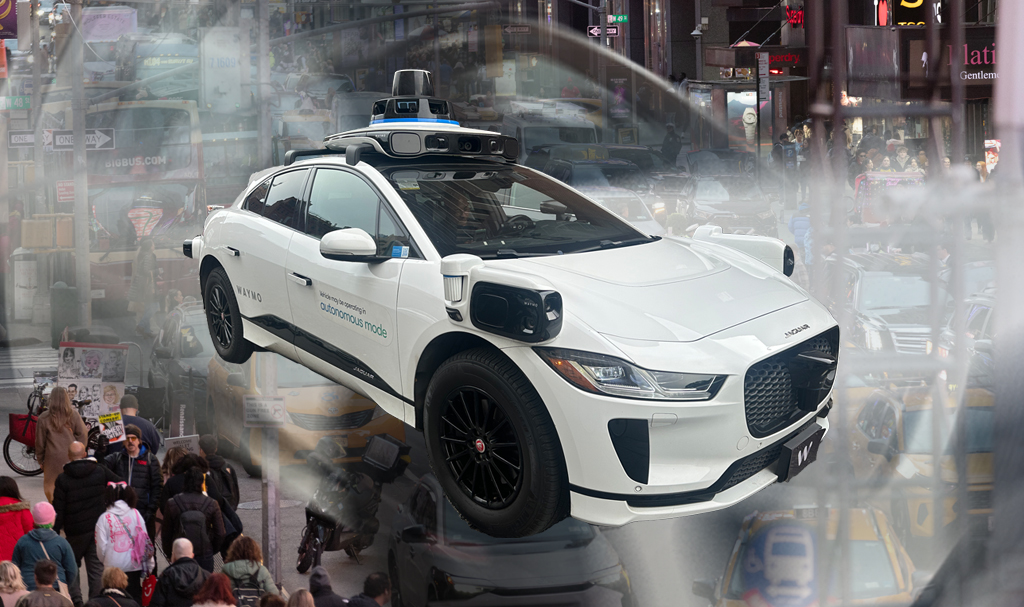
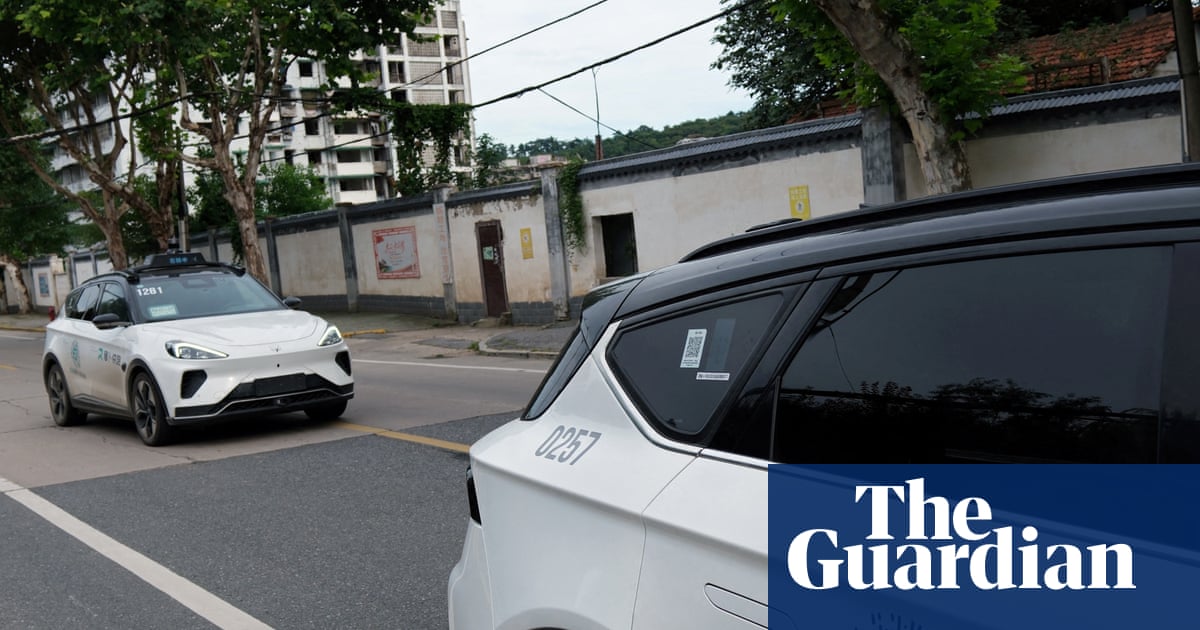
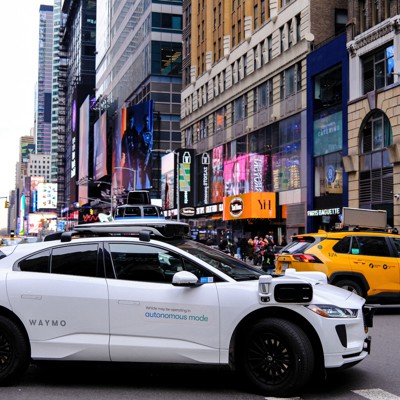
The new law, if passed, would loosen the state's restrictions on self-driving car companies by forming a pilot program that would allow for "the limited deployment of commercial for-hire autonomous passenger vehicles outside New York City." Applicants to the pilot program would need to demonstrate that they have "local support for [autonomous vehicle] deployment" and prove their "adherence to the highest possible safety standards" to be considered.
Lucid Motors closed out 2025 with some very encouraging news. The automaker had avoided the slump in sales that affected other electric vehicle manufacturers while also reaching a manufacturing goal that some observers had viewed with skepticism. The company had another big announcement to make to start off the new year, and this one had to do with a different aspect of their business - and one that doesn't factor in human drivers at all.
Once a customer bought a car, that software could stay locked in a box and never need to be updated unless something was wrong (and then it was a trip to a dealership). That strategy worked great right up until cars became rolling data centers on wheels. Now automakers are starting to stare down the reality of what complex hardware and connected software really meanboth the advantages and disadvantages. And the consensus? Maybe platform sharing and open-source software was the right idea all along.
In October, Nvidia, a Santa Clara-based company founded around a Denny's table in East San Jose in 1993, became the first company in history to reach a market value of $5 trillion. CEO and co-founder Jensen Huang, who immigrated to the U.S. as a child from Taiwan and worked as a dishwasher and busboy before earning electrical engineering degrees from Oregon State and Stanford, saw his net worth soar to an estimated $152 billion, making him the world's eighth-richest person, according to Forbes.
For many workers, driving for Uber and Lyft or delivering restaurant orders for DoorDash is a side hustle - or, in some cases, a lifestyle. But faced with falling earnings and the rise of self-driving vehicles, some are having second thoughts about the job. Some gig workers have told Business Insider for years that a combination of base pay cuts and increased competition for gigs has made the work more challenging.