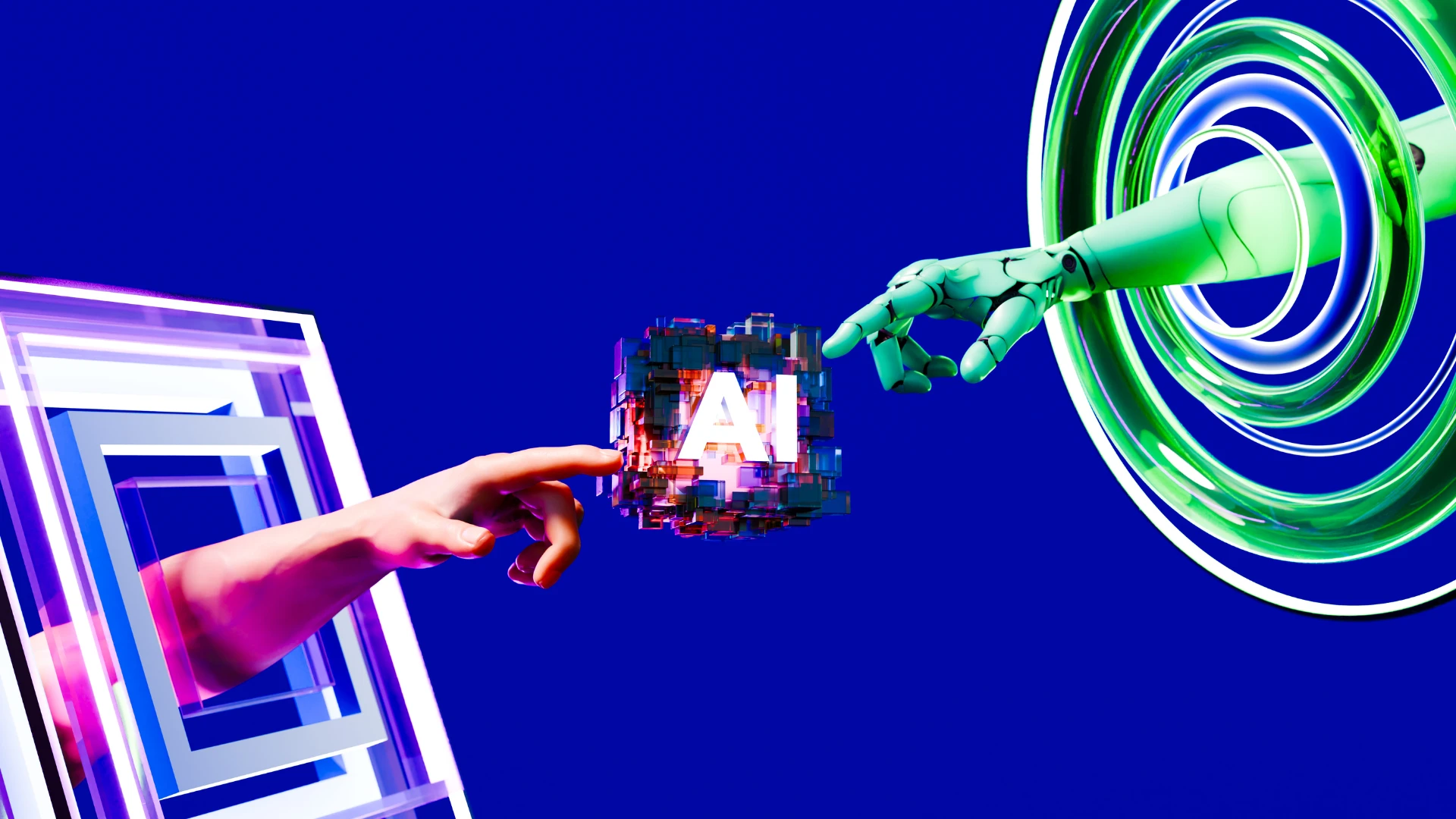
"AI is intended to function middle-to-middle; humans, by contrast, are end-to-end. By ceding it all to AI, outputs suffered; we suffered. Both people and machines settled for less than what was possible. Generic, hollow, clean, and devoid of subjective taste or judgement. Master of summary but without significant depth."
"A recent study of 180 million global job postings from January 2023-October 2025 showed that creative roles in particular saw a sharp decline. Graphic artist postings, for example, dropped by a whopping 33%. Data across the Bureau of Labor Statistics supports the trend that human creative work has slowed dramatically."
"A recent paper coauthored by Dartmouth researcher Anaïs Galdin and Princeton's Jesse Silbert points out that since LLMs entered the hiring picture, organizations are having a difficult time distinguishing the most qualified applicants. Through its accessibility, AI makes anyone sound capable. But it does not make them an expert. Therein lies the opportunity."
2025 marked the shift from AI novelty to AI slop—generic, hollow outputs lacking subjective judgment and depth. While AI excels at summarization and high-volume task generation, it operates as a middle-to-middle tool, not an end-to-end solution like humans. Creative job postings declined sharply, with graphic artist positions dropping 33%, as AI generates content faster and cheaper. However, AI's accessibility creates a paradox: it makes anyone sound capable without making them expert. This juncture demands human judgment to shape AI usage rather than passively accepting its outputs, positioning human expertise as the critical differentiator in the evolving AI era.
#ai-limitations #job-market-disruption #human-expertise #ai-generated-content-quality #future-of-work
Read at Fast Company
Unable to calculate read time
Collection
[
|
...
]