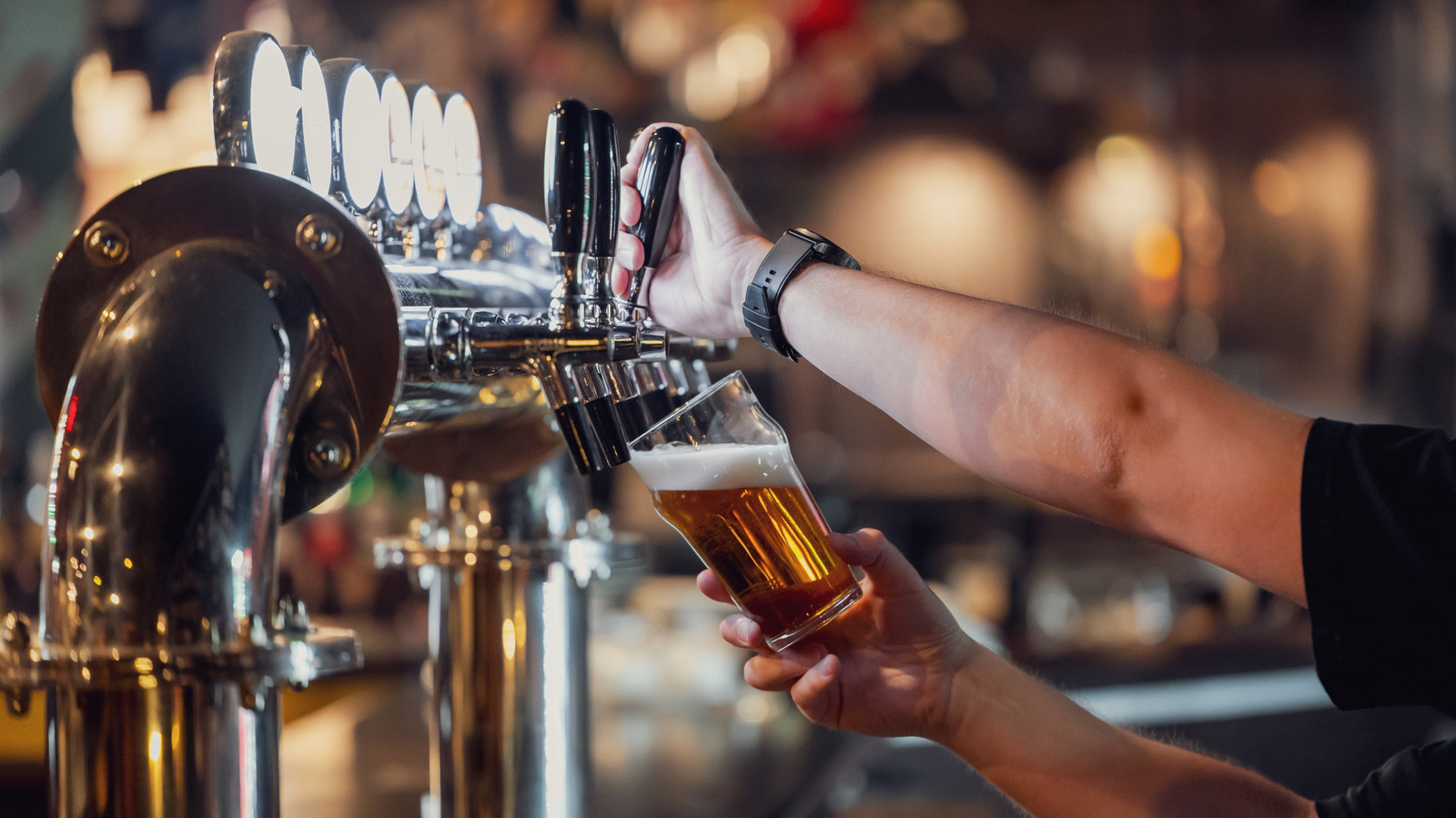
The contemporary craft beer market features hundreds of styles and a wide array of unconventional ingredients, including marshmallows and chocolate. Reinheitsgebot, the 1516 German Beer Purity Law, limited beer ingredients to water, hops, and malt; yeast was later recognized and added. Reinheitsgebot began in Bavaria for quality control and taxation, and it now serves as a cultural symbol demonstrating complex flavors achievable with just those ingredients. Penn Brewery in Pittsburgh opened in 1986, specializes in German styles, and operates in a brewery building used since 1848. Brewing strictly under Reinheitsgebot requires discipline but yields varied, impressive beers.
"Perusing the most popular beers at your typical brewery, you'll see such an array of ingredients and flavors that you may be surprised to learn there was ever a law limiting beer's recipe to strictly water, hops, and malt. Many of the best beers for those with a sweet tooth, for example, incorporate everything from marshmallows to chocolate bars. But such a beer law did in fact exist in Germany, where it's more common for breweries to still honor it."
"This law was called Reinheitsgebot, or the German Beer Purity Law of 1516. It began in Bavaria as the government sought to establish quality control for beer-making and a system for taxing it. The ruling declared beer's only allowed ingredients were water, hops, and malt people were still unaware of yeast's role in fermentation then; it was later added. In modern times, Reinheitsgebot has become"
Read at www.tastingtable.com
Unable to calculate read time
Collection
[
|
...
]