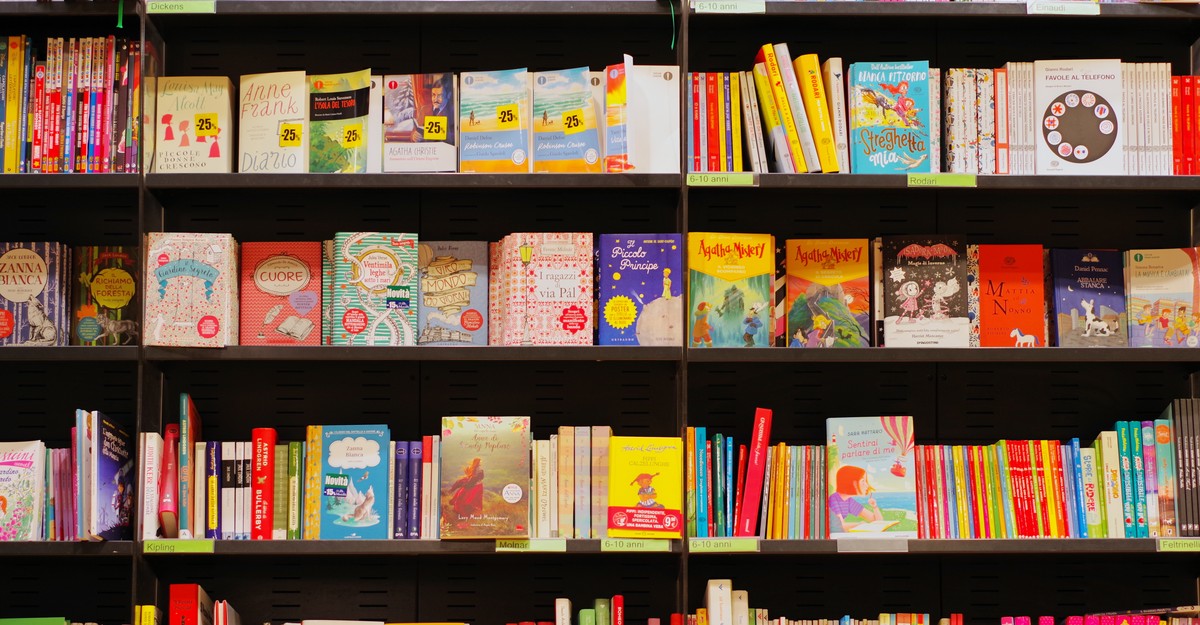
"Growing up has become associated with outgrowing certain pleasures: picture books, fairy tales, stories that speak openly about wonder and fear, villains and heroes. But adulthood does not actually require abandoning the things that first shaped how we experience the world."
"Children approach stories with a flexibility that many adults lose: They tolerate nonsense and accept strange rules, as long as the story can delight them. As adults, we often replace that openness with efficiency and skepticism, flattening delight into something more practical."
"Maybe rereading children's books is not really about returning to childhood. It is about recovering a way of moving through the world with a little more curiosity, a little less certainty, and a greater willingness to be surprised."
"Mac Barnett argues that "when we dismiss children's books, what we're really doing is failing to recognize the potential of children." Holmes extends the thought: "In dismissing children's books, adults fail to recognize the potential of people.""
Growing up is often treated as outgrowing pleasures like picture books, fairy tales, and stories that hold wonder and fear. Adulthood does not require abandoning the things that shaped early ways of experiencing the world. Moving across the country and donating adult classics while keeping children’s books shows these books can preserve a mode of engagement. Dismissing children’s books is framed as failing to recognize children’s potential and, more broadly, people’s potential. Children tolerate nonsense and accept strange rules if stories delight them. Adults often replace openness with efficiency and skepticism, flattening delight into something practical. Rereading children’s books can restore curiosity and surprise without returning to childhood.
Read at The Atlantic
Unable to calculate read time
Collection
[
|
...
]