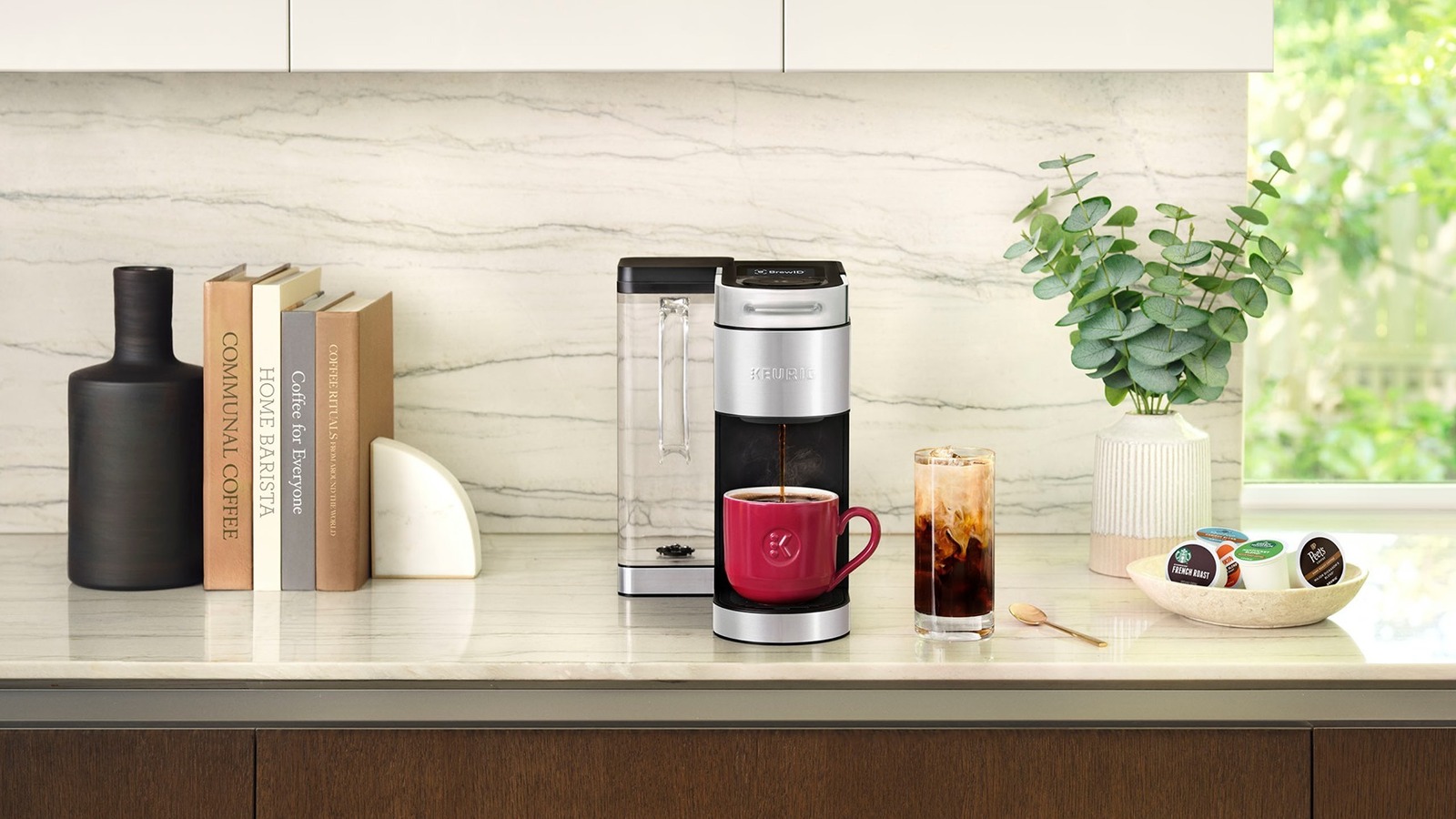
Coffee is mostly water, so water quality strongly affects brew flavor. Tap water can contain chlorine, sulfur, iron, and minerals such as calcium and magnesium, plus other chemicals added during treatment. Even when safe to drink, these components can change water taste and transfer off-flavors into coffee. Repeatedly using tap water can also leave trace sediments inside the Keurig, gradually clogging and gumming up internal parts. This buildup can reduce performance over time and may eventually stop the machine from working properly. Filtered water helps avoid these contaminants. Filter faucet attachments and filtered pitchers can remove impurities before brewing, improving both taste and machine longevity.
"Coffee is roughly 98% water - so the quality of your water makes a big difference in the flavor of your brew. Just like there are hacks to get the most out of coffee pods, there are hacks for getting the most out of a Keurig appliance, and one of the most common mistakes users make with a Keurig machine is putting tap water in it. It might seem like an innocuous swap, but over time, tap water can cause your machine to stop functioning at its best or stop working altogether. Plus, it yields coffee that often tastes pretty lousy."
"Before tap water reaches your home faucet, that water runs through underground pipes leading from lakes, rivers, and reservoirs - and along the course of its journey, it can pick up trace elements like chlorine, sulfur, iron, and minerals like calcium and magnesium. And that's before considering the chemicals that are added to tap water deliberately. Although safe to ingest, some of these elements can impact the taste of your water, and by extension, of the coffee you use it to brew."
"Beyond producing off-tasting coffee, continually pouring tap water into a Keurig transfers those trace sediments into the appliance, gradually gumming up the works and shortening the machine's lifespan. To steer clear of flavor-affecting contaminants, opt for filtered water. Happily, it's quick and cost-effective to produce at home by enlisting the help of a filter faucet attachment, like this one by PUR brand. If you have a Brita pitcher, the filtered water it produces is also ideal for pouring into your Keurig."
"Whether your tap water comes from a reservoir, well, or an aquifer, these filter attachments can remove contaminants retroactively. If your tap water tastes weird, then your coffee is going to taste weird, too. Especially if you've shelled out extra coin for an artisanal bag of beans from a small-batch roaster, it c"
Read at Tasting Table
Unable to calculate read time
Collection
[
|
...
]