Environment
fromwww.scientificamerican.com
2 hours agoWhatever happened to the ozone hole, acid rain and DDT?
The ozone layer is recovering due to the Montreal Protocol, despite ongoing threats from other chemicals.
The transformation of Pacheco Marsh from a scarred dumping ground into a pristine wetland represents a significant achievement in environmental restoration, showcasing the potential for nature to reclaim industrial sites.
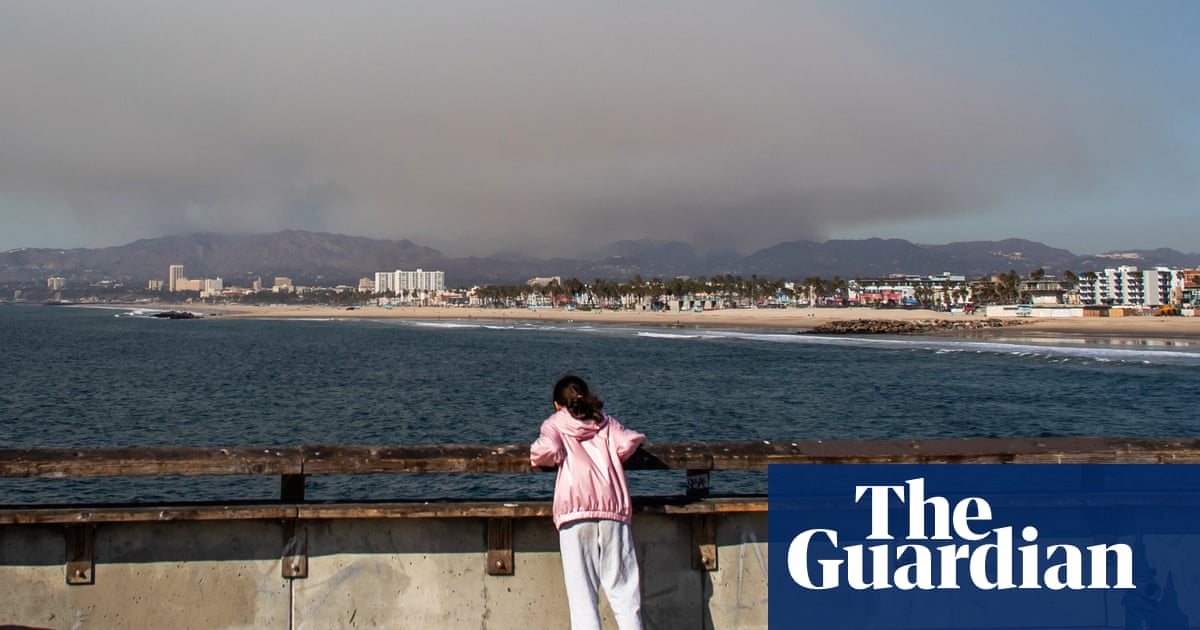
Researchers have known since at least 2008 that wildfires can create chromium-6, but a new study, published in the journal Environmental Science and Technology in November, is the first to report details such as how long it might persist in groundwater.
Most water filter pitchers are made of BPA-free plastic. But as new research shows that bottled-water drinkers ingest tens of thousands of excess microplastic particles, wellness lovers have begun to look askance at water filters that are themselves made of plastic.
Along coastlines, where tides are typically magnified, they profoundly affect navigation, commerce, coastal flooding, water properties and sediment transport. Tides impact the flooding of rivers and, thus, influence the extent of their floodplain, which has cascading effects on biogeochemical and ecological processes.
Over time, the water evaporated to form the smaller, brinier Owens Lake. Indigenous Paiute people call the Owens Valley Payahuunadü, 'the land of the flowing water'. Today, Owens Lake is a 'Dusty Vestige of the Old West', as NASA described a photograph of the lake taken from space.
They're special on a world stage, 85% of chalk streams are in England. They're wonderful habitats, they're great for people as well, people really enjoy them, whether it's areas like this where you can find kingfishers and grey wagtails and it's just a unique resource that we really should steward properly.
The question of how to protect fish and the ecological health of rivers that feed California's largest estuary is generating heated debate in a series of hearings in Sacramento, as state officials try to gain support for a plan that has been years in the making. "I am passionate that this is the pathway to recover fish," said state Natural Resources Secretary Wade Crowfoot. "This is the paradigm we need: collaborative, adaptive management versus conflict and litigation."
Many human activities - from improper disposal of waste to the degradation of car tyres - release small plastic particles, which have infiltrated the atmosphere, oceans and other ecosystems. These include nanoplastics - particles measuring less than 1 micrometre across - and microplastics, which range from 1 micrometre to around 5 millimetres. They've entered our bodies and brains, and scientists are still working to understand their effects on people's health.