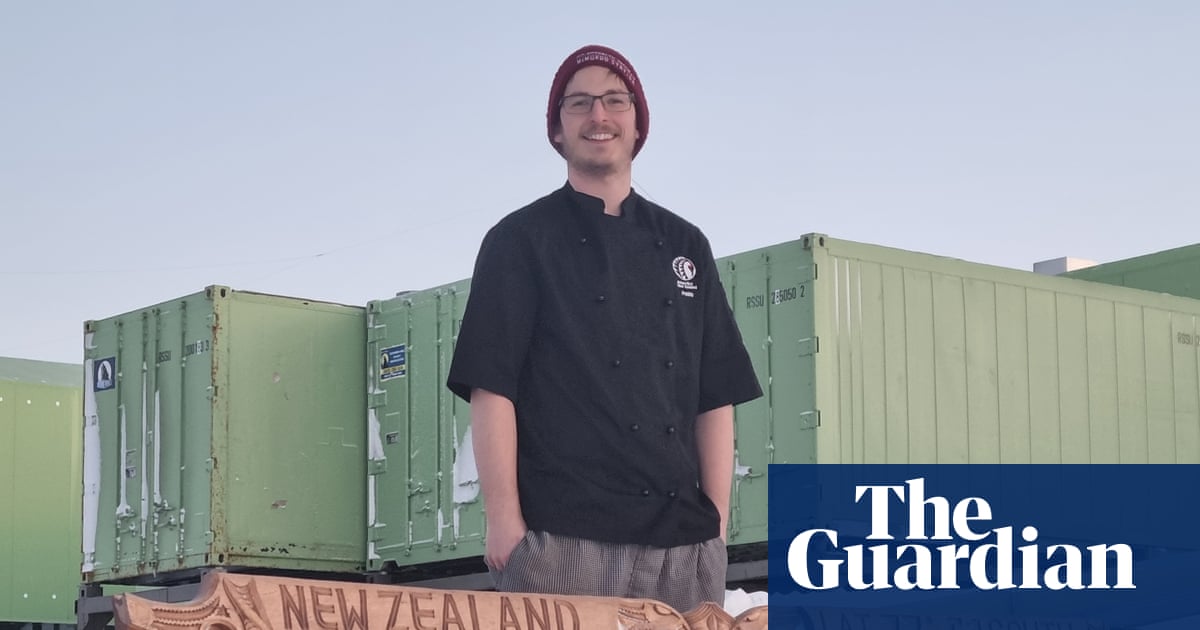
"Throughout his career, Al Chapman has spent several months cooking on ice that is, in Antarctica. During the summer of 2021-22, the chef was one of three kitchen crew stationed at Scott Base, New Zealand's only Antarctic research station. The dining hall was the hub of social activity, serving breakfast, morning tea, lunch and dinner for up to 85 people at its peak. It's like working in a restaurant, says Chapman one where you can sometimes see penguins from the kitchen."
"Speaking of penguins: Chapman is adamant they aren't eaten, unlike in the early days of Antarctic exploration. Not just because they're protected under the Antarctic treaty, or that starvation is no longer a serious concern; Chapman says it's important to serve food people like, especially when they're working in such an isolated part of the world, in extreme conditions. If someone's had a rough day, a warm meal can really lift spirits."
"So in Antarctica, what's on the menu? Chapman would serve fresh bread and croissants for breakfast, then curry or chicken Marbella (chicken with prunes, olives and capers) and collard greens for dinner. He's an enthusiastic baker too, turning out trays of brownies and bakewell tarts. He would sometimes run baking classes for station staff too. Cheese rolls, or southern sushi, the rolled-up-grilled-cheese-sandwiches hailing from southern New Zealand, were always a hit."
Al Chapman served as one of three kitchen staff at Scott Base during the 2021–22 Antarctic summer, cooking for up to 85 people. The dining hall functioned as a central social hub with multiple daily meals. Chapman prioritized familiar, comforting dishes to boost morale in isolated, extreme conditions and affirmed that penguins are not eaten. Typical offerings included fresh bread, croissants, curry, chicken Marbella, collard greens, brownies and bakewell tarts, plus baking classes for station staff. Cheese rolls from southern New Zealand proved especially popular. Paddy Rietveld completed multiple Antarctic seasons and sometimes served as sole chef for small crews.
Read at www.theguardian.com
Unable to calculate read time
Collection
[
|
...
]