"A fortified wine aromatized with botanicals, European regulations require that vermouth be flavored with artemisia (wormwood); U.S. law is less stringent, defining vermouth as 'having the taste, aroma, and characteristics generally attributed to vermouth.' So, if you want to imbue your sauce with the bitter, herbal notes that vermouth is known for, it's worth getting a bottle of the authentic European variety."
"Generally, a good rule for cooking with vermouth is that dry white versions lend themselves well to more savory recipes, while red vermouths tend to be best in sweeter preparations. Also, as vermouth isn't particularly strong, it's unlikely to be overpowering - it could balance decadent and savory flavors."
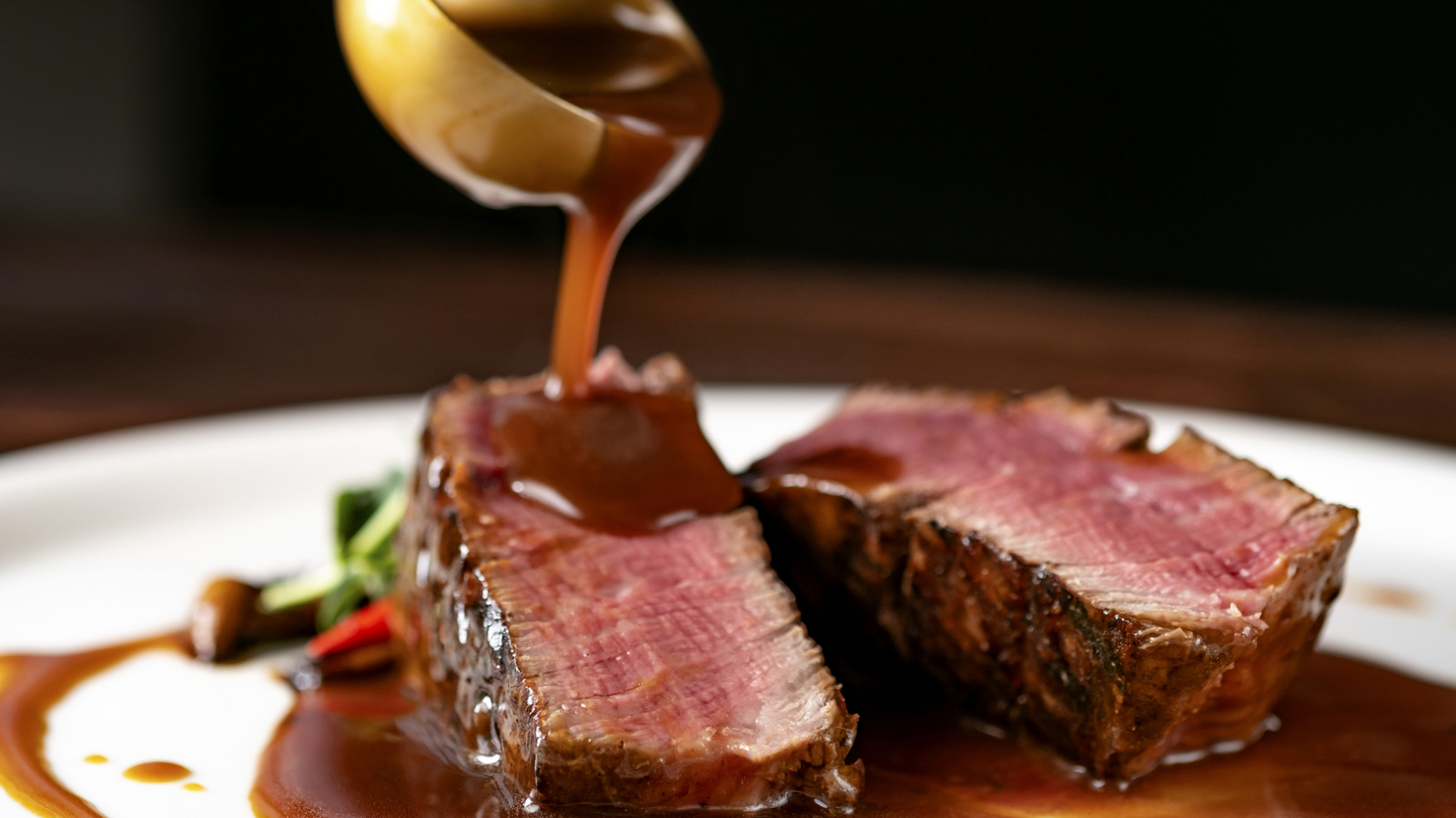
"To make a rich sauce that'll level-up your next steak, set aside your filet after frying and remove most of the remaining fat in the pan. Over low heat, add butter and finely chopped garlic, taking care not to burn either. Once the garlic has become fragrant, add a splash of dry white vermouth, deglazing the pan and mixing in all that delicious fond."
Vermouth, a fortified wine aromatized with botanicals, serves as an underutilized culinary ingredient beyond martinis. European regulations require vermouth to contain artemisia (wormwood), providing distinctive bitter and herbal notes ideal for cooking. Dry white vermouth works best in savory recipes while red vermouth suits sweeter preparations. Its moderate strength prevents overpowering dishes, making it excellent for balancing rich flavors. To create a steak sauce, deglaze a pan with dry white vermouth after cooking, combine with butter and garlic, then add Worcestershire sauce for umami depth. Vermouth can also enhance classic retro steak preparations.
Read at Tasting Table
Unable to calculate read time
Collection
[
|
...
]