Cooking
fromTasting Table
1 hour agoFinish Your Steak Like This Every Time For A Flavorful Crust And Buttery Bite - Tasting Table
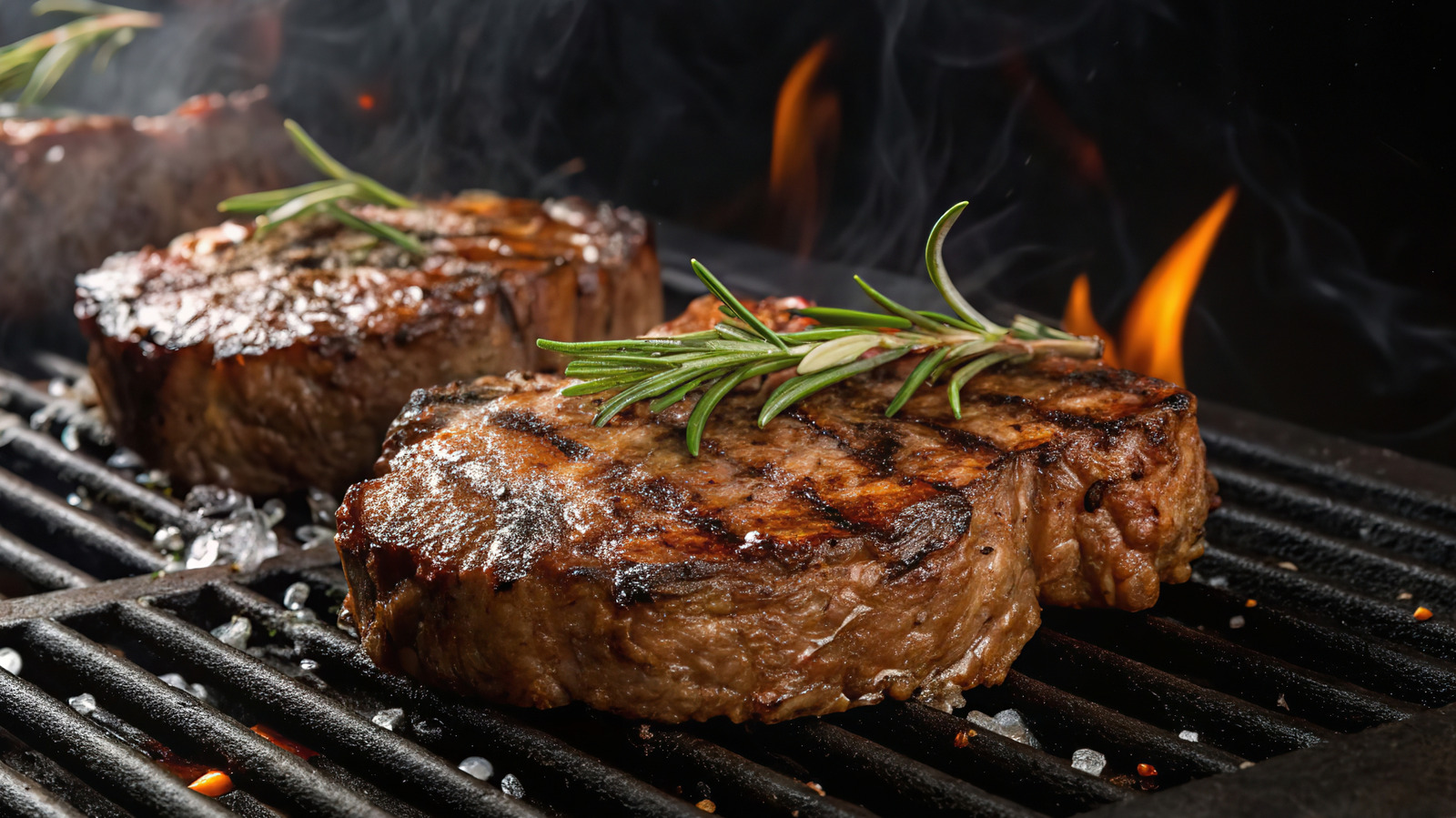
Finishing steak with real butter enhances flavor and texture, creating a delicious crust and juicy interior.
Of the five mother sauces, velouté is extremely under-appreciated and not talked about enough. It's what we as Americans call gravy, which we know has so many various uses. Velouté, which means velvety in French, is made with a light roux (or a mixture of flour and fat, like butter), stock or broth, and some seasoning like salt and pepper, and a bay leaf.
Flay's freshly baked, buttery, and sweet biscuits serve as a streusel or crumble for milkshakes, as he tells the Cooking Channel. This trick works especially well for strawberry milkshakes because the resulting texture and taste will remind you of delicious strawberry shortcake.
Finely ground coffee can add depth and a subtle roasted bitterness that enhances caramelization. Freshly ground beans taste best in this situation since they have all of their aroma and flavor still intact. Once you expose those grounds to air or once all the good stuff is extracted during brewing, those spent grounds are a lot duller and lack the same depth.
When someone first told me to "sweat" my eggplant, I looked at them like they had three heads. But their tip was a culinary game-changer, as I had thought for years that restaurants must have an exclusive secret way of preparing eggplant that I could just never master. And as it turns out, they did ... but it wasn't a secret.
Before refrigeration, fat was fickle. It spoiled quickly, turned rancid, and needed a buffer against time. Salt was a cheap, bountiful preservative, and so salted butter was the default. If you were a farmer storing the summer's bounty of creamy grass-fed butter, a merchant shipping barrels, or just a household trying to stretch food through lean seasons, salt was non-negotiable because it turned perishable fat into something that could be kept.
Tendrils of steam curl out of the bread basket, spreading a warm, yeasty scent as my server unfurls the linen cover to reveal a plump kind of sourdough with a golden-brown crust.
Hugh finds circles satisfying in design, an opinion I initially questioned until I experienced the visual pleasure of an ice-cream sandwich's rounded shapes.
Wet aging involves vacuum-sealing meat, which keeps it moist and tender by breaking down connective tissues. This results in a juicy final product, making it efficient for restaurant operations.
On the Portuguese island of Madeira, espetadas are made by threading chunks of beef onto fresh-cut branches of bay and cooking the skewers over the embers of a fire, infusing the meat with unique menthol notes.