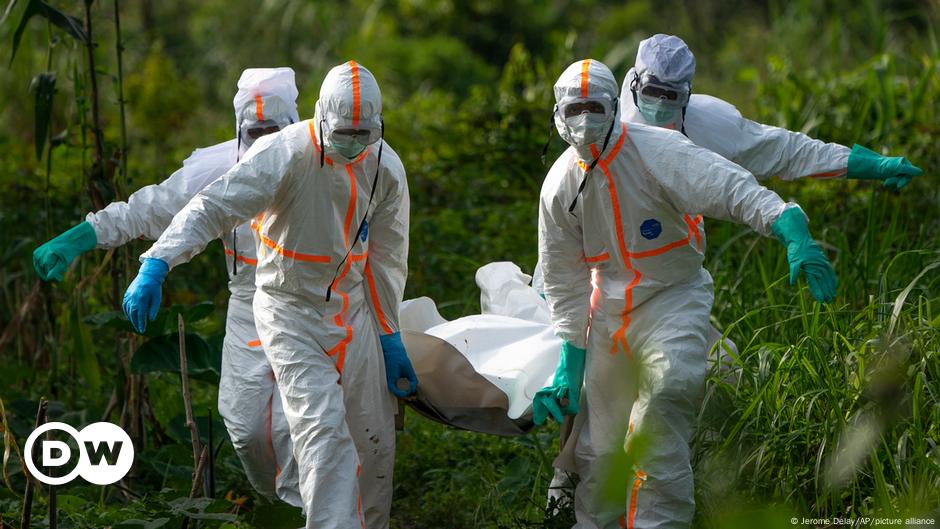
"The World Health Organization declared a public health emergency of international concern on May 17, 2026, following reports of an outbreak of Ebola, caused by the Bundibugyo virus, in the Democratic Republic of the Congo and Uganda. But the WHO said the outbreak did "not meet the criteria of pandemic emergency.""
"Ebola damages blood vessels and causes severe internal bleeding. It spreads from other animals to humans and among humans through close contact with blood, organs, secretions and other bodily fluids. Some forms of Ebola can be prevented with vaccines and treated with medicines."
"First discovered in 1976, the largest known outbreak between 2014 and 2016 spread through Central Africa, killing 10,000 people. Ebola remains an ongoing challenge for people and authorities in affected regions. Vaccine development could help lessen the burden."
"Between 2014 and 2016, Ebola spread from the Democratic Republic of the Congo (DRC) in Central Africa to Liberia, Guinea and Sierra Leone in the west of the continent. There were more than 28,600 infections and 10,000 deaths. From 2018 to 2020, Ebola spread again from the DRC to Uganda."
WHO declared a public health emergency of international concern on May 17, 2026 after reports of an Ebola outbreak caused by the Bundibugyo virus in the Democratic Republic of the Congo and Uganda. The outbreak was described as not meeting the criteria of a pandemic emergency. Ebola damages blood vessels and can cause severe internal bleeding. Transmission occurs from other animals to humans and among humans through close contact with blood, organs, secretions, and other bodily fluids. Some forms of Ebola can be prevented with vaccines and treated with medicines. The largest known outbreak occurred between 2014 and 2016, with more than 28,600 infections and about 10,000 deaths across multiple countries in Central and West Africa.
Read at www.dw.com
Unable to calculate read time
Collection
[
|
...
]