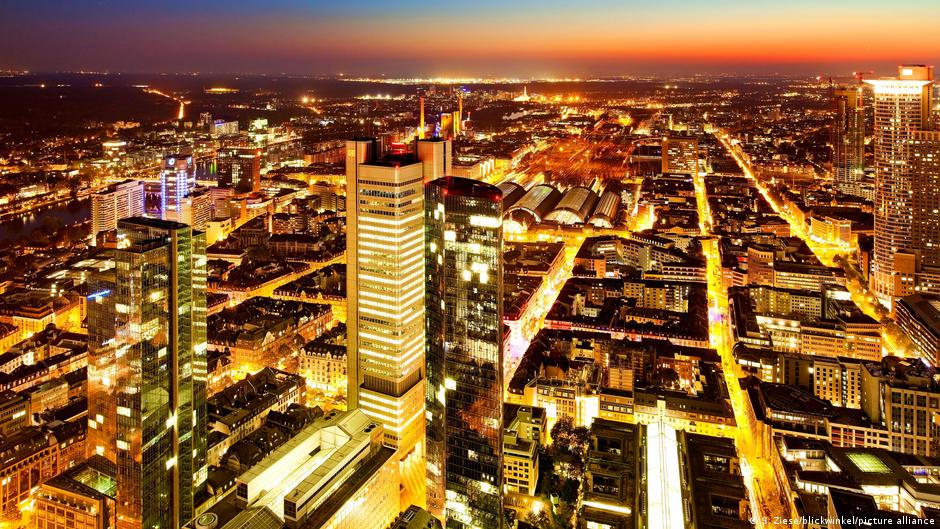
Artificial light at night is increasing worldwide, with emissions rising about 16% globally from 2014 to 2022 and average intensity increasing by about 9% in areas that brightened. Streetlights, headlights, illuminated monuments, billboards, construction lighting, storefronts, transit stops, parking lots, and sports venues can’t easily be controlled by individuals. Excess exposure can disrupt the natural sleep-wake cycle, destabilize hormonal balance, and increase risks of metabolic disorders such as diabetes, depression, and obesity. Colder, whiter light suppresses melatonin more strongly. Natural light patterns have remained stable for millennia, and many species rely on them for survival. Brighter nights can harm nocturnal species, attract insects, and interfere with migratory bird navigation.
"We can switch off light sources such as computers, phones, TVs and lamps ourselves. But other sources are beyond our control: streetlights, headlights on cars, illuminated monuments, flashing billboards, and spotlights on construction sites, storefronts, bus stops, parking lots, sports fields and stadiums, to name just a few."
#light-pollution #human-health #sleep-and-melatonin #ecology-and-wildlife #global-night-time-brightness
Read at www.dw.com
Unable to calculate read time
Collection
[
|
...
]