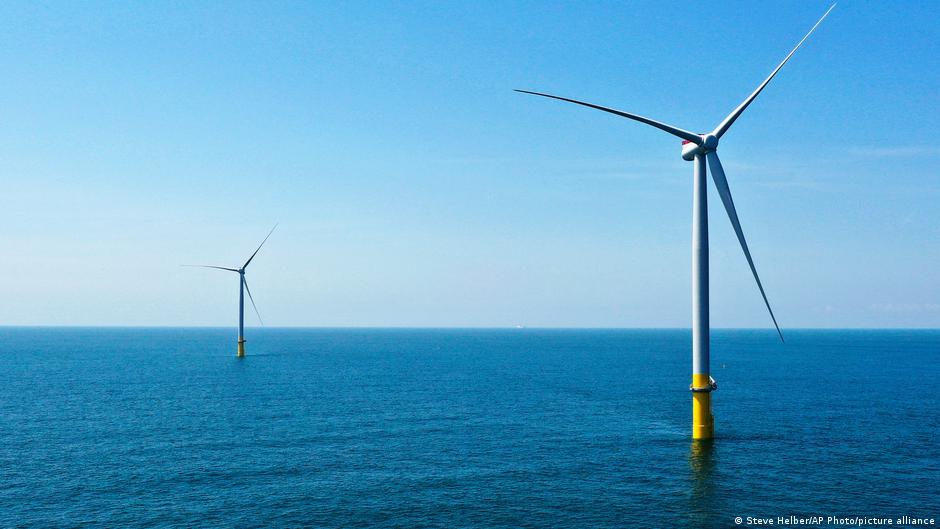
The US president has expressed strong opposition to wind power and has linked it to claims about cancer and whale deaths. Federal actions have included pulling permits, issuing stop-work orders for offshore wind projects, freezing leasing for new wind projects, and redirecting development toward oil and gas. These measures have occurred alongside rising electricity demand driven partly by AI data centers and worsening planetary heating. Clean energy advocates argue that blocking wind removes a key option for lowering electricity costs and meeting climate needs, especially as fuel prices remain high. Despite the obstacles, offshore wind capacity is expected to increase substantially by 2027 compared with the start of the current term.
"On the first day of his second term, he issued an executive memorandum freezing leasing on new wind projects dubbed "the wind ban" by campaigners. He then went on to issue stop-work orders on all five endorsed offshore initiatives under construction, citing classified national security concerns, and to pull permits from other approved projects. The intervention has not stopped there."
"At a time when fuel prices are high, electricity demand is rising thanks in part to power-hungry AI data centers, and planetary heating is worsening, clean energy advocates say removing wind from that story will have consequences for consumers. "With the real focus on data centers and the price of electricity and the price of oil and the price of fuel," says Ted Kelly, director of clean energy at the nonprofit Environmental Defense Fund (EDF), "it would be even more ridiculous to continue to block clean energy projects and drive electric prices even higher.""
"Nonetheless, Trump will likely oversee the biggest expansion in wind in the nation's history. By 2027, the country is expected to have nearly 35 times the offshore wind capacity it had when he took office. "It's a tale of two cities," Jeremy Firestone, a professor emeritus at the University of Delaware's School of Marine Science and Policy, told DW."
Read at www.dw.com
Unable to calculate read time
Collection
[
|
...
]