#electricity-demand
#electricity-demand
[ follow ]
#data-centers #renewable-energy #clean-energy #artificial-intelligence #ai-infrastructure #ai-data-centers

Business
from24/7 Wall St.
1 week agoBoring Beats Brilliant: How a Utilities ETF Has Quietly Trounced the S&P 500 in Every Recession This Century
Rising AI-driven electricity demand is boosting utility stocks, but utilities face higher risks and capital needs that may reduce their traditional defensive appeal.




Venture
fromFortune
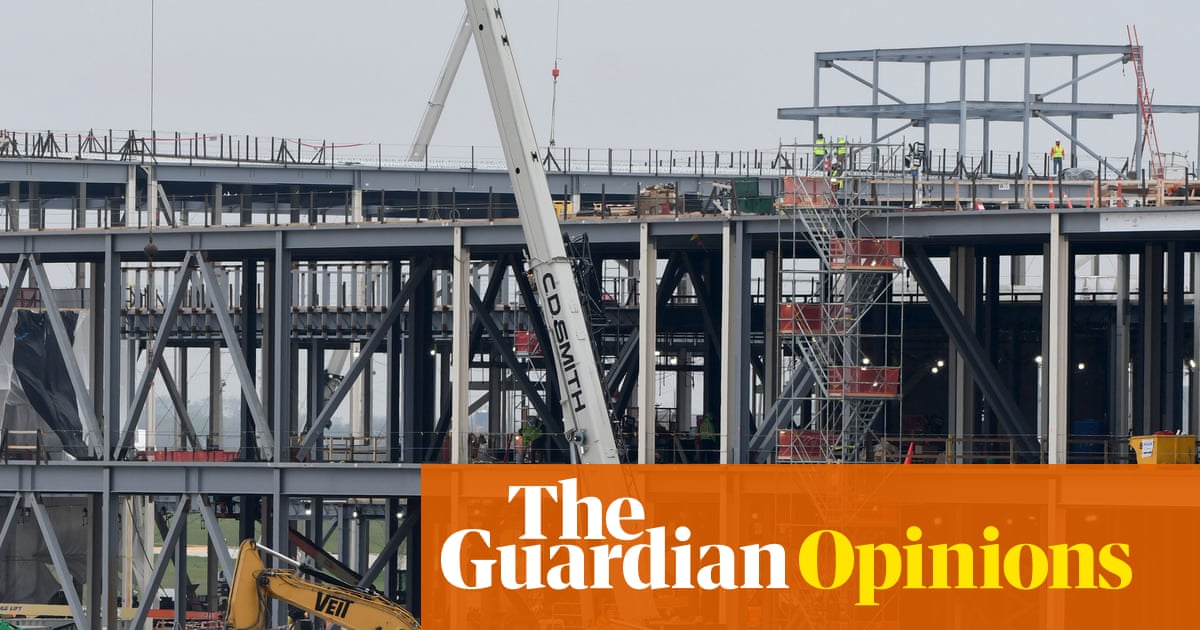
1 week agoNextEra's $67 billion Dominion takeover creates world's largest utility-just in time to win the AI data center power surge | Fortune
NextEra’s $67 billion acquisition of Dominion aims to create a utility-scale platform to meet rapidly growing electricity demand from AI data centers and electrification.
Venture
fromFortune
2 weeks agoThe global economy is experiencing the largest capex cycle ever, with nearly $5 trillion seen by the end of the decade-and it's not all AI spending | Fortune
Energy transition spending is driving a multi-trillion global capital cycle alongside AI investment, fueled by energy security, electricity demand growth, and decarbonization efforts.

#ai-data-centers
Business
from24/7 Wall St.
3 weeks agoHow AI Data Centers Are Reshaping the Power Market (And the 4 Plays Investors Are Making)
Electricity bills are rising due to increased demand from AI data centers, impacting utilities and households alike.


fromHarvard Business Review
6 months agoArtificial intelligence
How Data Centers Can Support Energy Resiliency While Managing AI Demand - SPONSOR CONTENT FROM SCHNEIDER ELECTRIC
AI-driven data center growth is rapidly increasing electricity demand, straining grids and requiring major investments, renewable capacity, and new utility models.
fromFortune
6 months agoEnvironment
Some consumers are paying to power data centers that don't exist yet while states ask if demand forecasts are real - 'Nobody really knows' | Fortune
Utilities forecast electricity demand doubling or tripling from AI data centers soon, raising concern that speculative projects could leave ratepayers liable for billions.



from24/7 Wall St.
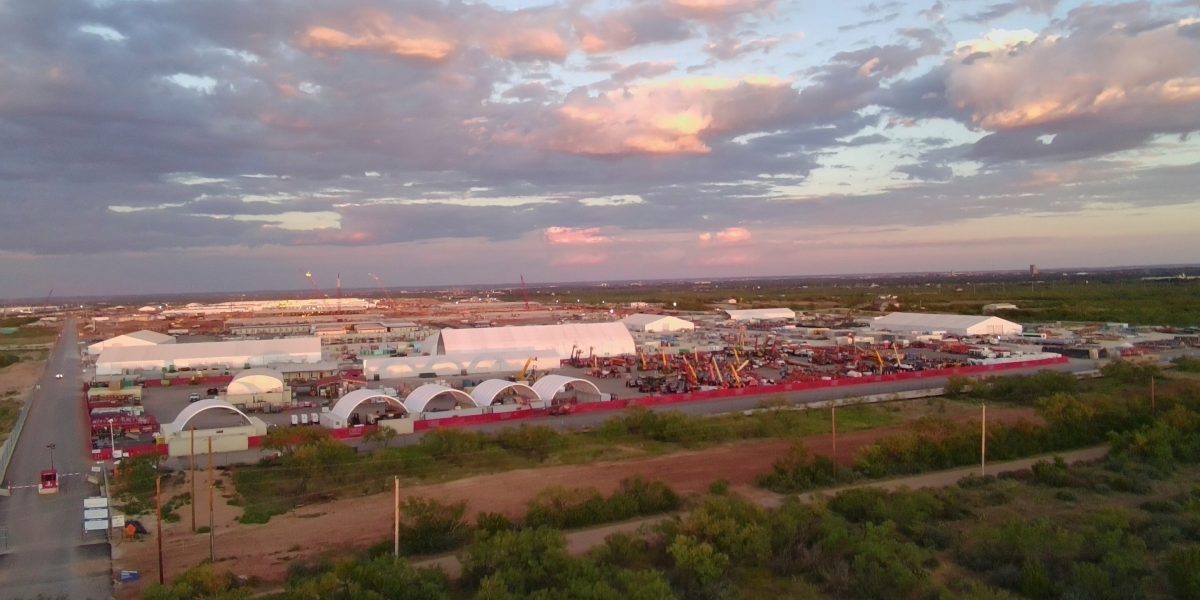
2 months ago3 Utility ETFs With Massive Upside as Demand Keeps Soaring
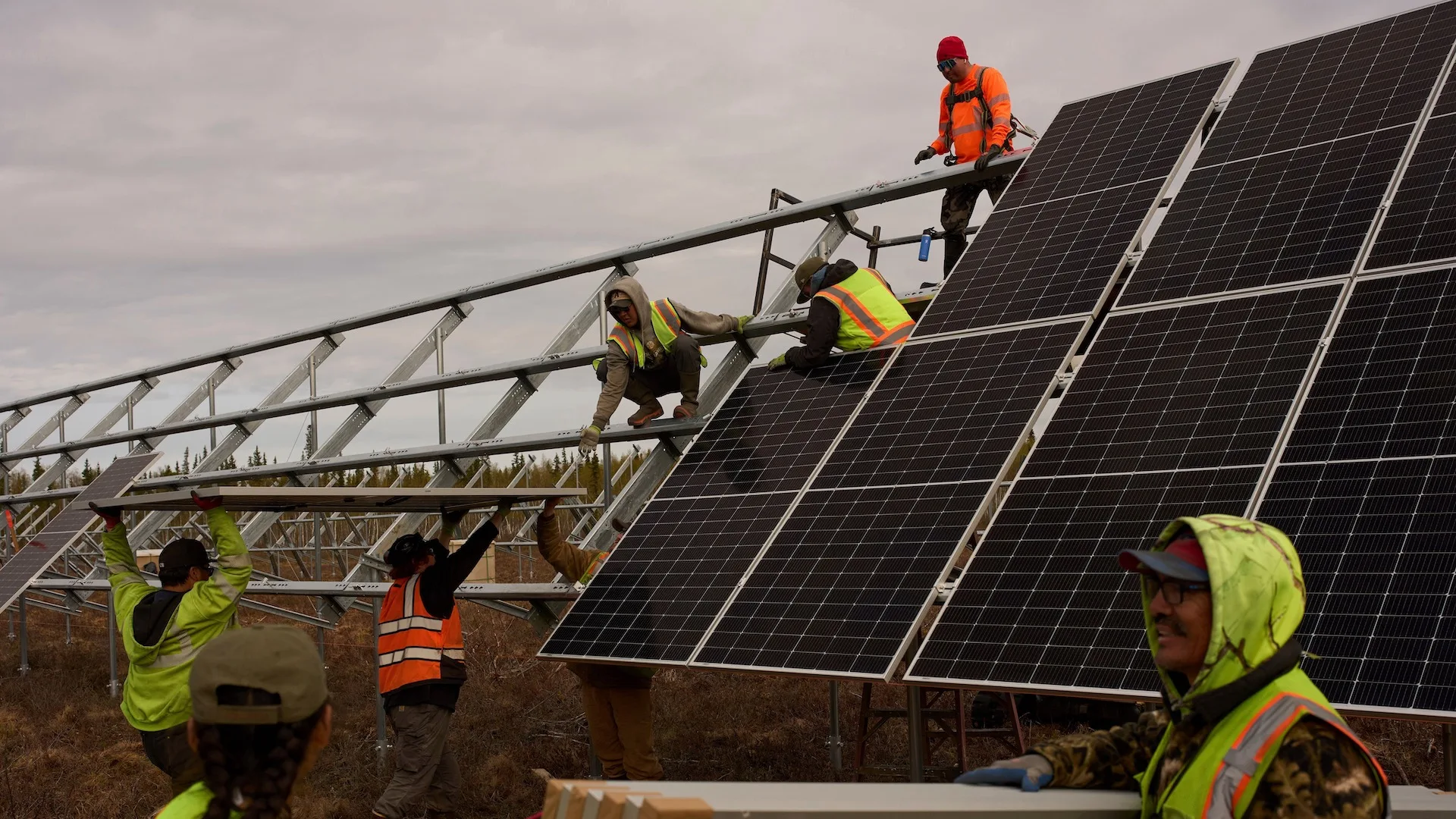
Data center electricity consumption is on pace to exceed 1,000 terawatt-hours by 2030, up from just 460 TWh in 2024, and it will comprise 10% of the U.S.' power consumption. Utilities ETFs like Virtus Reaves Utilities ETF (NYSEARCA:UTES), First Trust NASDAQ Clean Edge Smart Grid Infrastructure Index Fund (NASDAQ:GRID), and First Trust Utilities AlphaDEX Fund (NYSEARCA:FXU) are well positioned to benefit, not just from electricity demand, but all the downstream effects from an ongoing rapid buildout of infrastructure to support them.
Miscellaneous


fromFast Company
3 months agoHow to meet the surging energy demand without needing as much new electricity
When Specian dug into the data, he discovered that implementing energy-efficiency measures and shifting electricity usage to lower-demand times are two of the fastest and cheapest ways of meeting growing thirst for electricity. These moves could help meet much, if not all, of the nation's projected load growth. Moreover, they would cost only half-or less-what building out new infrastructure would, while avoiding the emissions those operations would bring.
Environment




US politics
fromTelecompetitor
3 months agoData center analysts suggest need for regulation to control hyperscaler costs
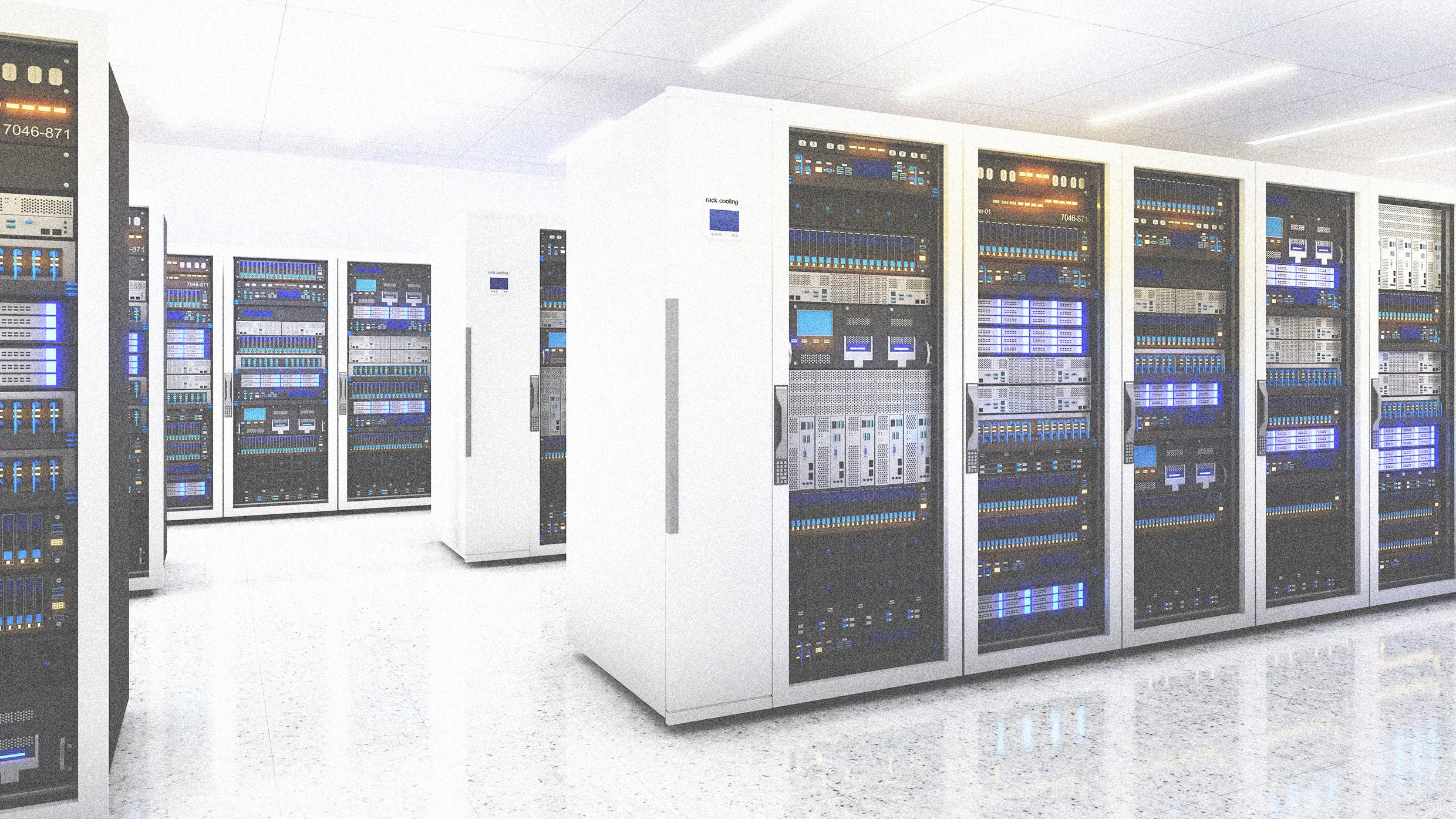
Hyperscale data centers' heavy power, land, water, and network demands are raising electricity and broadband costs, prompting calls for regulated contributions and funding solutions.
fromFast Company
4 months agoA critical climate trend just reversed-driven by crypto and data centers
After two years of declines, United States greenhouse gas emissions increased in 2025-a change driven by increased electricity use, due in part to data centers and cryptocurrency mining, as well as cold winter temperatures that meant homes required more heating. Emissions increased 2.4% in 2025, according to preliminary data from the research firm Rhodium Group. That's higher than the country's GDP growth, which increased by a projected 1.9%.
Environment

fromBusiness Matters
8 months agoAI data centres to swallow 10% of global power surge - with US demand soaring to 40% by 2035, warns BP
Artificial intelligence data centres are set to devour a massive share of the world's electricity growth over the next decade, according to BP's latest World Energy Outlook. The oil giant estimates that data facilities powering AI applications will account for 10% of global electricity demand growth by 2035. In the United States, the world's most advanced AI hub, that figure could skyrocket to 40%, raising urgent questions about the strain on energy systems.
Environment
Environment
fromThe Verge
8 months agoTech companies 'be on alert,' NAACP says with new guiding principles for data centers
NAACP urges communities to demand accountability for energy-hungry data centers, warning of resistance and legal action over fossil-fuel-driven electricity harming air, water, and homes.
fromThe Mercury News
9 months agoAs AI power needs surge, a Bay Area data center bets on hydrogen as a sustainable alternative
"We can scale this technology to very large scale," Yuval Bachar, ECL founder and CEO, said. "We do multiple gigawatts of this technology based on hydrogen with zero emission."
Tech industry
[ Load more ]