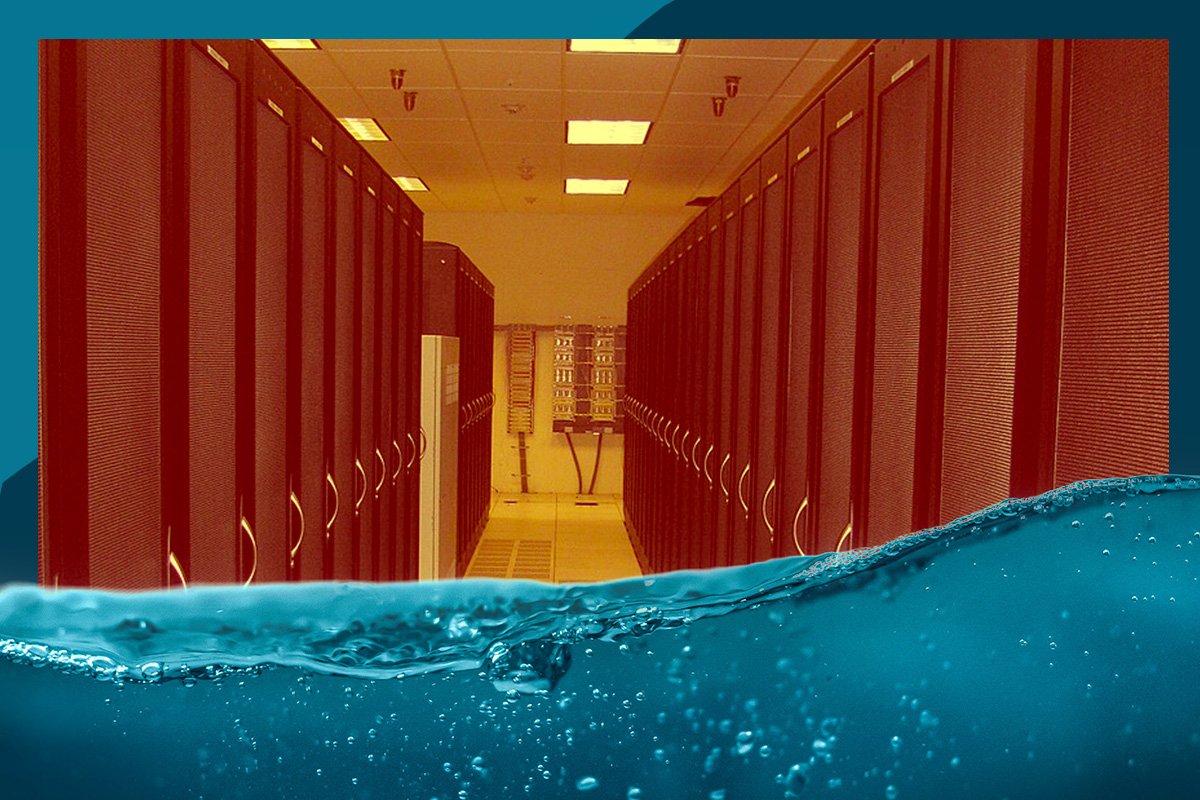
"Although data centers have been around for decades, built originally to support general computational tasks such as hosting websites, database management, and cloud services, generative AI requires even more massive, resource-intensive infrastructure that Big Tech is rushing to build. These hyperscale centers, used for modeling, training, and running AI, often require almost double the power of traditional data centers and pull more resources than are available."
"In October 2025, Food & Water Watch, a national environmental organization, called for a national moratorium on "the approval and construction of new large-scale data centers," until enough information about their effects has been collected, analyzed, and disseminated. It was driven in part by the Trump Administration's AI Action Plan and by big tech companies' lack of transparency about data centers' true energy and water consumption."
"Big Tech executives claim that these hyperscale data centers are the future of America. But advocates against the centers, like AI ethicist Masheika Allgood-founder of AllAI (pronounced "ally")-believe the current race to build data centers is driven solely by monetary gain."
AI data centers represent a significant expansion beyond traditional computational infrastructure, requiring hyperscale facilities that demand substantially more energy and water resources. The Trump Administration's AI Action Plan and Big Tech's rapid expansion have prompted environmental organizations like Food & Water Watch to call for a national moratorium on new large-scale data center approvals and construction. This pause aims to allow comprehensive collection and analysis of environmental effects before further development. Big Tech executives promote these hyperscale centers as essential to America's future, while critics like AI ethicist Masheika Allgood argue the expansion is driven primarily by profit motives rather than genuine necessity. Data centers traditionally use air-conditioning systems with hot and cold aisles to manage heat generated by interconnected server racks.
#ai-infrastructure #environmental-impact #data-center-expansion #resource-consumption #digital-colonialism
Read at Nonprofit Quarterly | Civic News. Empowering Nonprofits. Advancing Justice.
Unable to calculate read time
Collection
[
|
...
]