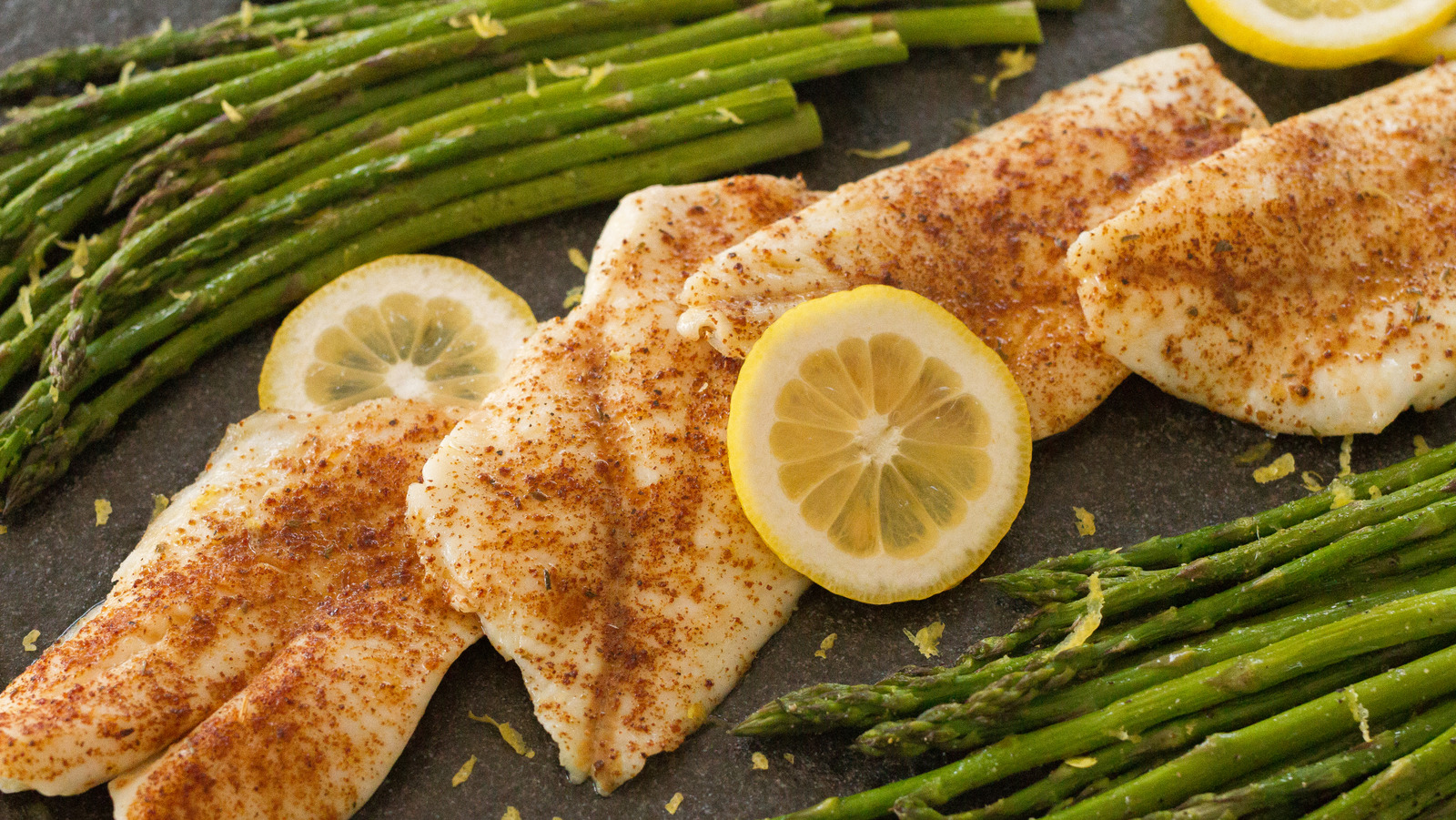
"Orange roughy is a giant, deep water fish that can live to be 130 years and doesn't reach maturity till 30 years of age. Since they take so long to reach maturity, and thus be suitable for consumption, you might think that orange roughy is an expensive and rare commodity. However, we spoke to Wesley Rose, director of perishables for Whole Foods Market, to dispel such a myth."
""Orange roughy is actually one of our best value species," Rose explains. "The misconception comes from the fish being a slow growth fish, and that can limit the amount harvested in any given year." Some might cite ethical qualms about such a long-lived fish being so cheap, opting to avoid it altogether. But fisheries in New Zealand and other parts of the world have found sustainable fishing methods that don't deplete orange rough populations."
"So, the key is to look for orange roughy that is certified sustainable. "All the orange roughy at Whole Foods Market is MSC certified," says Rose, "and this certification means it's sourced from fisheries that support long-term sustainability." Whether you're shopping at Whole Foods or not, be sure to look for a blue tick on your orange roughy packaging or label as it represents MSC-certified sustainable fish."
Orange roughy is a giant, deep-water fish that can live to 130 years and does not reach maturity until about 30 years of age. The species' slow growth and late maturity limit annual harvests but do not necessarily make it expensive. Orange roughy can retail for as little as $8 per pound on sale and is considered good value. Some fisheries, including those in New Zealand, employ sustainable fishing methods that avoid population depletion. Look for MSC certification and a blue tick on packaging to ensure sustainable sourcing. Select fillets that are bright, moist, and firm; avoid dull, dry pieces. Tilapia and catfish are suggested cheaper substitutes with similar flaky, meaty texture.
Read at Tasting Table
Unable to calculate read time
Collection
[
|
...
]