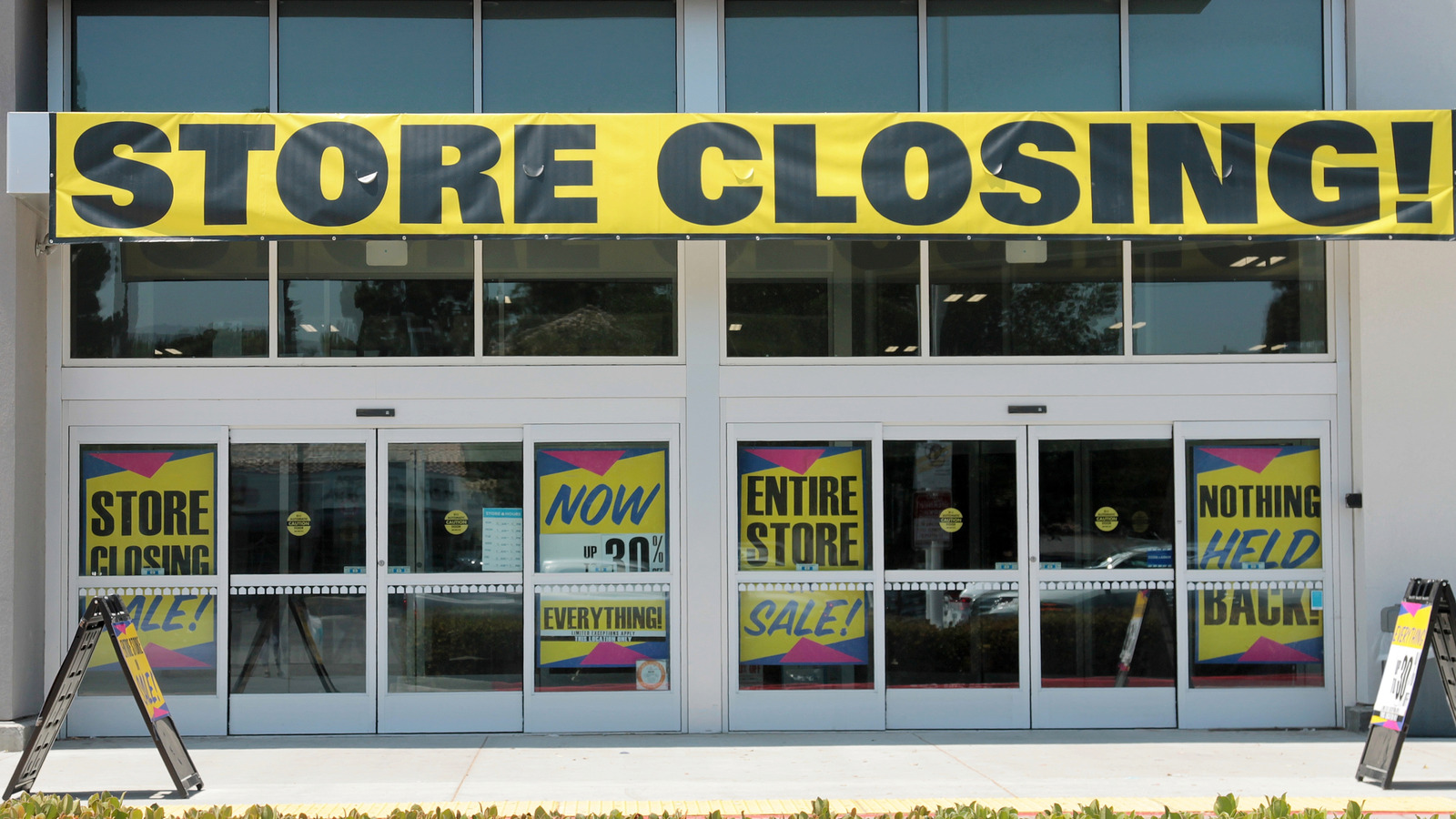
2025 saw closures of local and regional grocery chains, including Shaw's locations in New England and Piggly Wiggly stores across the South and Midwest. Grocery businesses operate on razor-thin margins of roughly 1–3%, making them highly sensitive to small cost increases or sales declines. Inflation rising above 3%, a flatlining job market, and tariff-driven price hikes projected through mid‑2026 reduce consumer spending. Online grocery adoption is accelerating — over 60% of families with children shopped online and online grocery sales grew 15.7% between 2022 and 2024 while physical-store sales grew only 1%. Competition from large chains further pressures grocers.
"From the closure of a beloved local grocery chain in Boston to the loss of Shaw's locations in New England and Piggly Wiggly stores across the South and Midwest, 2025 was a bruising year for America's grocery stores. At the heart of the crisis is a combination of factors that have come to a head: A fragile model that's long operated on wafer-thin margins, now under pressure from inflation, rising costs, and a shift in consumer behavior."
"According to a 2023 DoorDash report, grocery chains operate on just a 1-3% margin. For context, liquor stores operate on margins of 15-20%, while most small businesses operate at margins of 7-10%. What this means is that any small increase in costs or slight drop in sales can cause seismic shifts to a grocery business balance sheet. Not only are American consumers spending less in 2025, they aren't expected to start spending any time soon with inflation rising above 3%, the job market flatlining, and tariff-related price hikes in the offing through mid-2026."
Read at Tasting Table
Unable to calculate read time
Collection
[
|
...
]