#inflation
#inflation
[ follow ]
#federal-reserve #energy-prices #interest-rates #retirement-planning #social-security #healthcare-costs
#federal-reserve



US politics
fromwww.mediaite.com
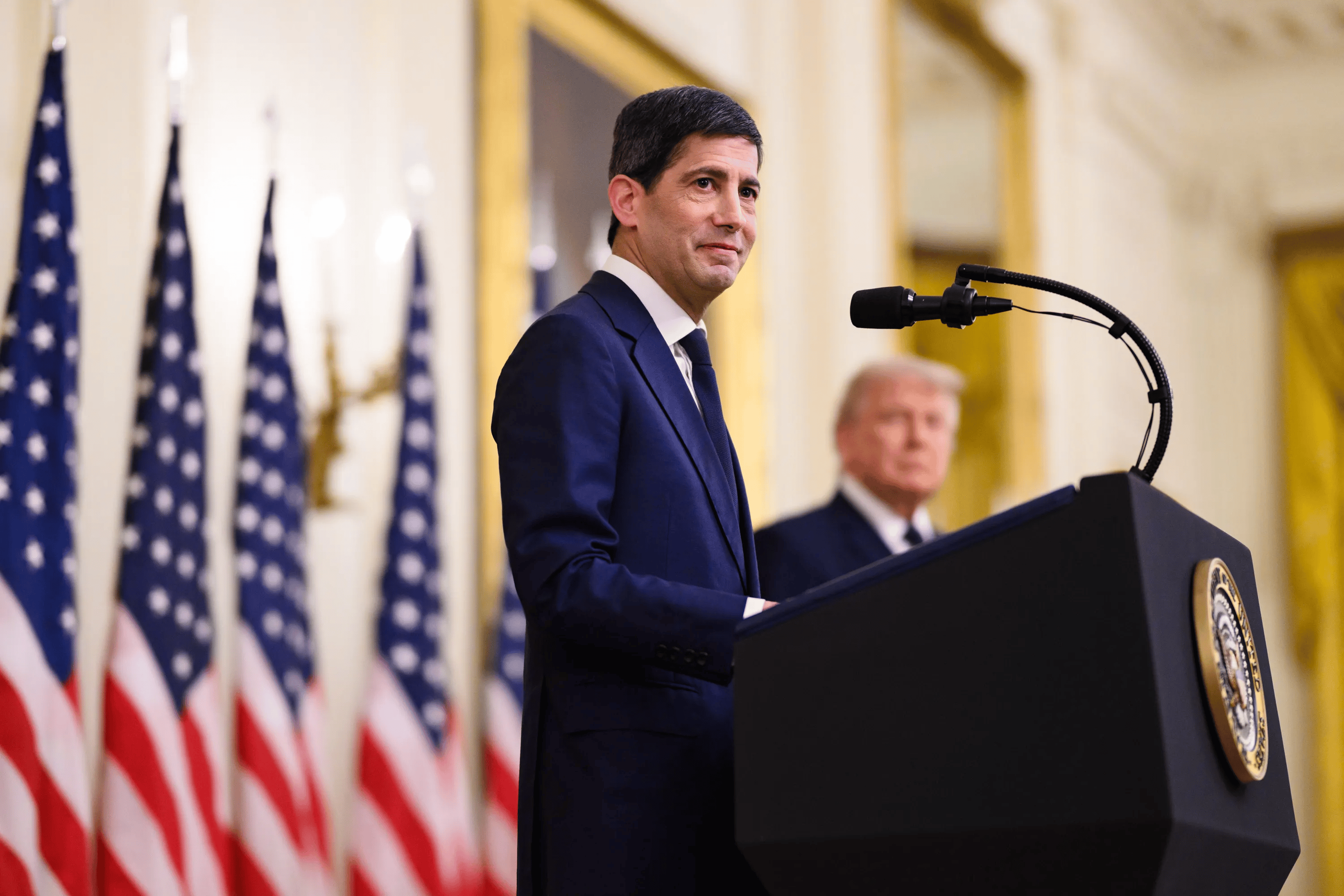
2 days agoWho Is Right, The President or the Market?' Treasury Sec. Challenged on Trump Claim Interest Rates Will Come Down
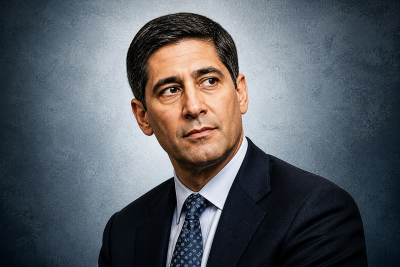
Interest rates are not expected to fall this year, while Treasury Secretary Bessent expects disinflation and says the new Fed chair will balance inflation and growth.




#energy-prices
Silicon Valley food
from24/7 Wall St.
4 days agoMemorial Day Shocker: Gas Prices Up 28%, Flights Up 21%, Coffee Up 18%, Even Hot Dogs Cost 11% More than Last Year
Gas, flights, coffee, beef, hot dogs, hotels, and tomatoes rose sharply versus last Memorial Day, driven by energy, supply constraints, weather, and demand pricing power.
Business
from24/7 Wall St.
1 day agoGold Is Up Again in 2026 and After Reviewing Every Way to Access the Metal, These 3 ETFs Cover the Trade at Three Different Risk Levels
Gold has risen strongly over 12 months, and portfolio gold exposure can be implemented via GLD, GLDM, or GDX based on volatility, costs, and equity risk tolerance.
#retirement-planning
Retirement
fromABC7 San Francisco
2 days agoAlmost half of Americans expect to live to 100... but haven't planned their retirement funds for it
Retirement savings targets are rising due to inflation, longer life expectancy, and Social Security uncertainty, requiring earlier planning and financial guidance.

fromAxios
2 days agoAmericans are spending faster than their income is growing
“While prices are rising faster than comfortable, incomes are not, putting consumers in an uncomfortable spot,” NerdWallet senior economist Elizabeth Renter wrote. “Rising prices, sluggish income and economic uncertainty could set the stage for a broader pullback in consumer spending and therefore economic growth,” Renter added.
US Elections

Europe news
fromLondon Business News | Londonlovesbusiness.com
3 days agoEUR/USD between geopolitical tensions and federal reserve hawkishness - London Business News | Londonlovesbusiness.com
Oil price gains tied to Middle East developments are reviving inflation concerns, supporting higher-for-longer U.S. rates and limiting EUR/USD upside.
UK politics
fromwww.npr.org
1 week agoEconomics expert Greg Ip analyses rising bond yields and their impact on the economy
Rising long-term Treasury yields reflect persistent inflation, growing government deficits, and political reluctance to reduce deficits, potentially raising borrowing costs for consumers and economies worldwide.
#consumer-sentiment
US politics
fromwww.mediaite.com
4 days agoFox Anchor Confronts Trump Econ Chief On Low Consumer Sentiment So He Suggests Survey is Rigged
Consumer sentiment declines are attributed to inflation and Iran-related worries, while a key official claims the sentiment measure is politically biased and effectively a political survey.
fromwww.aljazeera.com
3 days agoIran government sells subsidised meat for Eid al-Adha under blockade
Iranians are seeing the price of meat, and other basics, escalate due to the US blockade and sanctions. Eid al-Adha, one of the most important dates in the Islamic calendar, comes at a critical time for Iranians this year. Meat from sacrificed animals is often eaten at Iranian tables, but a blockade on Iranian ports and sanctions by the US has led to escalating costs across the country.
Berlin food

Europe news
fromIrish Independent
4 days ago'We shouldn't only think about fuel' - Central Bank governor flags cost of food and fertiliser in interest-rate decision
ECB rate decisions next month will consider non-fuel goods prices and indirect effects from blocked energy routes, alongside the prolonged Middle East conflict.
fromwww.mediaite.com
4 days agoTrump Cabinet Member Fawns Over President for Getting Middle Eastern Leaders on Phone on a Holiday That They Don't Celebrate
Obviously, President Trump's two moves ahead of his critics as always, nothing short of aspiration for peace in the Middle East. I mean, who on a Saturday afternoon over a holiday weekend can pull together all the world leaders from the Gulf State allies but also Egypt, Pakistan, Turkey get 'em all in a phone call, and paint a vision, which again, is peace and prosperity in the Middle East, which some people thought never could be achieved. But he's put all the conditions in place for this to come together, and this is gonna be great for not just for the United States but for the world economy and for peace and prosperity around the world.
Right-wing politics
Europe news
fromLondon Business News | Londonlovesbusiness.com
5 days agoEurope and Wall Street rally as geopolitical fears ease - London Business News | Londonlovesbusiness.com
Global equities rose as sentiment improved, driven by easing geopolitical worries and AI optimism, while inflation, energy prices, and weaker consumer confidence sustained uncertainty.
fromwww.npr.org
1 week agoSummer electric bills sizzle as the cost of cooling climbs
"Climate scientists think this could be the hottest summer on record or at least close to it," says Mark Wolfe, who heads the National Energy Assistance Directors Association (NEADA). "So families need to use more of an increasingly expensive product to stay cool this summer. And that's going to be tough." NEADA is projecting that electricity bills will be 8.5% higher this summer than last, on average, with residents in some Southern states seeing even bigger increases.
US news
fromwww.npr.org
1 week agoOne solution for Maine's struggling fishing industry? Give fillets away for free
Fishermen Feeding Mainers began in late 2020 and raises money to buy locally caught fish, process it and donate the frozen fillets to schools and food banks in Maine. So far, it has spent more than $4 million on the purchasing and processing of about 1.3 million pounds of locally caught fish.
US news
Business
fromFortune
1 week agoWalmart shoppers are filling their gas tanks with less than 10 gallons for the first time since 2022, and its CFO calls it 'an indication of stress' | Fortune
Lower-income shoppers are buying less gas as prices rise, signaling financial stress and potential pressure on retail prices if fuel costs persist.
fromBusiness Insider
1 week agoDo you spend like a boomer, millennial, or Gen Zer? Take this quiz to find out.
She covers the labor market, inflation, spending, and other data. In addition to covering new estimates and trends, her workforce reporting includes career pivots, job searching, and side hustles.
Media industry
fromFortune
1 week agoTrump reverses grocery, air conditioning pollution regulations because they're too woke | Fortune
The Trump administration on Thursday loosened federal rules that require grocery stores and air-conditioning companies to reduce greenhouse gases used in cooling equipment, a step President Donald Trump said would help lower grocery costs. Trump, at a White House ceremony, said the action by the Environmental Protection Agency would "substantially lower costs for consumers" by delaying costly restrictions that limit the type of refrigerants U.S. businesses and families can use.
Environment
US Elections
from24/7 Wall St.
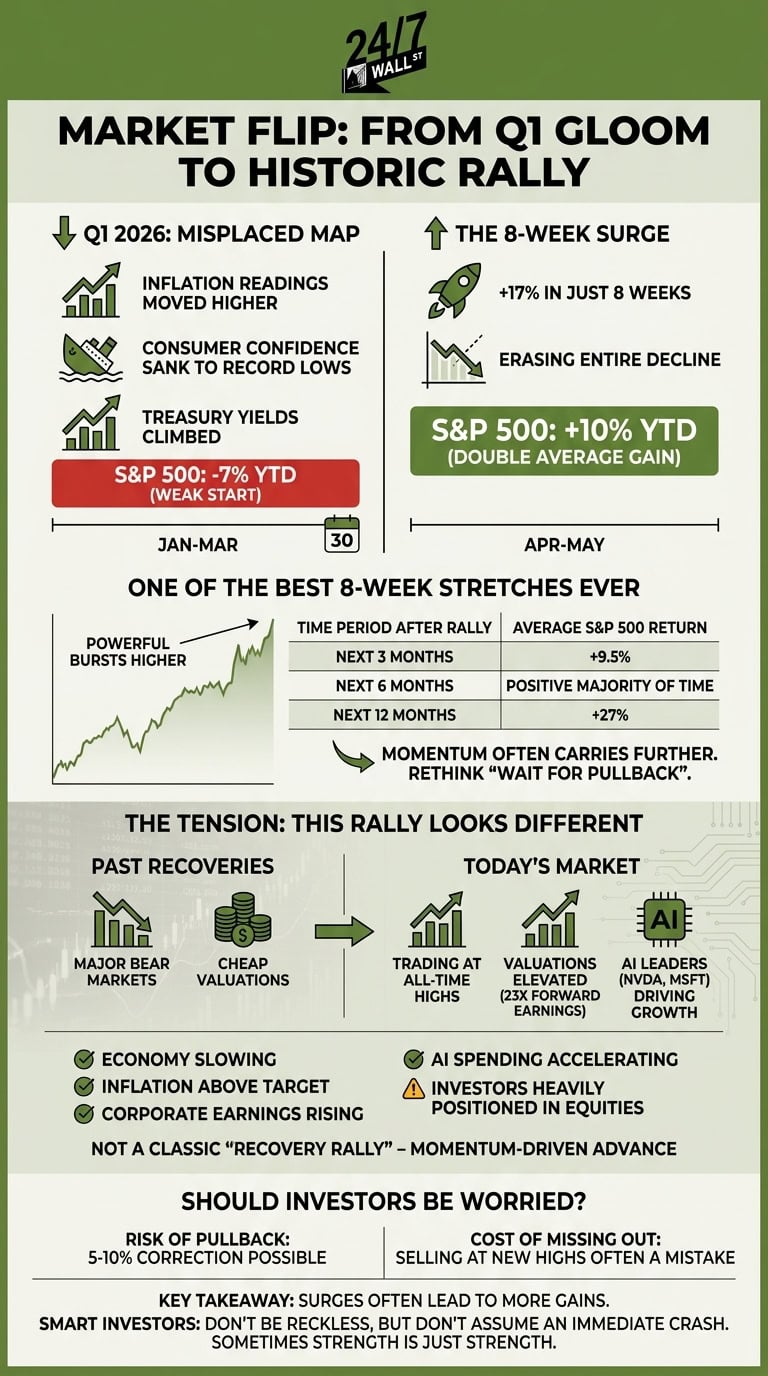
1 week agoThe "Don't Fight Trump" Trade Is Working: S&P 500 Ignores Everything and Keeps Surging
SPY has risen about 30% since Election Day 2024 despite major macro shocks, because corporate earnings and margins have held while AI-driven spending concentrates gains in a few large companies.
fromFortune
1 week agoEurope is considering price caps to control inflation. CEOs are shaking their heads in despair | Fortune
Scotland announcing that it wants to cap the prices of essential items like bread, milk and eggs at a state-enforced low price. “People are struggling to buy an adequate shop to support their families,” John Swinney, the First Minister of the devolved nation, told cheering activists.
Europe politics
fromnews.bitcoin.com
1 week agoBitcoin at Risk as Capriole Warns 3.8% Inflation Has Historically Preceded 30% Market Crashes
Capriole Investments highlighted a pattern that has held across decades of market data, i.e., when inflation crosses as high as it has today, the broad market has declined by an average of 30% over the following one to 24 months. Two of the most severe crashes on record occurred within this exact inflation regime, namely the dot-com collapse that erased 47% of market value between 2000 and 2002, and the 2008 financial crisis that took markets down by 55%.
Cryptocurrency
Business
from24/7 Wall St.
1 week agoWhen 2022 Tore Through the S&P 500, This Healthcare ETF Barely Flinched. Why Isn't It in More Retirement Accounts?
Inflation-driven rate hikes in 2022 caused stocks and bonds to fall together, reducing diversification benefits and boosting demand for defensive strategies like healthcare sector exposure.
Business
from24/7 Wall St.
1 week agoHere Are Wednesday's Top Wall Street Analyst Research Calls: BJ's Wholesale Club, Centene, Cigna, Crown Castle, ETSY, Franco-Nevada, Humana, Ovintiv, X-Energy, and More
Rising Treasury yields and persistent inflation fears pressured stocks, bonds, oil, and precious metals, with higher rates and grim economic data increasing market risk.
UK politics
fromLondon Business News | Londonlovesbusiness.com
1 week agoBadenoch thanks Starmer for 'his U-turn' on fuel duty - London Business News | Londonlovesbusiness.com
Fuel duty increases planned for September were dropped, extending the 5p-per-litre freeze through 2027 to protect households from global energy-driven transport cost rises.
Business
fromLondon Business News | Londonlovesbusiness.com
1 week agoDow Jones faces corrective pressure - London Business News | Londonlovesbusiness.com
Rising Treasury yields and “higher for longer” Fed expectations are weakening buying momentum and increasing caution toward Dow Jones cyclical blue chips.
fromwww.aljazeera.com
1 week agoThousands of protesters demand president's resignation in Bolivia's La Paz
Bolivia faces its worst economic crisis in 40 years, fueling nationwide protests demanding the president's resignation. Antigovernment protests have escalated across Bolivia, with thousands of people demanding the resignation of centre-right President Rodrigo Paz as road blockades leave the administrative capital, La Paz, short of food, fuel and medicine.
World news
[ Load more ]