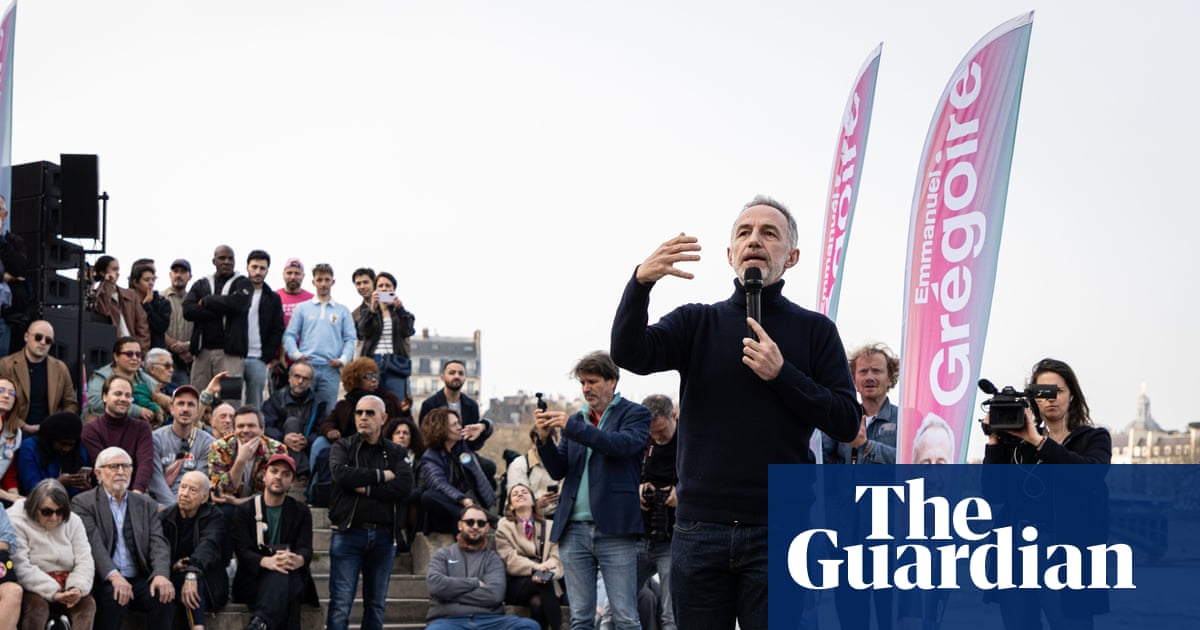
"Polls consistently show France's mayors are the country's most trusted politicians and, while municipal elections often focus on local matters, they measure support for political parties, shape national momentum and can show which themes resonate with voters."
"Municipal election results are notoriously difficult to predict partly because pollsters do not always pick up on the issues that decide them, but also because every candidate list that scores 10% or more in the first round advances to the second round."
"The far-right, anti-immigration party performed badly in the last municipal votes in 2020, but subsequently did very well in European and then snap parliamentary elections in 2024, becoming the largest single party in France's national assembly."
France will hold two rounds of municipal elections on 15 and 22 March across 35,000 communes, from small hamlets to major cities like Paris, Lyon, and Marseille. These elections provide crucial insight into the country's political landscape before the 2025 presidential election. Mayors are France's most trusted politicians, and while municipal elections focus on local issues, they measure party support, shape national momentum, and reveal voter priorities. The far-right National Rally performed poorly in 2020 but achieved significant success in 2024 European and parliamentary elections, becoming the largest single party in the national assembly. The RN currently controls only about a dozen councils and one city exceeding 100,000 residents, Perpignan. Municipal election results are difficult to predict due to complex runoff systems and electoral alliances.
#french-municipal-elections #national-rally #presidential-election-2025 #far-right-politics #electoral-alliances
Read at www.theguardian.com
Unable to calculate read time
Collection
[
|
...
]