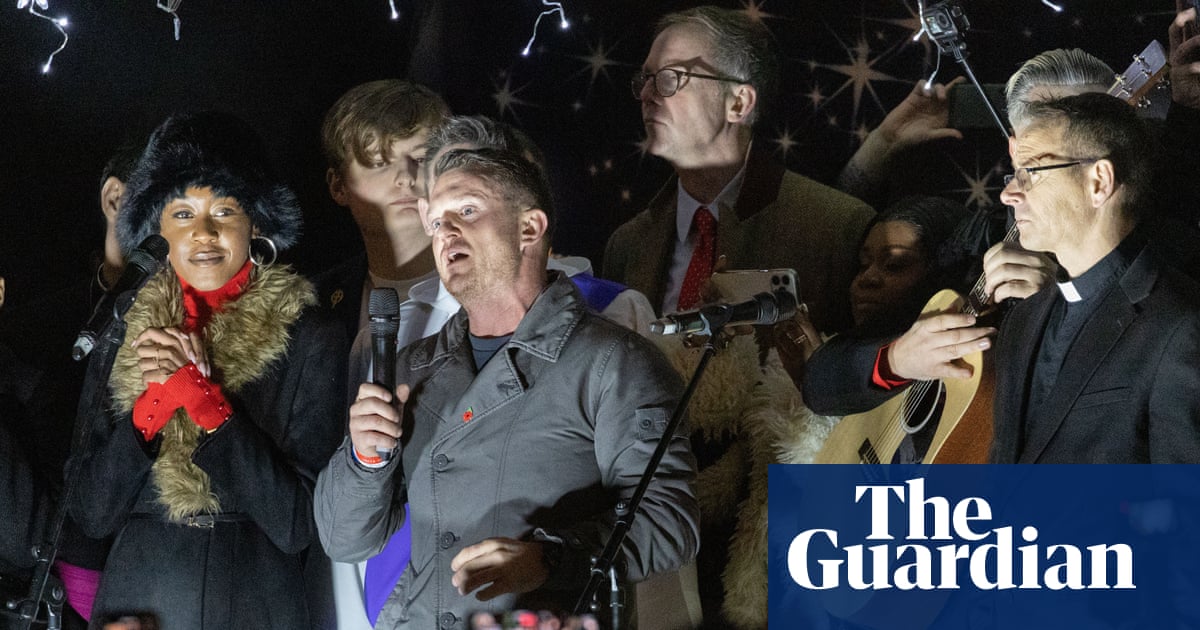
Polanski told the crowd: Go back to your communities, to the community centres, to your trade unions, to your friends, to your neighbours. We must organise in our communities. Local elections are coming in just a few weeks' time, he added. We will defeat hate. It's time to make hope normal again.
Early results show that the far-right candidate Louis Aliot has held the town of Perpignan with 51.4 percent of the vote, while the centre-right mayor of Calais Natacha Bouchart has also been re-elected with 59.5 percent. In the town of Vernon in the greater Paris region, mayor Francois Ouzilleau - a close ally of prime minister Sebastien Lecornu - was also re-elected in the first round.
France will hold municipal elections on March 15 and 22, votes seen as a key test ahead of next year's presidential election. The two-round ballot will measure the strength of the far-right National Rally (RN) and showcase what types of alliances could emerge in an increasingly fragmented landscape.
It is as if his past two decades of inflammatory political activism hasn't hurt his reputation. What's more, things will soon pick up, he assures us, because his morphine has just kicked in. A smatter of laughter. Probably joking? Opiate allusions aside, the between-songs narrative is a classic tour-de-Moz. He stumbles from self-hype to castigating jealous bitches and his customary bete noire, the cancel culture that has so thoroughly deplatformed him.
As Donald Trump redoubled his war of words on the European Union and Nato in recent weeks, a senior state department official, Sarah B Rogers, was publicly attacking policies on hate speech and immigration by ostensible US allies, and promoting far-right parties abroad. Rogers has arguably become the public face of the Trump administration's growing hostility to European liberal democracies.
Before the campaign was all but officially interrupted by two deadly and destructive storms, some conservative figures in the country had staged a rare display of apparent unity by declaring their support for Seguro in an attempt to head off the possibility of a far-right presidency. Others, including Portugal's centre-right prime minister, Luis Montenegro, have refused to throw their weight behind the socialist.
Judith Marin, 30, was once ejected from Chile's senate by police for screaming return to the Lord during a vote to decriminalise abortion under restricted circumstances. She is an evangelical former student church group president who belonged to the Eagles of Jesus, a far-right Christian group which recruits at universities around the country. Marin has publicly questioned the future of the ministry she will now lead, and defended the natural family the idea that a man and woman head a household.
Portugal has begun voting in the first round of a presidential election in which a far-right candidate could, for the first time, make it to a run-off, possibly securing another win for Europe's burgeoning far-right parties. Polling stations opened at 8am local time (08:00 GMT) on Sunday across the country, and exit poll results will be announced 12 hours later. Almost 11 million people are eligible to vote in the election, which has 11 candidates.
The European Commission has bent over backwards to craft safeguard clauses and emergency brakes in case of a sudden surge in food imports. It has brought forward planned future agricultural spending to assuage farming countries such as France, Poland, Ireland and Italy. Farmers fear that cheap South American beef, not produced to strict EU standards, will flood their markets. It's mostly down to the collective cowardice of France's political leaders, starting with the president, Emmanuel Macron.
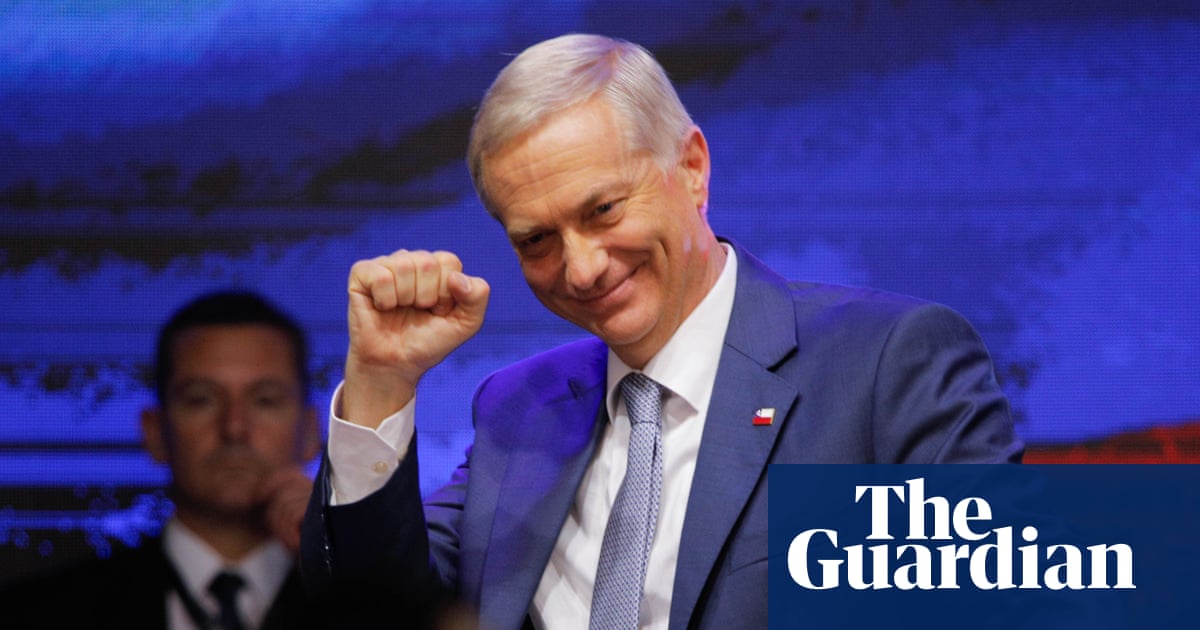
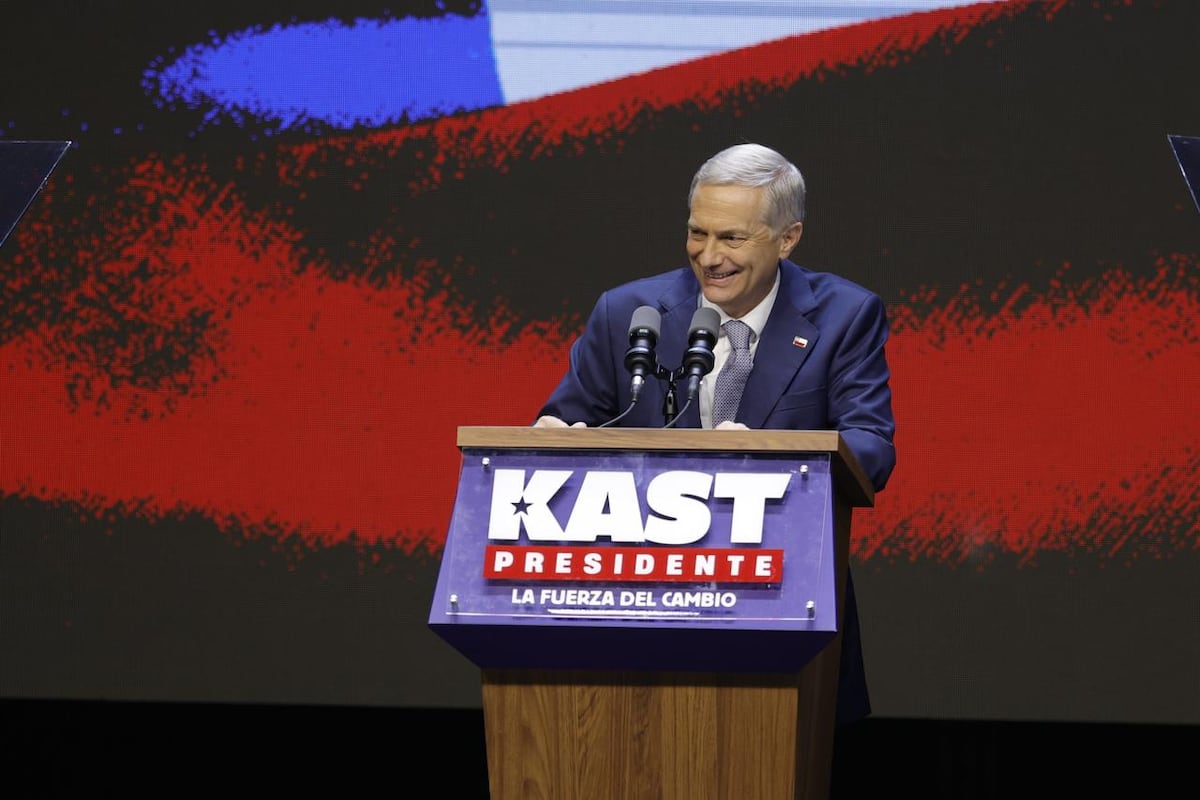
Far-right candidate Jose Antonio Kast of the Republican Party who claims to be inspired by US President Donald Trump has won Chile's presidential run-off election, marking a major shift in the Latin American nation's political landscape. Kast, who campaigned on a promise to expel undocumented migrants and crack down on crime, secured 58 percent of the votes against left-wing candidate Jeannette Jara, who won 42 percent, in one of the most polarised elections in recent memory.
When, out of curiosity, Leila Cader and her friends entered the gardens surrounding Castel Sant'Angelo, a prominent Rome monument that once served as a refuge for popes during times of war, they thought they'd chanced upon an enchanting winter wonderland. With the scent of mulled wine wafting through the air, Santa's elves wandering around, stalls selling nativity-scene figurines and skaters merrily gliding on an ice-rink, it was beginning to look a lot like Christmas.
The 21st century has so far seen two simultaneous electoral developments in western Europe: the decline of social-democratic parties and the rise of far-right parties. This has created the powerful narrative that social democrats are losing votes to the far right, in particular because of their (alleged) pro-immigration positions. And although research shows that their voters mainly moved to centre-right and green parties, social-democratic parties have been chasing this mythical left behind voter ever since.
Under the new plans, which are modelled on Denmark's strict asylum system, refugee status for asylum-seekers arriving in the UK will be cut from five years to 30 months, while those granted asylum will have to wait 20 years to apply for permanent residency rather than the current five years. Those protections will be "regularly reviewed" and refugees will be encouraged to return to their home countries, once they are deemed safe.
The truth is that without securing higher, sustained economic growth, reconnecting people and politics, generating trust in the potential of democracy and importance of good government becomes almost impossible. And the appeal of the parties of the far right with their dogma of disruption, division and despair it becomes, too, alluring. Kyle added: We see it today with Reform, just as we did in previous times with the National Front and the British National party.
If you want to understand the state of Germany in these last weeks of 2025, grasping the meaning of two entries in the German dictionary are essential: stadtbild and haftbefehl. The first term technically means cityscape. But since chancellor Friedrich Merz gave a speech in the state of Brandenburg on 14 October, it has taken on a new political meaning. We have come far with migration, he said, but of course we still have this problem in our stadtbild.
This was in part due to the potential $40bn bailout promised to cash-strapped Buenos Aires by Washington. Ahead of the vote, United States President Donald Trump had made clear the cash injection was contingent upon the election results. And Trump's far-right buddy Javier Milei, the equally uniquely coiffed president of Argentina, did not fail to deliver. Milei's party, La Libertad Avanza, pulled off a rather startling win, scoring more than 40 percent of the votes cast, according to early results.
The Berlin-based researchers found that as the far right moved from fringe issues in the late 1990s to topics such as integration and migration, mainstream parties had increasingly reshaped their communications to respond, boosting the spread of these ideas and signalling to voters that these ideas and stances were legitimate. The overarching result had crucial implications for democracy, said Teresa Volker, a political sociologist at Berlin Social Science Center and co-author of the study.