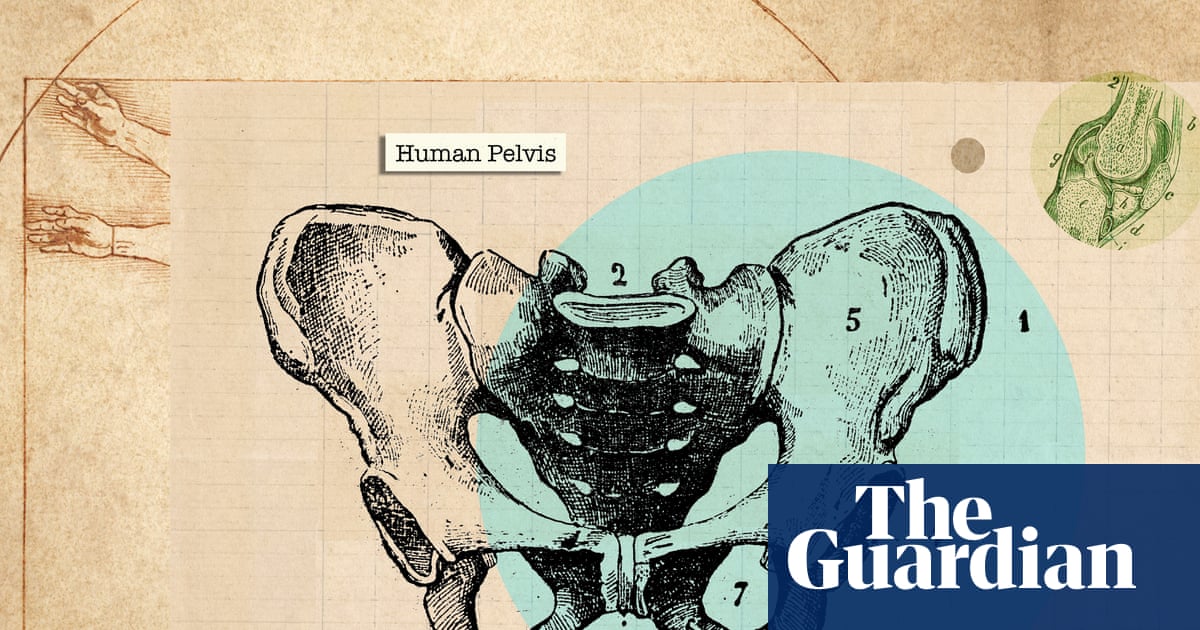
"The pelvic floor consists of the muscles at the base of the pelvis and everything above it, including ligaments says Lisa Birmingham, a senior physiotherapist and director of All Women's Health in Brisbane. It extends from the pubic bone in the front to the coccyx in the back. These muscles are responsible for pulling everything in from below and supporting the bladder, bowel, and in females uterus."
"Before strengthening the muscle, you must find it. Birmingham says the goal is a strong, bulky muscle. The pelvic floor is made up of an entrance group of muscles and a deeper group of muscles, she says. For women, strengthening the muscles takes a two-part movement. Squeeze at the front as if you're holding onto a wee and an anal squeeze at the back which feels like a lift, Birmingham says. She adds a good visualisation is to imagine you are in a crowded lift"
"For men, the cue is to lift up the testicles, Morrison says. She suggests everyone aim for 10 repetitions of 510 second holds. However, relaxation is equally important. Angela James, founder and principal physiotherapist at Sydney Pelvic Pain Clinic, warns excessive physical activity is not always conducive to a healthy pelvic floor, using the example of overzealous gripping of pelvic floor muscles sometimes seen in pilates."
Pelvic floor comprises muscles at the base of the pelvis extending from the pubic bone to the coccyx and includes ligaments that support the bladder, bowel, and uterus. The muscles pull inward from below to provide structural support. Strengthening requires finding and contracting both entrance and deeper muscle groups, using front and back squeezes for women and a testicle-lift cue for men. Aim for ten repetitions of five to ten second holds while prioritizing full relaxation between efforts. Excessive gripping or overuse can harm pelvic health. Pelvic care is important for all ages and genders, with persistent pelvic pain affecting some men.
Read at www.theguardian.com
Unable to calculate read time
Collection
[
|
...
]