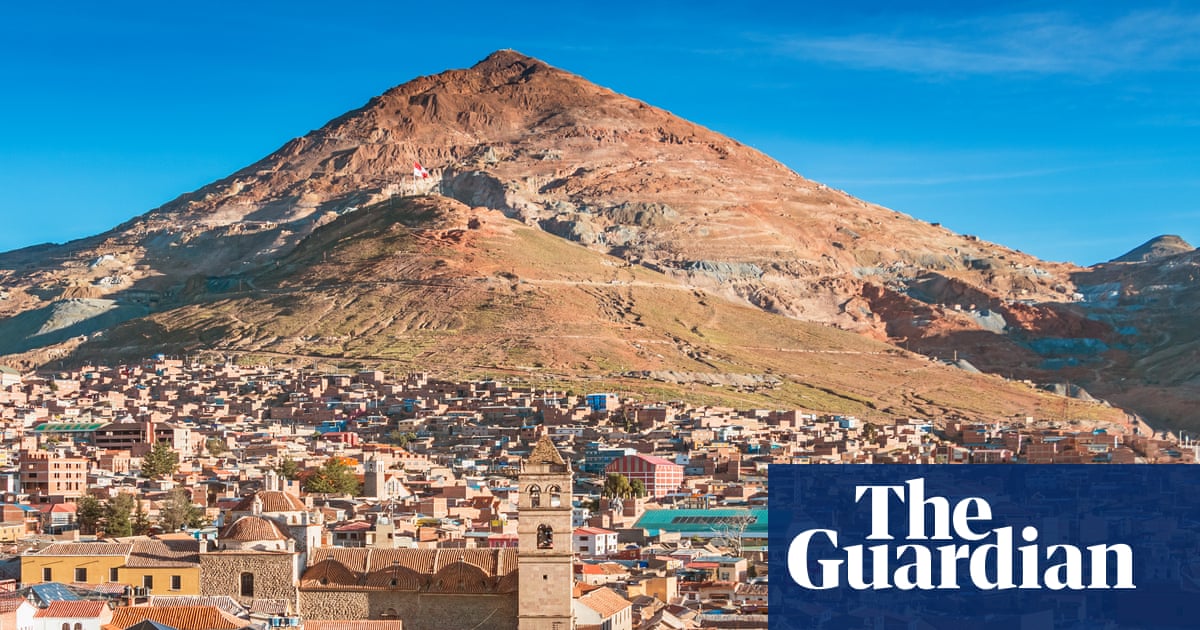
"Sprouting at the foot of the Cerro Rico, South America's most populous settlement produced 60% of the world's silver, which not only enabled Spain to wage its wars and service its debts, but also accelerated the economic development of India and China. The city's wealthy elites could enjoy crystal from Venice and diamonds from Ceylon while one in four of its mostly indigenous miners perished."
"No religion, no ideology, no philosophy, has ever been as all-encompassing as the economic logic of capitalism, Beckert claims, defining it as the ceaseless accumulation of privately controlled capital. Accounting for it therefore feels like explaining water to fish. Adam Smith, the hero of capitalism's triumphant self-remembrance, attributed it to benign self-interest. Beckert, however, calls it a revolution, centuries in the making, which depended on things that Smith downplayed: power, violence, the state."
Potosí produced an extraordinary share of global silver in the early 17th century, fueling Spanish military power, debt service, and economic growth in India and China. Enormous luxury for elites contrasted with catastrophic mortality among mostly indigenous miners, giving Cerro Rico the epithet "the mountain that eats men." Capitalism is characterized as the ceaseless accumulation of privately controlled capital, expansive and world-transforming. The system relied on coercion, state power, and violence alongside markets and ideology. Capitalism's rise involved long-term global networks and forceful interventions rather than arising naturally from democratic or purely market-based origins.
Read at www.theguardian.com
Unable to calculate read time
Collection
[
|
...
]