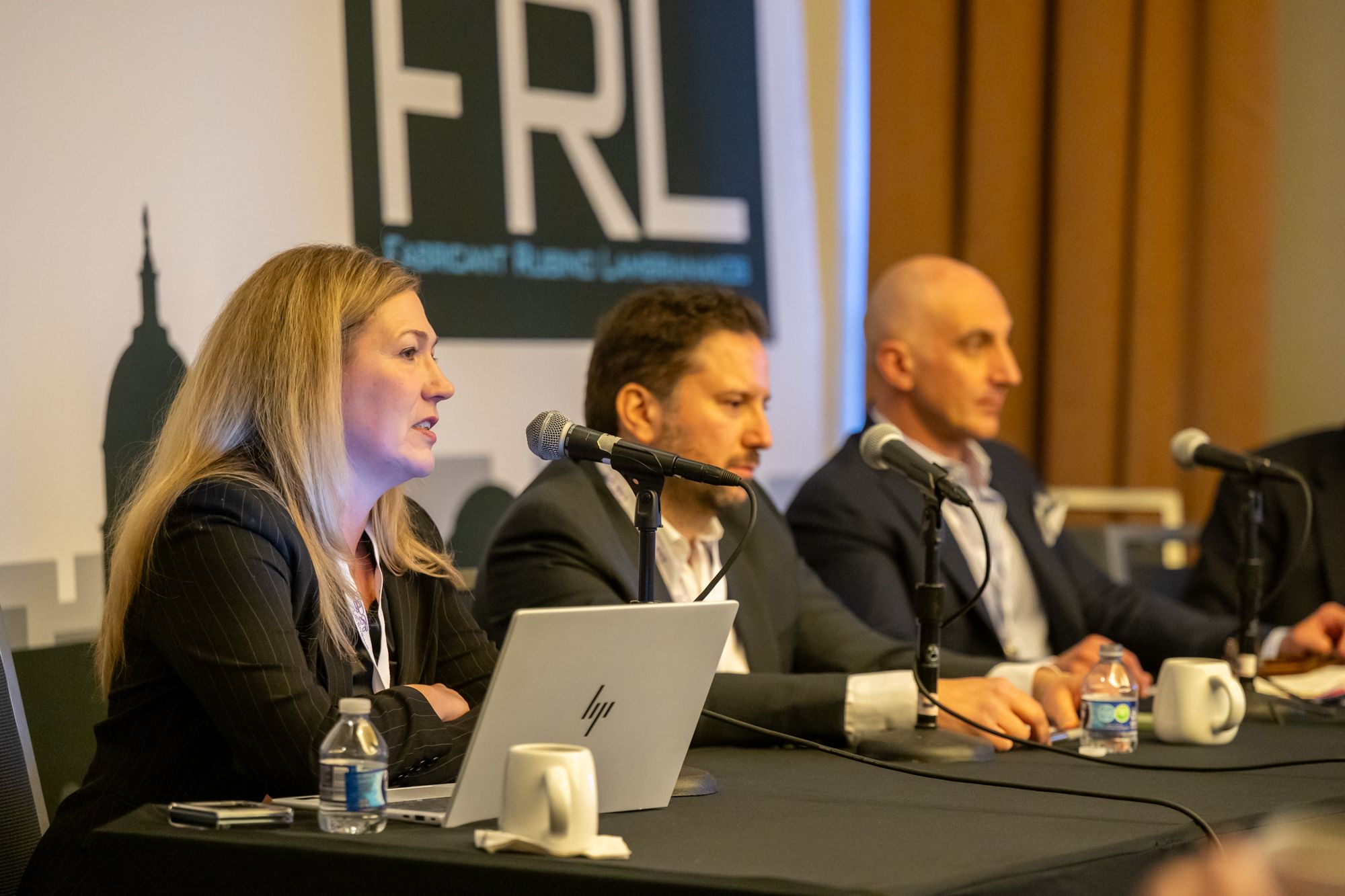
"Standard essential patents (SEPs) don't generate controversy because people disagree on whether innovation deserves compensation. The controversy runs deeper: everyone agrees it does, but nobody agrees on how much, when, or through which court."
"The panel featured practitioners who see the SEP licensing ecosystem from very different vantage points and arrived without a shared script. What followed wasn't consensus. It was something more useful: a frank, occasionally contentious accounting of where the global Fair, Reasonable, and Non-Discriminatory (FRAND) licensing system is under strain."
"SEPs emerge from three categories of standard-setting organizations: governmental bodies, private entities, and industry consortia. While telecommunications dominates the field, the reach of SEP-laden standards is expanding rapidly into video codecs, automotive, and IoT."
Standard essential patents (SEPs) generate tension in licensing due to disagreements on compensation amounts and terms. The panel at IPWatchdog LIVE 2026 highlighted the complexities of the global Fair, Reasonable, and Non-Discriminatory (FRAND) licensing system. SEPs arise from various standard-setting organizations, each with unique intellectual property rights policies. This lack of standardization in fees and terms reflects a system designed for interoperability, leaving commercial negotiations to individual parties. Understanding these dynamics is crucial for IP practitioners advising on technology portfolios.
Read at IPWatchdog.com | Patents & Intellectual Property Law
Unable to calculate read time
Collection
[
|
...
]