#intellectual-property
#intellectual-property
[ follow ]
#trademark-law
Intellectual property law
fromwww.theguardian.com
1 month agoItaly wins claim against name of Spanish restaurant chain The Mafia Sits at the Table
Spain's patent office ruled that a restaurant chain named 'The Mafia Sits at the Table' must change its name because it violates public order and morality by trivializing organized crime.
fromresund Startups
2 days agoInvestor Dialogue: building circular portfolio with Nordic ecosystems
The circular economy is not just a trend-it's a necessity for sustainable industrial and economic growth. However, investors often face challenges such as 'death by pilot,' regulatory hurdles, and the gap between technical readiness and market entry.
London startup
Intellectual property law
fromIPWatchdog.com | Patents & Intellectual Property Law
4 days agoSchedule A Litigation: Strategies and Best Practices for Online Enforcement
Schedule A litigation effectively addresses online trademark infringement by consolidating multiple foreign-based infringers into a single lawsuit.
Intellectual property law
fromIPWatchdog.com | Patents & Intellectual Property Law
5 days agoNavigating the Global SEP Toll Road: From Judicial Arbitrage to the Willingness Test
Standard essential patents create tension over licensing terms, with no consensus on compensation despite agreement on the need for it.
#patent-law
fromIPWatchdog.com | Patents & Intellectual Property Law
2 weeks agoIntellectual property law
Other Barks & Bites for Friday, April 3: Trump EO Sets 100% Tariffs on Patent Pharmaceutical Imports; Squires Vacates TikTok IPRs Under Tianma Microelectronics; and Kallay Voices DOJ's Preference for FRAND Obligations
Intellectual property law
fromPatently-O
2 weeks agoGuest Post: Improving PERA's Eligibility Exclusions
The Patent Eligibility Reform Act aims to clarify patent eligibility but retains significant limitations on human genes and diagnostic methods.
Intellectual property law
fromIPWatchdog.com | Patents & Intellectual Property Law
4 weeks agoIPWatchdog LIVE 2026: Judge Newman and Michel Present Awards, Panelists Outline Uphill Battle for Global IP and Drug Patents
The global IP landscape requires improvements for greater certainty and predictability, as emphasized by Judge Pauline Newman.
Intellectual property law
fromIPWatchdog.com | Patents & Intellectual Property Law
8 years agoBroad List of References by PTAB Not Adequate Notice of Specific Combinations of Prior Art
EmeraChem's '758 patent claims were invalidated based on the '558 patent being considered prior art under 35 U.S.C. § 102(e).
Intellectual property law
fromIPWatchdog.com | Patents & Intellectual Property Law
2 weeks agoOther Barks & Bites for Friday, April 3: Trump EO Sets 100% Tariffs on Patent Pharmaceutical Imports; Squires Vacates TikTok IPRs Under Tianma Microelectronics; and Kallay Voices DOJ's Preference for FRAND Obligations
President Trump signed an executive order imposing 100% tariffs on imported patented pharmaceuticals and ingredients from 17 drugmakers.
Intellectual property law
fromIPWatchdog.com | Patents & Intellectual Property Law
4 weeks agoIPWatchdog LIVE 2026: Judge Newman and Michel Present Awards, Panelists Outline Uphill Battle for Global IP and Drug Patents
The global IP landscape requires improvements for greater certainty and predictability, as emphasized by Judge Pauline Newman.
Intellectual property law
fromIPWatchdog.com | Patents & Intellectual Property Law
6 days agoHigh Performance, Hidden Struggles: Law Firm Culture and the Human Side of IP Law / IPWatchdog Unleashed
Intellectual property strategy is shifting from accumulation to optimization, focusing on business value and addressing mental health challenges in the legal profession.
fromIPWatchdog.com | Patents & Intellectual Property Law
1 week agoIPWatchdog Announces Leadership Promotions to Support Continued Growth and Strategic Expansion
Renée's leadership extends well beyond operations. While I focus on external-facing initiatives such as content, programs, and strategic vision, she oversees the core business functions of the company, including finance and HR, and is instrumental in driving our growth.
Media industry
#patent-licensing
Intellectual property law
fromIPWatchdog.com | Patents & Intellectual Property Law
4 weeks agoIPWatchdog LIVE Panel Asks Whether Patent Licensing Still Works - The Answer Is Complicated
The voluntary patent licensing ecosystem is broken, leading to disincentivized licensing and increased exposure for patent owners.
Intellectual property law
fromIPWatchdog.com | Patents & Intellectual Property Law
1 week agoOther Barks & Bites for Friday, April 10: DISH Wins Copyright Appeal Over Arabic TV Retransmissions; Fifth Circuit Awards Google Transfer on Mandamus; and Third Circuit Says Online Publication of Copyrighted Building Codes is Transformative
The article covers significant legal developments in copyright and patent issues, including court rulings and corporate partnerships in the AI sector.
#ai
Intellectual property law
fromIPWatchdog.com | Patents & Intellectual Property Law
1 week agoDisney Deal Shows the Way for Responsible AI Development
Arts and entertainment are essential to society, and AI companies face legal challenges for using copyrighted works without permission.
fromIPWatchdog.com | Patents & Intellectual Property Law
4 weeks agoIntellectual property law
The Last Archive: How AI Is Erasing What We Know-And Why Patent Attorneys Are Humanity's Last Line of Defense
AI-generated content poses challenges for patent quality, emphasizing the importance of human oversight in maintaining standards.
Intellectual property law
fromFuturism
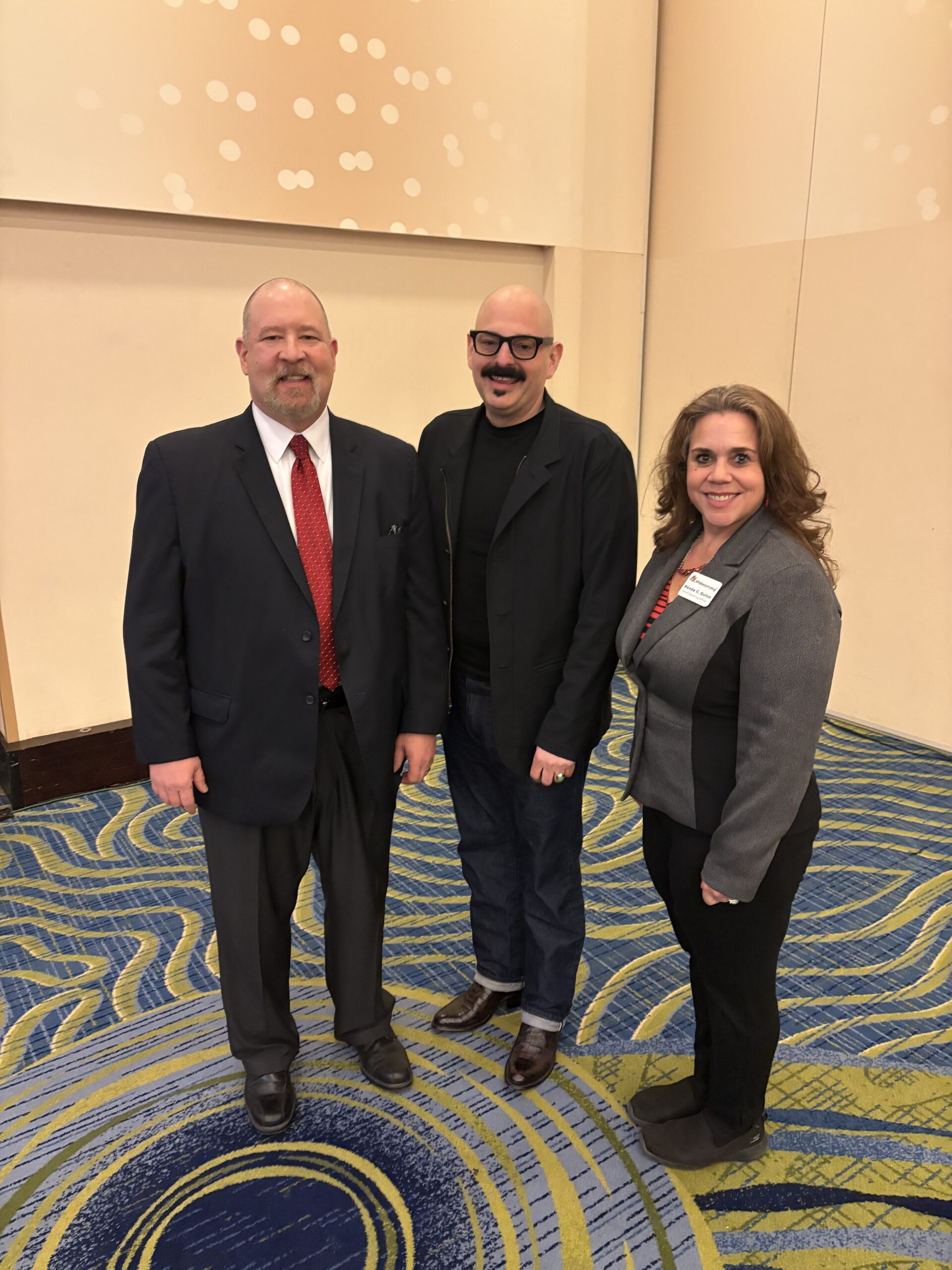
2 weeks agoAnthropic Suddenly Cares Intensely About Intellectual Property After Realizing With Horror That It Accidentally Leaked Claude's Source Code
Anthropic's copyright takedown request for its AI model's source code highlights hypocrisy in its stance on copyright laws.
Intellectual property law
fromIPWatchdog.com | Patents & Intellectual Property Law
1 week agoPatent Monetization: Markets, Misaligned Incentives, and the AI Inflection Point | IPWatchdog Unleashed
The incentive structure for innovation has eroded, disadvantaging individual inventors and leading to a decline in long-term innovation output.
Intellectual property law
fromIPWatchdog.com | Patents & Intellectual Property Law
8 years agoRenegotiate NAFTA to Make it the Gold Standard in IP Protection
Renegotiating NAFTA presents an opportunity to enhance protections for intellectual property rights, crucial for U.S. economic growth and job preservation.
#copyright-law

fromThe IP Law Blog
1 month agoIntellectual property law
The Briefing: No Paper, No Standing: Kanye West, Copyright Transfers, and the Writing Requirement
Copyright transfers must be in writing under Section 204(a) of the Copyright Act; without written documentation, ownership and enforcement rights do not exist.
fromIPWatchdog.com | Patents & Intellectual Property Law
9 years agoIntellectual property law
Is the Supreme Court breathtakingly dishonest or just completely clueless?
The Supreme Court established a two-part test for copyright protection of artistic features on useful articles: the feature must be perceivable as separate art and qualify as protectable work independently.
Intellectual property law
fromIPWatchdog.com | Patents & Intellectual Property Law
9 years agoIs the Supreme Court breathtakingly dishonest or just completely clueless?
The Supreme Court established a two-part test for copyright protection of artistic features on useful articles: the feature must be perceivable as separate art and qualify as protectable work independently.
fromComputerworld
2 weeks agoOnlyOffice accuses Euro-Office of licensing violations, suspends Nextcloud partnership
OnlyOffice stated that those accessing its code under the GNU Affero General Public License v3 are required to retain its branding and provide proper attribution to the original technology. Euro-Office's failure to meet these conditions constitutes an infringement of the copyright holder's exclusive rights.
Intellectual property law
fromTechCrunch
2 weeks agoThe reputation of troubled YC startup Delve has gotten even worse | TechCrunch
DeepDelver recognized that Pathways looked a lot like Sim.ai's open-source agent-building product called SimStudio and asked Delve if it was based on SimStudio. The Delve folks said they built it themselves, the whistleblower contends.
Software development
fromIPWatchdog.com | Patents & Intellectual Property Law
2 weeks agoWIPO in Focus: Beyond Treaties, Toward a Market-Driven IP System | IPWatchdog Unleashed
WIPO is not merely a distant UN bureaucracy; it is a dynamic, fee-driven organization that has been undergoing significant operational and cultural transformation in recent years.
Intellectual property law
Intellectual property law
fromIPWatchdog.com | Patents & Intellectual Property Law
3 weeks agoNinety-Eight Percent of Apple, Nvidia, Costco, Lilly and MasterCard Market Value are IP-Related Intangible Assets
Intangible assets have significantly increased in value, comprising up to 98% of some companies' market value, reshaping corporate finance and understanding.
#uspto
Intellectual property law
fromIPWatchdog.com | Patents & Intellectual Property Law
3 weeks agoContentious House USPTO Oversight Hearing Centers on PTAB Reforms, Trump's Political Influence
Gang tackling is preferred over serial filings for addressing patent issues, according to USPTO Director John Squires.

Intellectual property law
fromPatently-O
3 weeks agoBipartisan Skepticism Greets Director Squires at First House Oversight Hearing
The House Judiciary Subcommittee hearing addressed various USPTO issues under Director John Squires, revealing bipartisan skepticism and concerns over patent quality and IPR changes.
Intellectual property law
fromIPWatchdog.com | Patents & Intellectual Property Law
3 weeks agoContentious House USPTO Oversight Hearing Centers on PTAB Reforms, Trump's Political Influence
Gang tackling is preferred over serial filings for addressing patent issues, according to USPTO Director John Squires.
Intellectual property law
fromIPWatchdog.com | Patents & Intellectual Property Law
3 weeks agoCalculating the Patent Liabilities of the 'Magnificent Seven'
Implementers face significant patent liability, leading to covert actions against the U.S. patent system and increased litigation over the past 30 years.
Intellectual property law
fromIPWatchdog.com | Patents & Intellectual Property Law
4 weeks agoThe Problem of Abusive Serial Challenges Using Reexaminations Needs to Be Addressed by the USPTO
Serial patent challenges undermine the patent system and create unfair advantages for larger companies over smaller competitors.
Intellectual property law
fromIPWatchdog.com | Patents & Intellectual Property Law
1 month agoOther Barks & Bites for Friday, March 20: CAFC Approves Flexible Domestic Industry Analysis at ITC; MFN Pricing Threatens $167 Trillion in Medical Innovation's Societal Value; and UK Has No Preferred Option for AI and Copyright
The Federal Circuit supports flexible analysis in domestic industry requirements, while various legal and economic developments impact innovation and data access regulations.
#copyright-infringement
Intellectual property law
fromIPWatchdog.com | Patents & Intellectual Property Law
1 month agoSenators Blackburn, Welch Call for AI Video Apps to Cease IP Infringement
U.S. Senators Blackburn and Welch demand ByteDance shut down Seedance 2.0 for enabling massive unauthorized use of copyrighted creative works without licenses or compensation.
Intellectual property law
fromwww.amny.com
1 month agoMerriam Webster, Encyclopedia Britannica sue OpenAI for copyright infringement | amNewYork
Merriam Webster and Encyclopedia Britannica sued OpenAI for copyright and trademark infringement, alleging systematic copying of their content to train AI models and generate verbatim user responses without compensation or permission.
#trademark-dispute
Video games
fromKotaku
1 month agoAuthor Accuses Clair Obscur Dev Of Trying To Kill His Comic Book
Sandfall Interactive sent legal notice to fantasy author Olivier Gay over his graphic novel titled Académie Clair-Obscur, claiming trademark infringement despite the shared French phrase having historical artistic origins and the works being entirely different genres.
Music
fromPitchfork
1 month agoSturgill Simpson Promises to Punish "Miserable Shitasses" Who Leaked His Album
Sturgill Simpson, now performing as Johnny Blue Skies, discovered an unauthorized seller posting his album Mutiny After Midnight on Bandcamp and vowed to pursue legal action and refund affected customers.

#ai-ethics
Intellectual property law
fromwww.amny.com
1 month agoNYT journalist files class action against Grammarly AI for profiting off writers without consent | amNewYork
Journalist Julia Angwin is suing Grammarly's parent company Superhuman for using her name and likeness in an AI editing tool without consent or compensation.
Intellectual property law
fromwww.theguardian.com
1 month agoGrammarly removes AI Expert Review feature mimicking writers after backlash
Grammarly disabled its Expert Review AI feature that mimicked prominent writers' styles without consent, facing a multimillion-dollar lawsuit for unauthorized commercial use of identities.
Intellectual property law
fromFast Company
1 month agoGrammarly's AI tool mimicked experts without their consent. Now it's being sued
Grammarly's Expert Review tool used real people's likenesses without consent to provide writing suggestions, prompting a class action lawsuit over unauthorized use of professional writers' identities and expertise.

Intellectual property law
fromWIRED
1 month agoGrammarly Is Facing a Class Action Lawsuit Over Its AI 'Expert Review' Feature
Grammarly faces a class action lawsuit for using names and identities of journalists, authors, and academics without consent in its AI-powered Expert Review tool, with claimed damages exceeding $5 million.
Intellectual property law
fromwww.amny.com
1 month agoNYT journalist files class action against Grammarly AI for profiting off writers without consent | amNewYork
Journalist Julia Angwin is suing Grammarly's parent company Superhuman for using her name and likeness in an AI editing tool without consent or compensation.
Intellectual property law
fromwww.theguardian.com
1 month agoGrammarly removes AI Expert Review feature mimicking writers after backlash
Grammarly disabled its Expert Review AI feature that mimicked prominent writers' styles without consent, facing a multimillion-dollar lawsuit for unauthorized commercial use of identities.
Intellectual property law
fromFast Company
1 month agoGrammarly's AI tool mimicked experts without their consent. Now it's being sued
Grammarly's Expert Review tool used real people's likenesses without consent to provide writing suggestions, prompting a class action lawsuit over unauthorized use of professional writers' identities and expertise.
Intellectual property law
fromWIRED
1 month agoGrammarly Is Facing a Class Action Lawsuit Over Its AI 'Expert Review' Feature
Grammarly faces a class action lawsuit for using names and identities of journalists, authors, and academics without consent in its AI-powered Expert Review tool, with claimed damages exceeding $5 million.
fromThe Atlantic
1 month agoThe Worst Writing Advice of All Time
That type of copying is pretty normal, and they teach it in school. It's how you learn (and how you become depressed). But in the age of generative AI, there are many new kinds of copying. For instance, Wired reported last week on a tool offered by Grammarly, which briefly offered users the opportunity to put their writing through something called "Expert Review."
Writing
fromFuturism
1 month agoGrammarly Forgot to Mention Something in Its Giant Apology That Changes the Whole Story
We hear the feedback and recognize we fell short on this. Over the past week, we received valid critical feedback from experts who are concerned that the agent misrepresented their voices. Following an enormous backlash and telling people being impersonated that they should email the company to opt out, Grammarly's parent company, Superhuman, made a sudden reversal.
Privacy professionals
Venture
from24/7 Wall St.
1 month agoClarivate: The Data Intelligence Company Flying Under the Radar
Clarivate, a London-based data intelligence company with defensible assets in research and patent workflows, trades at $2.64 per share while generating $365 million in annual free cash flow and planning strategic asset sales to reduce leverage.


Intellectual property law
fromwww.cnbc.com
1 month agoAmazon wins court order to block Perplexity's AI shopping agent
A federal judge temporarily blocked Perplexity's Comet AI browser from accessing Amazon's website, finding strong evidence of unauthorized scraping and ordering the startup to cease access.
fromKotaku
1 month agoPokemon Responds To White House Using Pokopia To Promote MAGA
We are aware of recent social content that includes imagery associated with our brand. We were not involved in its creation or distribution, and no permission was granted for the use of our intellectual property. Our mission is to bring the world together, and that mission is not affiliated with any political viewpoint or agenda.
US politics
fromIPWatchdog.com | Patents & Intellectual Property Law
1 month agoModerna Settles with Genevant and Arbutus, Ending LNP Patent Dispute
The settlement resolves all U.S. and international patent litigation concerning the unauthorized use of Genevant's and Arbutus' lipid nanoparticle (LNP) delivery technology in Moderna's COVID-19 vaccines. The agreement came just days before a highly anticipated jury trial was scheduled to begin in the U.S. District Court for the District of Delaware.
Intellectual property law
fromIPWatchdog.com | Patents & Intellectual Property Law
1 month agoInventing with Intent: Where Engineering Rigor Meets Business Reality | IPWatchdog Unleashed
Shelton rejects the romanticized notion of invention as unconstrained creativity. He explains that he is not a fan of "blue sky" brainstorming sessions detached from operational constraints. In his view, unconstrained ideation often produces shallow ideas that collapse under real-world scrutiny. Instead, he deliberately over-constrains the problem. Technical constraints. Regulatory constraints. Cost constraints. Operational bottlenecks. Competitive barriers. Existing prior art. All of it goes into the box.
Intellectual property law
[ Load more ]