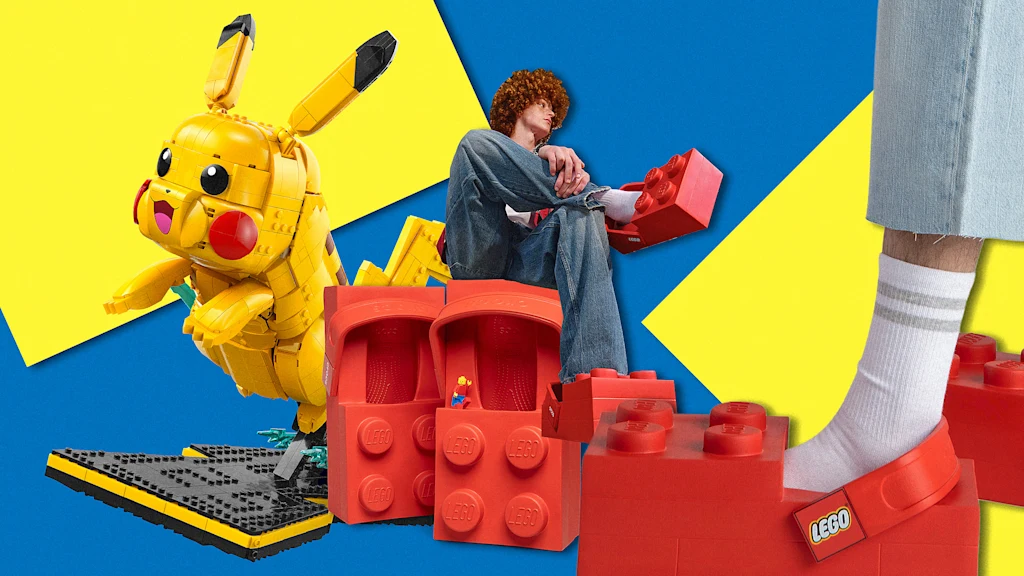
"But lately, I'm getting fed up with how hard the Danish company is pushing it. Pushing the absurd licensing deals. Pushing nostalgia. Pushing the gigantic sets that adults want, kids dream of, but so many parents can't afford. And sure. I can't really blame Lego for wanting to make money. It's a private company, and they are in the business of, you know, selling stuff. But by pushing so hard in every department, Lego risks brand exhaustion."
"Rationally, there's a definitive appeal in the engineering of building complex designs from very simple pieces. Culturally, Lego is iconic on its own and often becomes entangled with other iconic brands, from Star Wars to Harry Potter. Sensorially, the touch, the clickity-clack-click of the building experience itself brings calm and anchors you to the present, making you forget problems and worries."
Lego evokes powerful emotional, rational, cultural, and sensory appeal through childhood memories, engineering simplicity, iconic cross-branded sets, and tactile building experiences. Personal experiences with family building together underscore the emotional resonance. Recent company strategies emphasize aggressive licensing deals, nostalgia, and very large expensive sets that attract adults but strain many parents financially. The commercial push across multiple fronts increases the risk of brand exhaustion and consumer fatigue. The abundance of Lego in everyday life heightens the feeling of saturation for some collectors and parents. Strong affection for the brand coexists with frustration over perceived overreach and commercialization.
Read at Fast Company
Unable to calculate read time
Collection
[
|
...
]