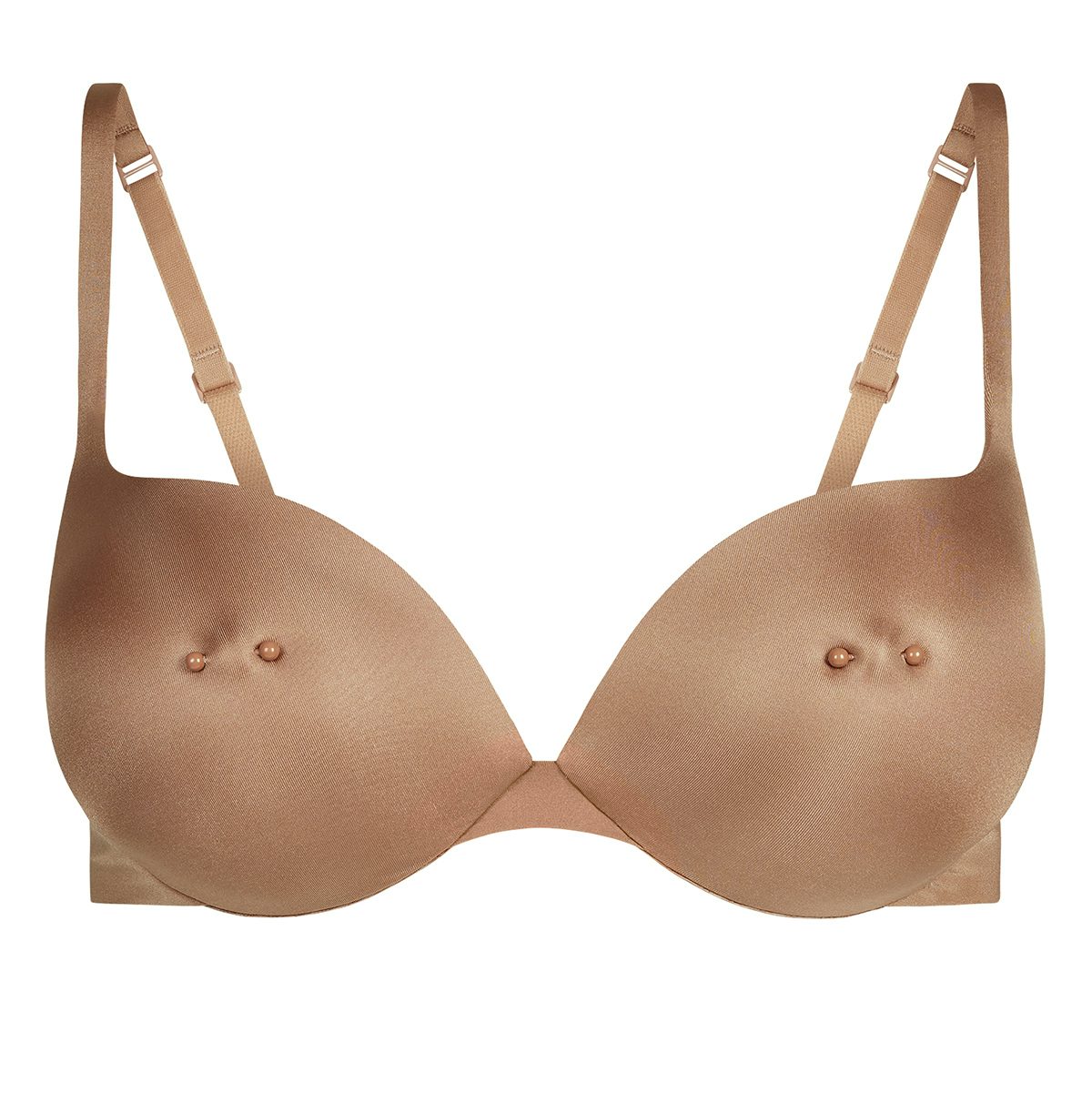
Stunt-like product launches act as cultural signals that help brands cut through a crowded, attention-fragmented market. Consumers increasingly choose brands and products that align with the identity they hold or want to project. Fandom-driven strategies combine emotion, identity and community and require active participation—people talking about, buying, or creating content around a product—to convert initial attention into sustained obsession. A stunt or novelty can ignite interest, but the product itself must be real and commercially viable to retain engagement. Launches designed to invite participation can create cultural traction and long-term consumer loyalty.
"Products need to behave like cultural signals, and that comes off the back of an increasingly common shift in behaviour, which is that consumers are choosing brands and products that align with their identity, or at least the identity they want to project,"
"Obviously, that means there's a lot of cultural noise going on and attention is more fragmented than ever. So brands are having to come up with more ways to prove that whatever it is they're launching, or what they stand for, fits the identity [of] those consumers."
"To make an obsession, you need participation - whether that's people talking about it, buying it, or making their own content about it. It takes real people to bring it into the world to create that positioning,"
"The stunt or product is just a spark - the obsession is the thing that lands and sets it alight. For us, it's about figuring out what that thing might be."
Read at Creative Review
Unable to calculate read time
Collection
[
|
...
]