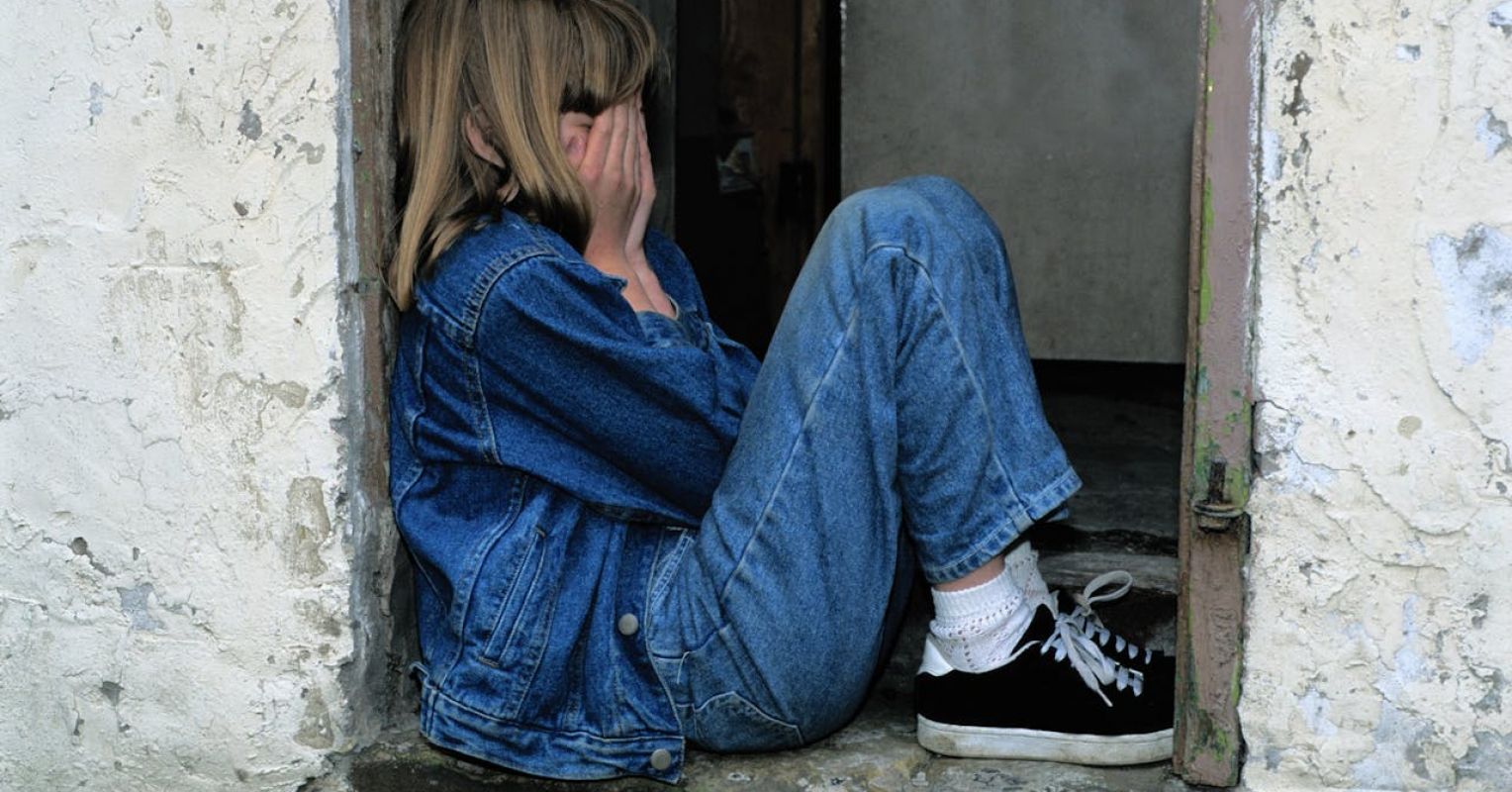
"Unfortunately, children are too often emotionally abused. These children grow to be adults who may have lasting symptoms and dysfunctions. These adults commonly do not recognize as emotional abuse the treatment they received as children. In fact, one of the common consequences of emotional abuse is a deep-seated sense of self-blame, which makes it difficult to assess what happened to them."
"Emotional abuse is not yet fully defined by the American Psychological Association, but there is a great deal of research being done. Rather, the APA has generally defined emotional abuse (both to adults and children) by its common behaviors. They name these as verbal abuse; intimidation and terrorization; humiliation and degradation; exploitation; harassment; rejection and withholding of affection; isolation and excessive control."
Emotional abuse is a quiet, frequently unrecognized form of harm that can have devastating consequences and often accompanies other types of abuse. Children are commonly subjected to emotional abuse and may grow into adults with lasting symptoms and dysfunctions. A deep-seated sense of self-blame often prevents accurate recognition of the abuse. Perpetrators frequently use lies, scapegoating, and gaslighting, which blur boundaries between abuser and abused. The American Psychological Association categorizes emotional abuse through behaviors such as verbal abuse, intimidation, humiliation, exploitation, rejection, withholding affection, isolation, and excessive control. Common parental patterns include shaming minor infractions and using degrading verbal attacks.
Read at Psychology Today
Unable to calculate read time
Collection
[
|
...
]