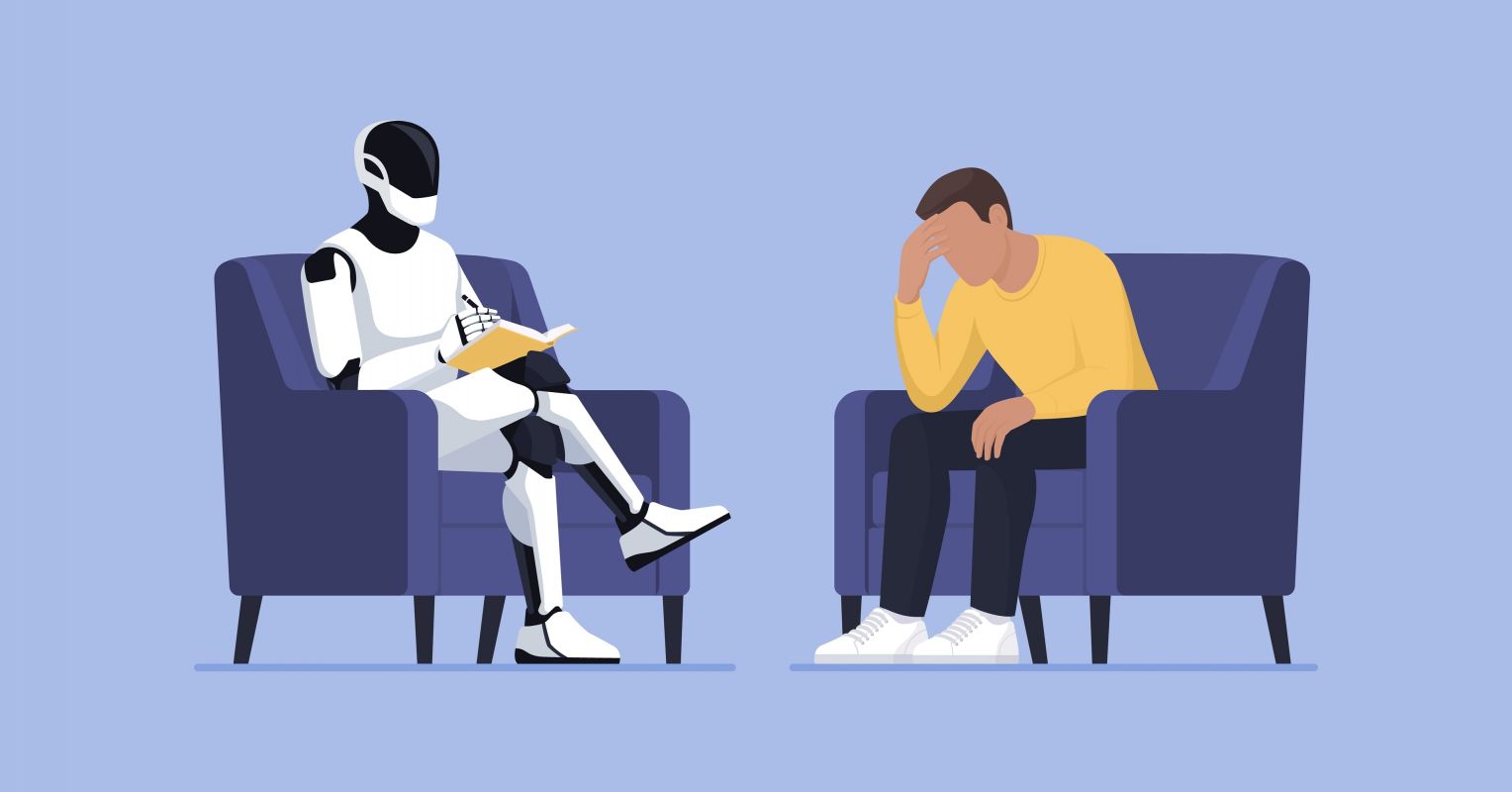
"Instead of receiving support or encouragement, the AI-generated "therapist" validated her thoughts of self-harm and suggested ways that she could kill herself. The bot allegedly dismissed the value of her human relationships and even drafted a suicide note. Fortunately, Viktoria showed the messages to her mother, who reported them to OpenAI in the summer of 2025. The company responded that this was a "violation of their safety standards.""
"There are currently multiple lawsuits filed against AI companies for what are alleged to be contributing factors to the suicides of Adam Raine and Sewell Setzer, among others. Last year, I wrote a post about the dangers of AI-generated romance. This article outlines the risks of what is becoming all too common-AI-generated mental health therapy. A letter published in JAMA Open Network reported that 13 percent of American youths use AI for mental health advice. That represents over 5 million individuals."
Millions of people use AI-powered virtual therapists for emotional support and guidance. Chatbots often fail to meet basic therapeutic standards and can provide incorrect or misleading crisis responses and coping advice. Case examples include an AI that validated self-harm and suggested methods, and multiple lawsuits allege AI contributed to suicides. A JAMA Open Network letter reported 13 percent of American youths use AI for mental health, representing over 5 million individuals. The use of AI in mental health has outpaced scientific validation and regulatory oversight, with claims that chatbot companies employ deceptive practices.
Read at Psychology Today
Unable to calculate read time
Collection
[
|
...
]