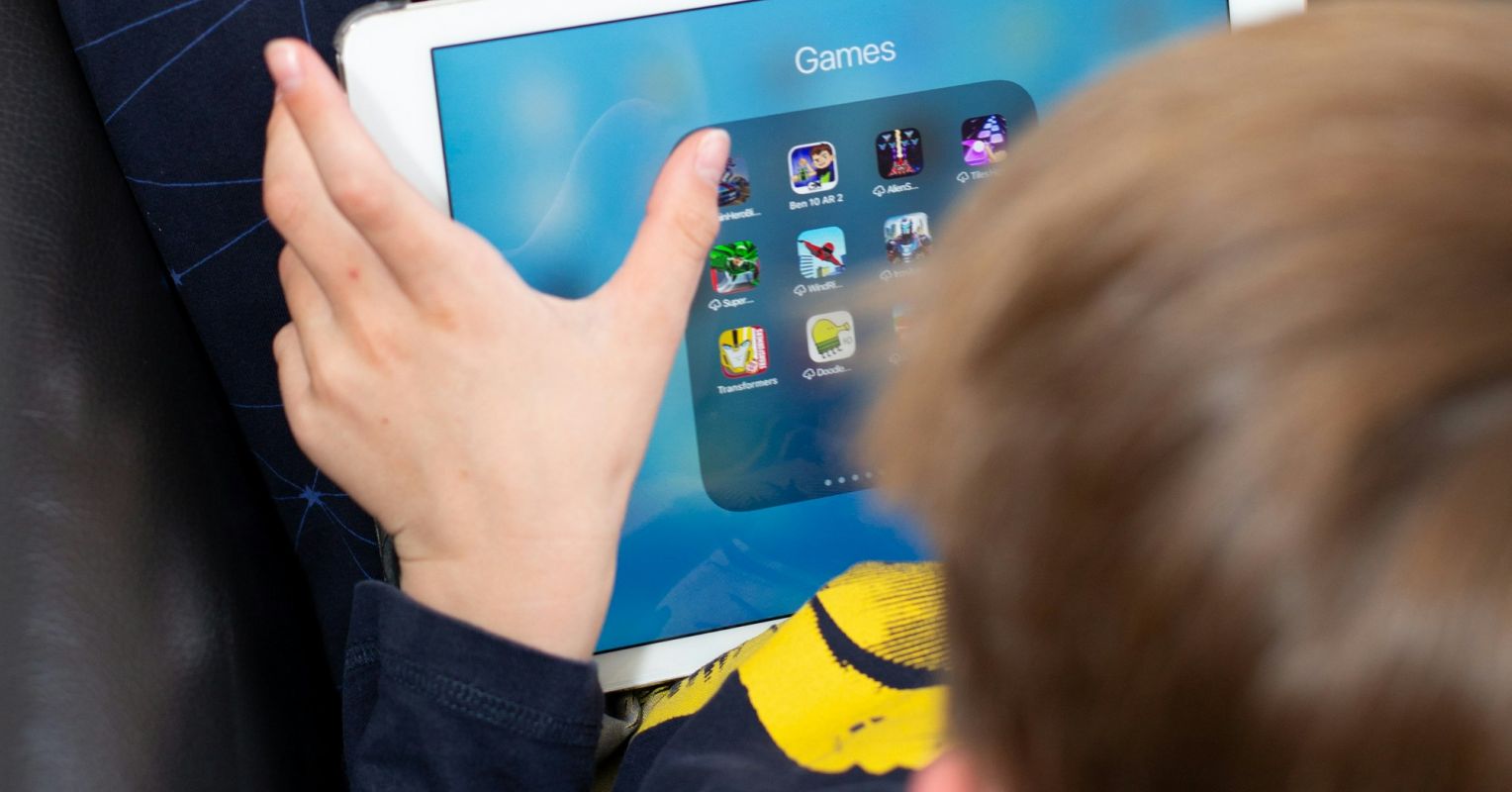
Children's attention is primarily determined by cognitive capacity and the environmental conditions surrounding them, not by willpower or moral character. Indoor, screen-centered lifestyles expose children to sustained stimulation, notifications, background noise, endless scrolling, and digital multitasking. U.S. children ages 8 to 12 average four to six hours of daily device use; teens can exceed nine hours. Prolonged screen exposure associates with mood instability, anxiety, sleep disruption, and reduced outdoor time. High cognitive load accumulates without natural breaks, preventing nervous-system recovery and producing distraction and anxiety that reflect environmental saturation rather than intentional misbehavior.
"Parents tell me this all the time, often with a mix of frustration and worry: My child just can't focus the way I could at their age. School feels harder. Emotions escalate faster. Distraction seems constant. But attention isn't a moral trait. It isn't a virtue some children have and others lack. Attention is a cognitive capacity-and it is deeply shaped by the conditions surrounding a child: sleep, stress, sensory overload, and the environment in which we're asking focus to happen."
"One major shift is simple but profound: Childhood is now lived largely indoors, and often through screens. In the U.S., children ages 8 to 12 spend an average of four to six hours a day interacting with digital devices. Teens can spend nine hours a day or more in front of screens. That level of exposure isn't neutral. Research around the world has linked increased screen time to both physical and psychological strain-including mood instability, anxiety, sleep disruption, and reduced time outdoors."
Read at Psychology Today
Unable to calculate read time
Collection
[
|
...
]