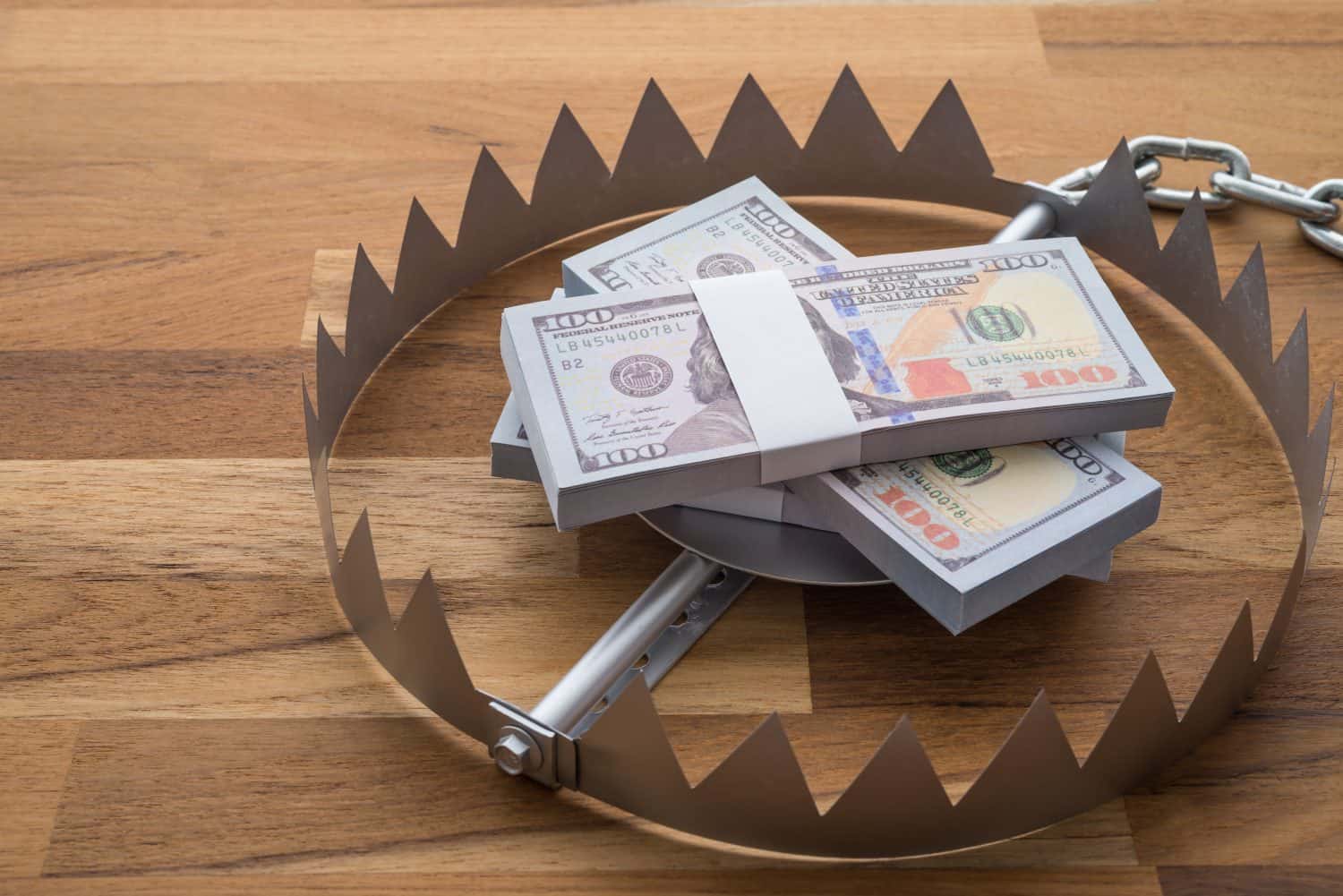
"They often have dividend yields that are either too high or too low, often paired with a roster of stocks that strip away the advantages of holding a dividend ETF in the first place. The most obvious examples are covered-call ETFs that hold tech stocks and masquerade as dividend stocks. They are not meant to be held for the long run and are essentially returning you the rally's gains as yield."
"The trap lies in the stocks they hold, and the dividend yield produced by those holdings. If you have a low dividend yield, stocks that don't grow that dividend yield fast enough, and a top-heavy structure, it's not worth holding."
"Wall Street no longer wants to pay a rising premium for these stocks, and it sees a murky future instead. On the other hand, dividend stocks are increasingly becoming promising as they give you income, plus a defensive footing."
Dividend ETFs like HDV and SPYD have attracted billions in capital as growth stocks face valuation pressures and dividend stocks offer defensive income. Dividend stocks have become competitive against Treasuries as interest rates decline. However, not all dividend ETFs are equally attractive. Poor dividend ETFs feature yields that are too high or too low paired with stocks that undermine the benefits of dividend investing, such as covered-call ETFs that cap capital gains. HDV and SPYD differ in their underlying stock composition and dividend characteristics. While HDV shows strong year-to-date performance and a 2.89% yield, structural issues make it less suitable than SPYD for long-term dividend investors seeking consistent dividend growth.
Read at 24/7 Wall St.
Unable to calculate read time
Collection
[
|
...
]