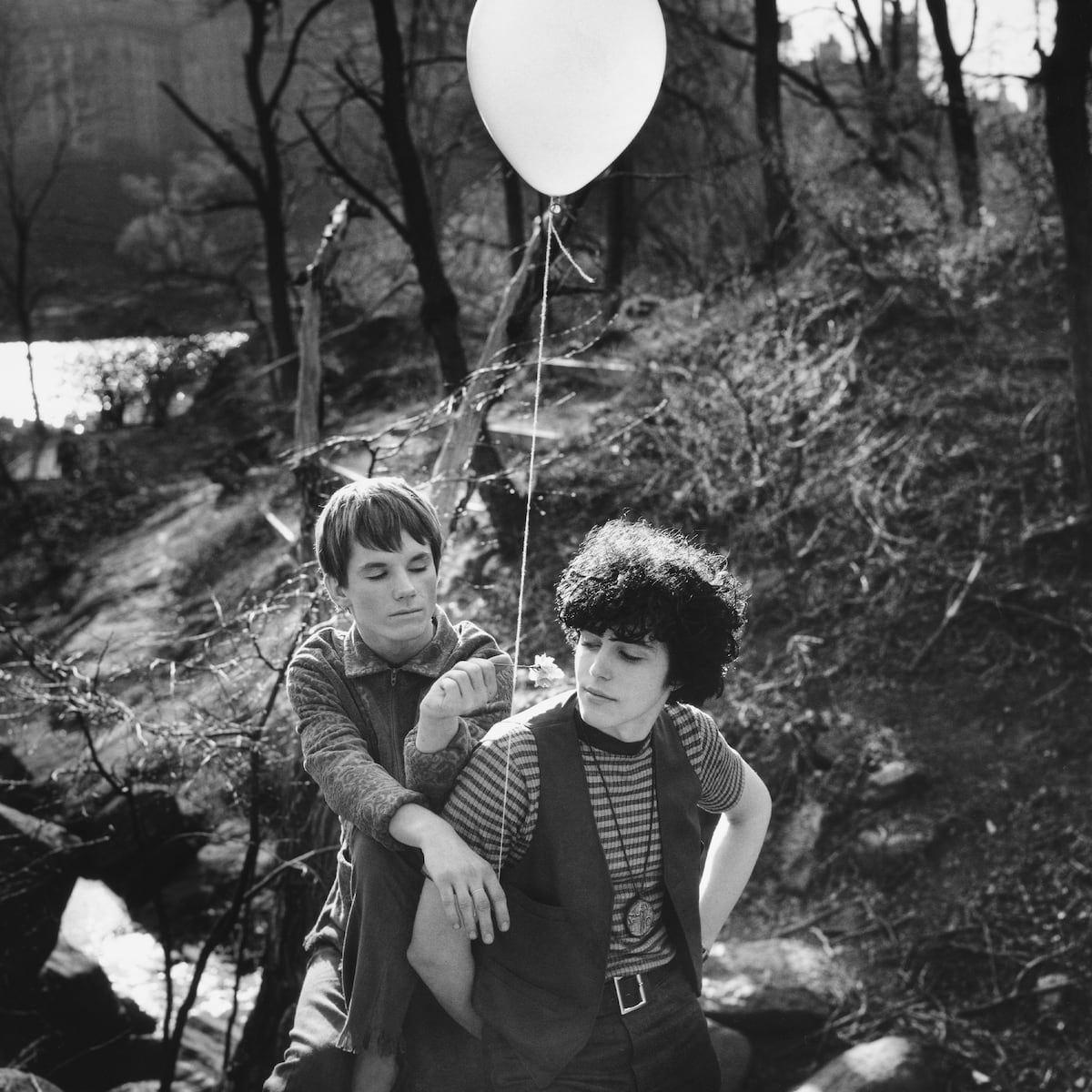
"It was like a small gay islet. I went there for a bit of nature and silence but also to cruise. One day, I took my camera. At first, I photographed people from afar, among the trees. Then I started approaching people sitting on rocks or benches to take portraits. Of course, many said no. At that time being gay was illegal; they might have been married or teachers."
"Black and white film was key to Tress' work, and the shots taken in the Ramble are among the best examples of this artist's career which spanned more than 60 years: It felt more graphic and better captured the mood I wanted to convey. At that time, work that acted as social commentary in the world of graphic arts was often in black and white."
"When I started with this project, it was the middle of winter, the trees had lost their leaves and the place looked like a Gothic forest, almost like an Ingmar Bergman movie. That became a metaphor for the alienation of gay people at the time, and I think these weren't just snapshots: I was trying to evoke an emotion."
In 1969, photographer Arthur Tress, then 29 years old, began documenting the Ramble section of Central Park in New York City. The Ramble, originally designed by Frederick Law Olmsted in the 1890s as a wild area within the park, had become a cruising ground for gay men since the 1920s. During a period of financial crisis and park neglect in New York City, Tress used black and white film to photograph people in this secluded area. He initially photographed from a distance before approaching subjects for portraits, though many declined due to the illegality of homosexuality at the time. Tress intentionally used black and white photography to create graphic, emotionally evocative images that served as social commentary, capturing the alienation and hidden nature of gay life during this era.
Read at english.elpais.com
Unable to calculate read time
Collection
[
|
...
]