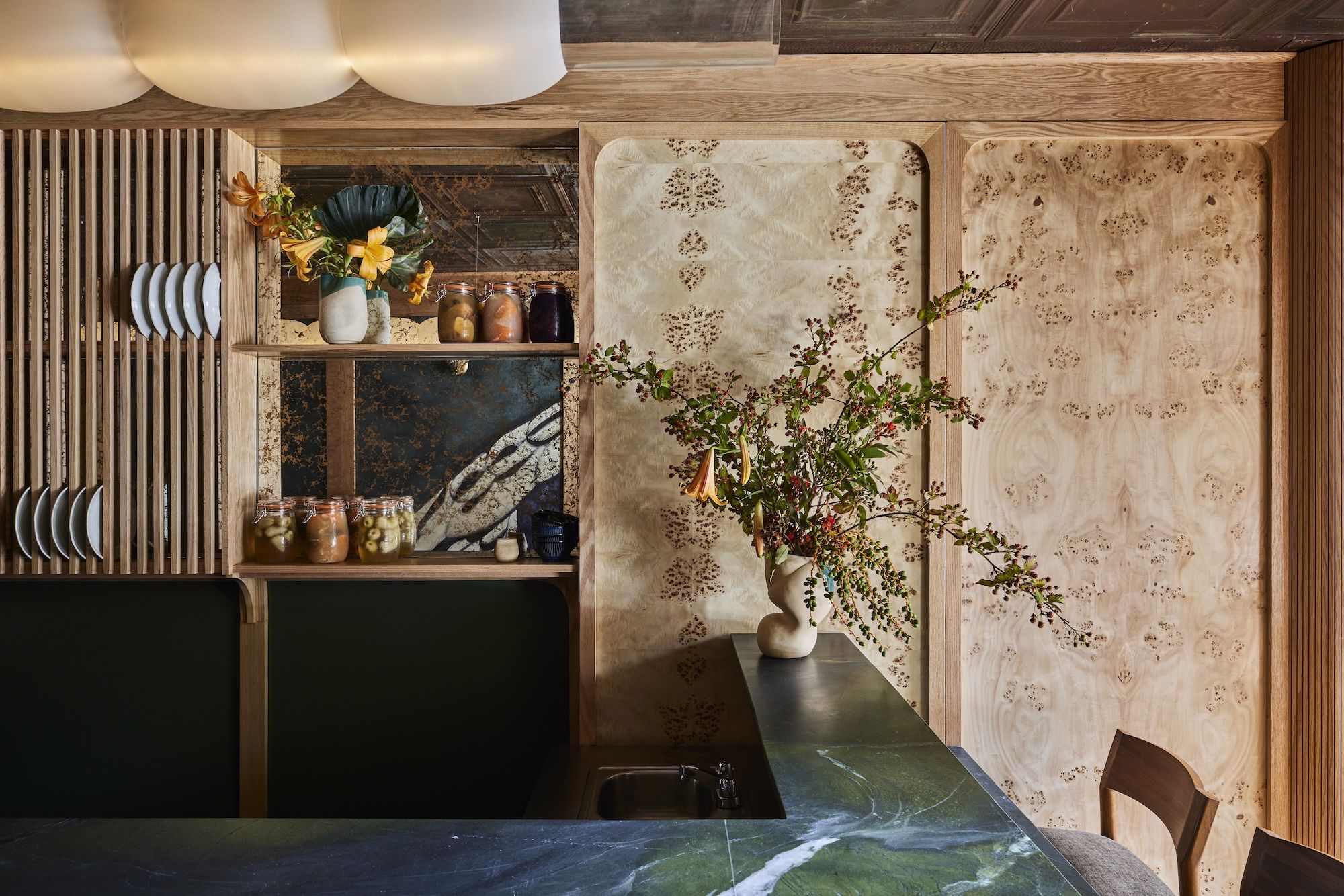
"Omakase differs from kaiseki in its more direct interaction with the chef, who typically talks guests through each dish and its ingredients as it is served. These intimate experiences can span up to 22 bite-sized courses, prepared and presented by the chefs directly at the counter for as many as 20 diners, or as few as just six."
"Japanese cuisine first gained widespread favour in the US in the early 1980s, amid an economic boom and a growing cultural curiosity. Today, a renewed fascination with Japan as a travel destination - fuelled by a weak yen and a post-pandemic appetite for culture - is filtering back into American cities, in a manner as decadent as it was 40 years ago."
"A wave of omakase-style restaurants has opened across New York City in recent years, each offering a highly stylised gastronomic experience within carefully crafted interiors that elevate the meal."
New York restaurants are trending toward smaller, more intimate and exclusive venues, with omakase emerging as a fashionable Japanese dining style. Omakase centers on personalized, multi-course meals featuring the freshest seasonal ingredients, distinguished by direct chef interaction and typically spanning up to 22 bite-sized courses served at counters accommodating 6 to 20 diners. Japanese cuisine gained initial popularity in the US during the early 1980s economic boom. Today, renewed fascination with Japan as a travel destination, fueled by a weak yen and post-pandemic cultural appetite, has sparked a wave of omakase restaurants opening across New York City. These establishments offer highly stylized gastronomic experiences within carefully crafted interiors that elevate the dining experience.
Read at Wallpaper*
Unable to calculate read time
Collection
[
|
...
]