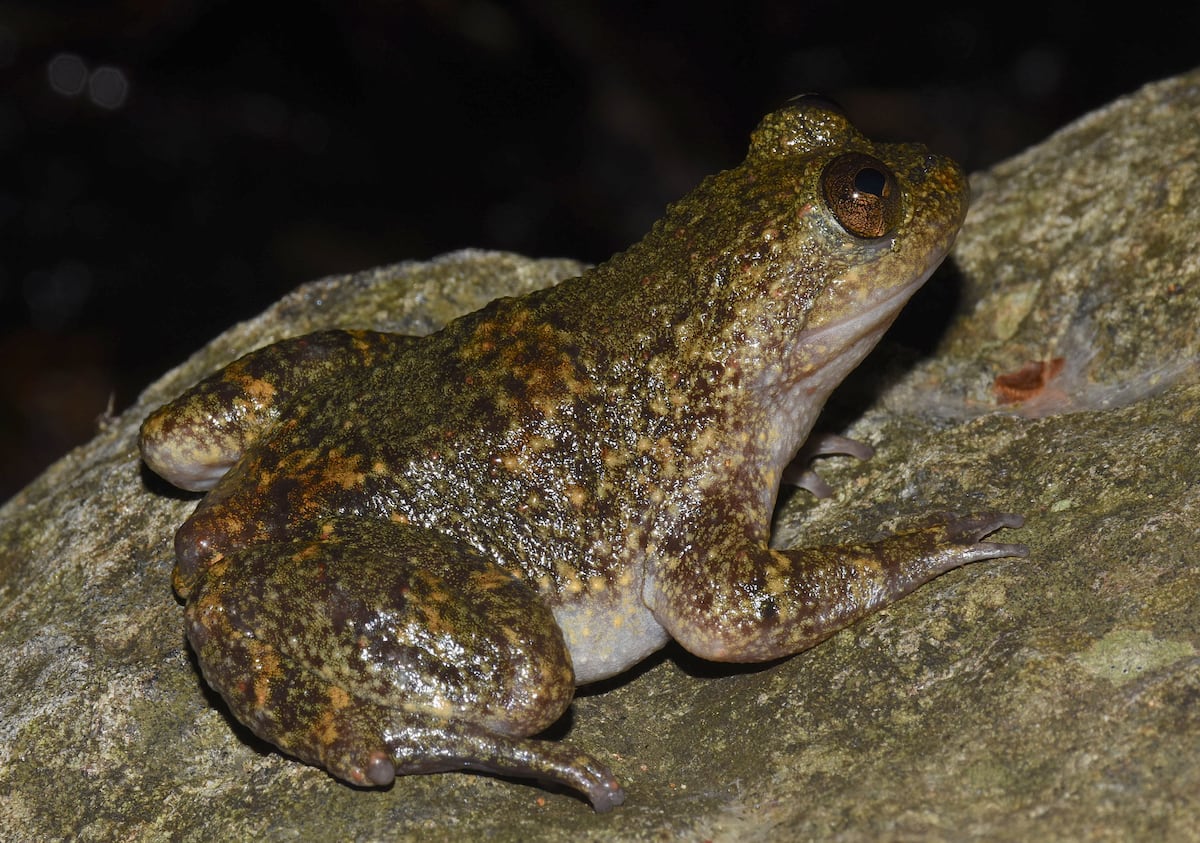
"Ignacio de la Riva, a herpetologist at the Spanish National Museum of Natural Sciences, has dedicated a significant part of his career to studying Andean frogs, which are now threatened by chytridiomycosis, a global disease caused by a fungus."
"The few available observations indicated that the females of Barbourula busuangensis carried large, unpigmented eggs, an unusual trait in amphibians, suggesting a unique reproductive strategy."
The 18th and 19th centuries represented a golden age for natural history, driven by naturalists and explorers who sought to classify life globally. They collected diverse specimens, enhancing European understanding of the natural world. Today, scientists like Ignacio de la Riva continue this exploration, focusing on Andean frogs affected by chytridiomycosis, a devastating fungal disease. After witnessing possible extinctions, he shifted his research to the Philippines, where he studies Barbourula busuangensis, a primitive frog with unique reproductive traits, highlighting ongoing biodiversity research.
Read at english.elpais.com
Unable to calculate read time
Collection
[
|
...
]