"You ran because you liked running. We watched films because we liked them. We read books because we fancied reading books. These activities stitched meaning into the fabric of daily life. But today, there's a relentless insistence that leisure needs to justify itself in order to be valid. The pressure to find niche hobbies and interests against which to identify ourselves has, Mina Le argues, become an ego problem - one which ultimately feeds an 'individualistic neoliberal culture that makes community organising so much harder.'"
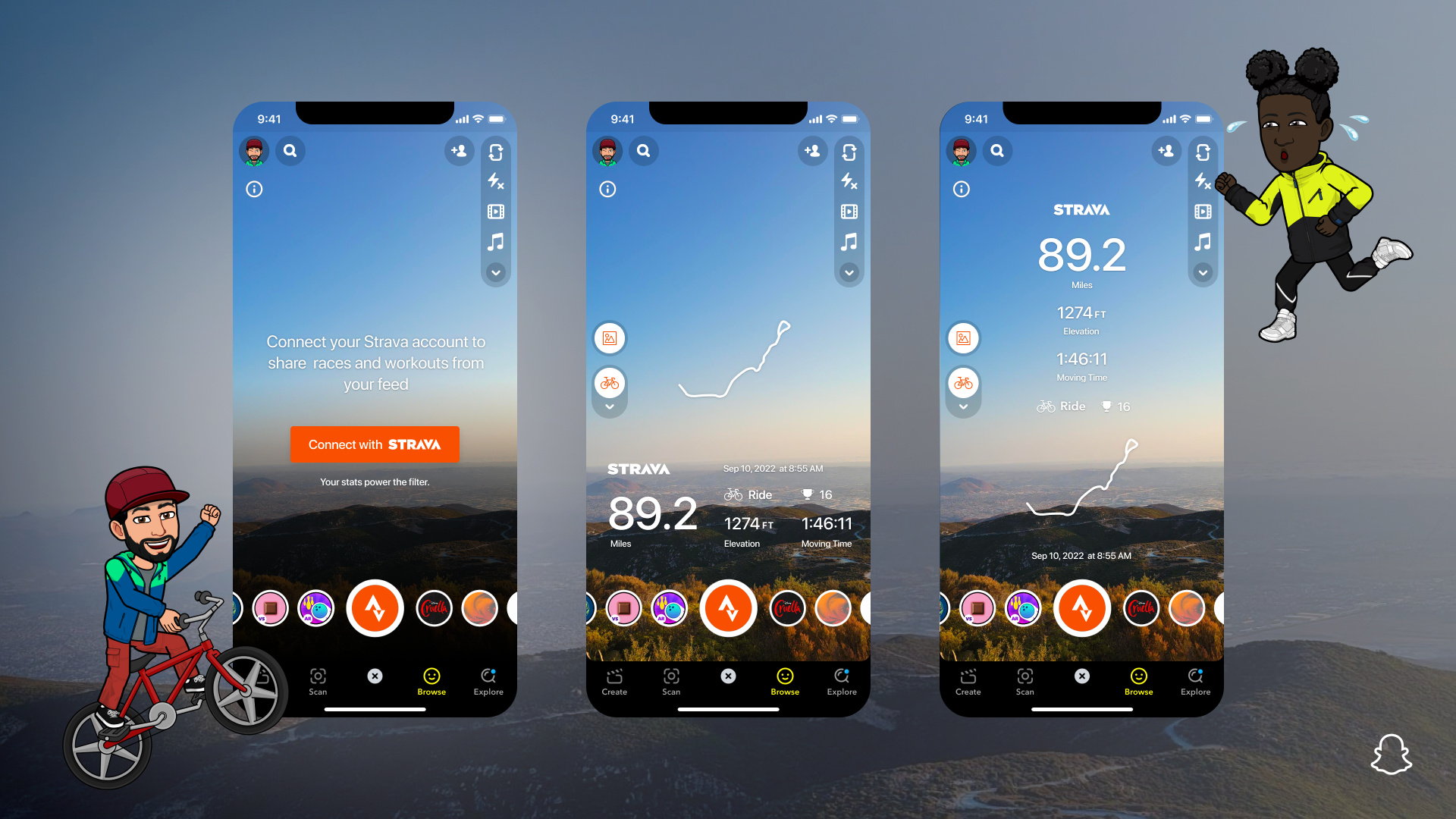
"Just look at tracking apps. An entire industry has emerged to help us monitor our leisure time in the same way we might track progress at work. Platforms like Strava, Letterboxd and Goodreads have become social media phenomena, reframing our free time as performance and, often, a way to make money. There are thousands of influencers who've built public profiles off the back of their activity on these apps."
Leisure activities have shifted from private enjoyment to performative pursuits that must justify themselves. People feel pressured to adopt niche hobbies to signal individuality, yet those interests are rapidly standardized and monetized. Social platforms and tracking apps recast free time as measurable progress and public performance, enabling influencer economies and surveillance. Capitalism leverages individualism to fragment collective identity, making community organizing more difficult. The demand to do hobbies 'right,' differently, or publicly transforms leisure into competitive display and erodes spontaneous, communal forms of meaning-making. The marketed promise of freedom masks increased standardization, monitoring, and commercial instrumentalization of personal interests.
Read at Thred Website
Unable to calculate read time
Collection
[
|
...
]