#community-organizing
#community-organizing
[ follow ]
#immigration-enforcement #mutual-aid #minneapolis #immigration #lgbtq-activism #ice-raids #chicago #activism

#immigration

fromwww.theguardian.com
2 months agoSocial justice
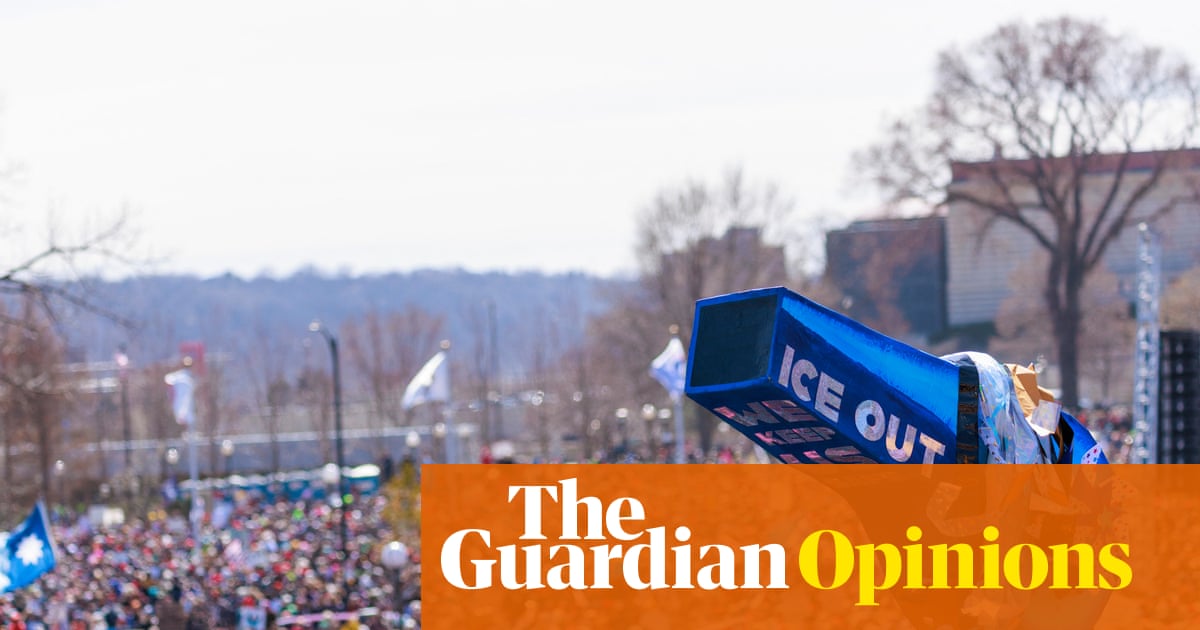
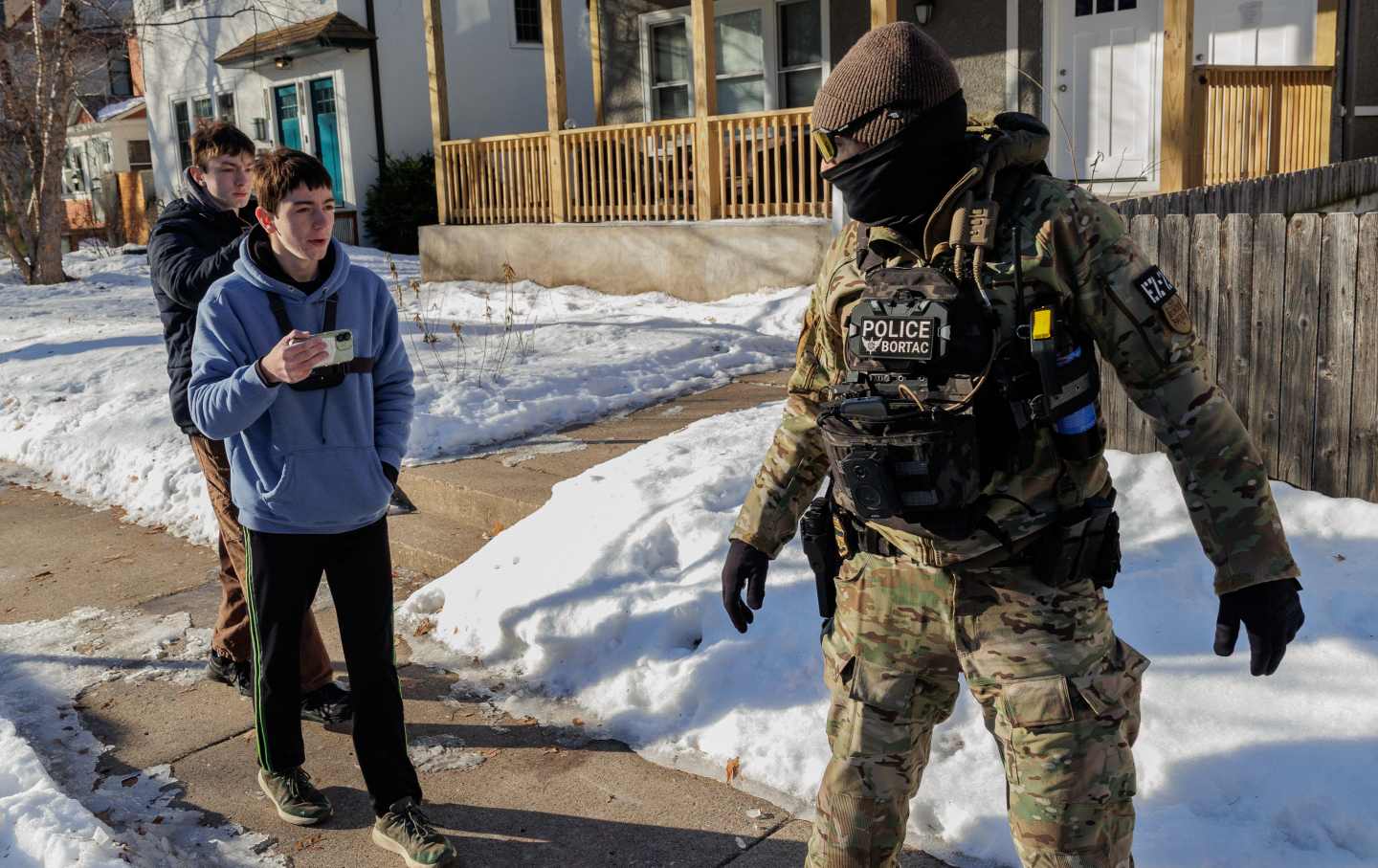
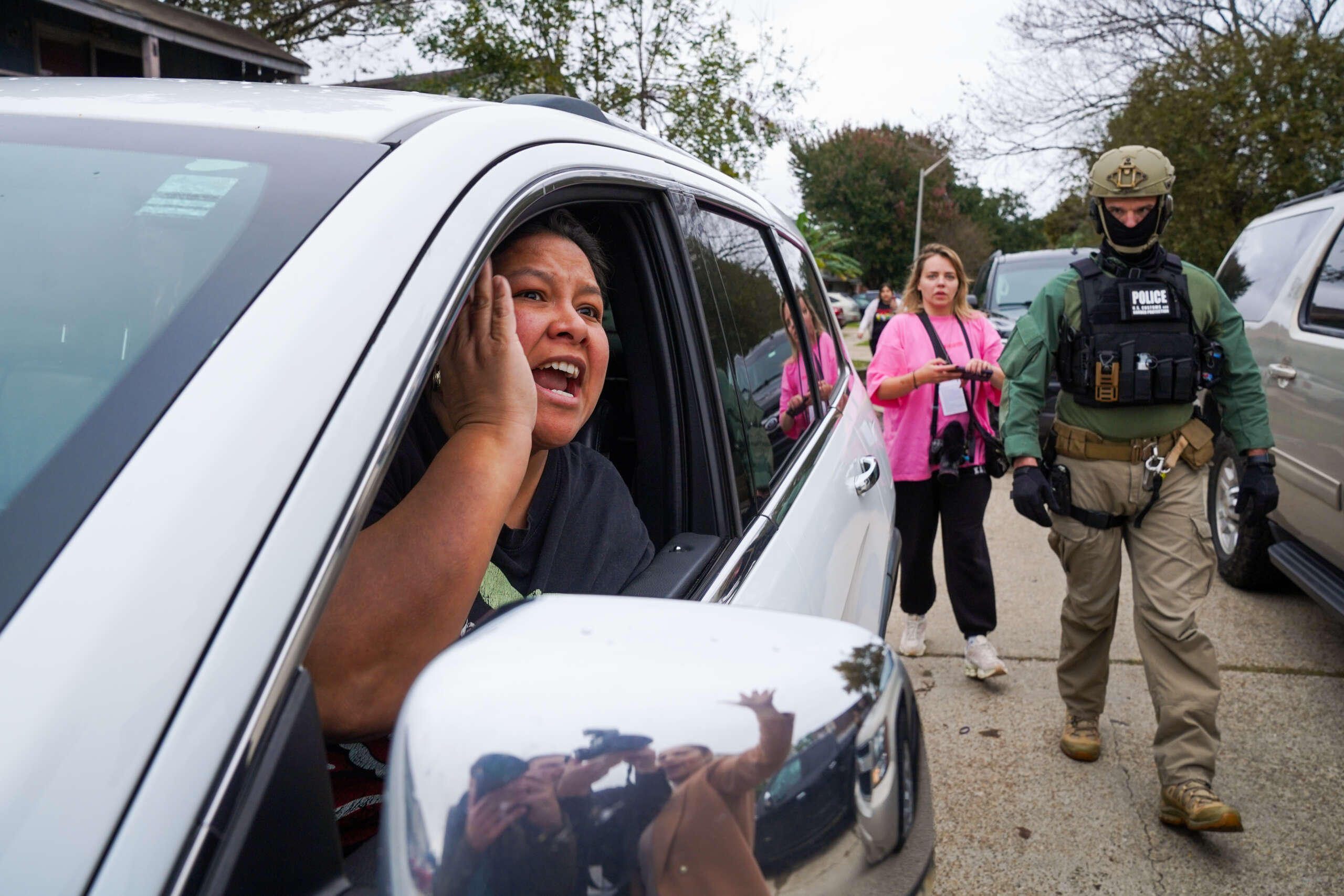
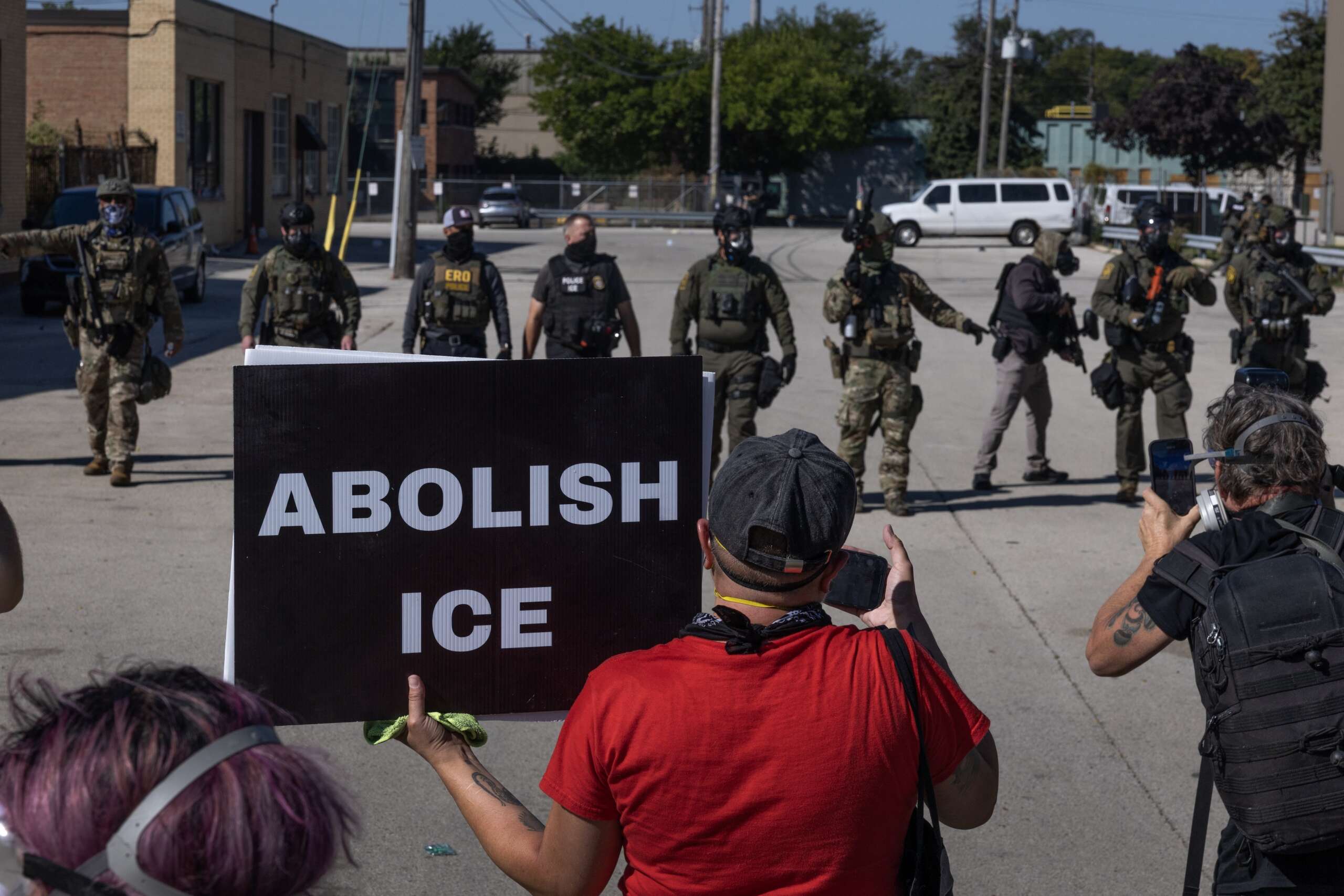
Whistles are a symbol of resistance amid Trump's ICE crackdown. Some say they hurt more than they help
Whistles serve as community alerts against ICE but provoke debate as some organizers warn they cause panic and confusion while others emphasize tactical adaptability.
#philanthropy


NYC LGBT
fromNonprofit Quarterly | Civic News. Empowering Nonprofits. Advancing Justice.
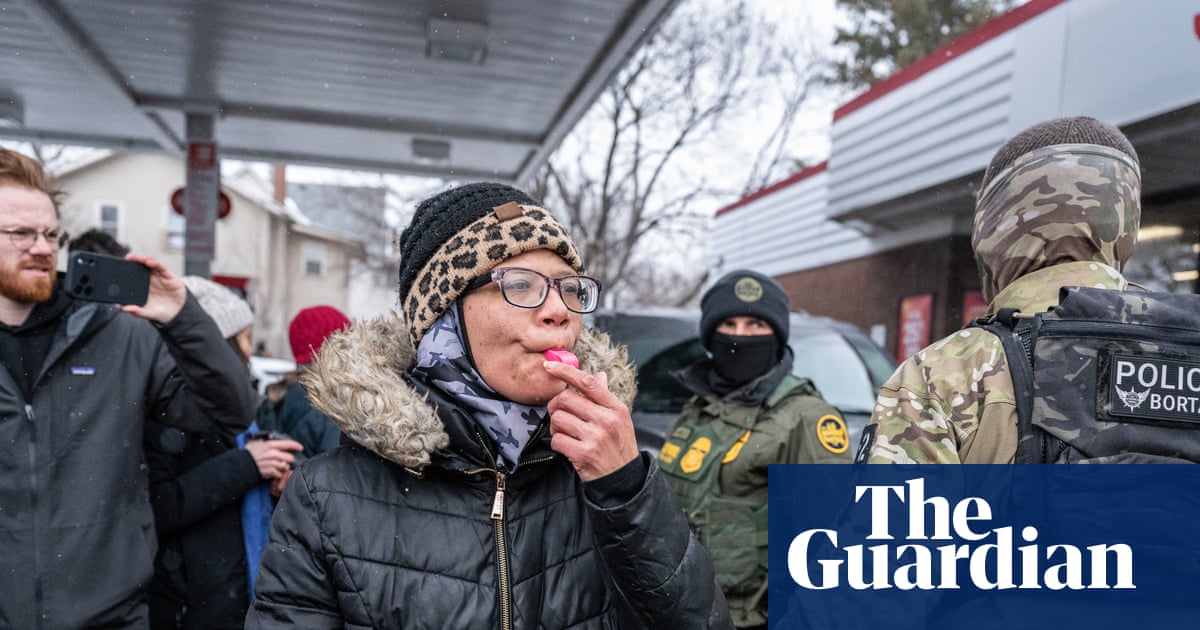
3 weeks agoPepper Spray and the Courage to Stay | Nonprofit Quarterly | Civic News. Empowering Nonprofits. Advancing Justice.
Philanthropy and wealth work reveal insights about power, belonging, and democracy through narratives and community experiences.
Mental health
fromPsychology Today
1 month agoBlueprint for Getting a Suicide Barrier at a Jump Site
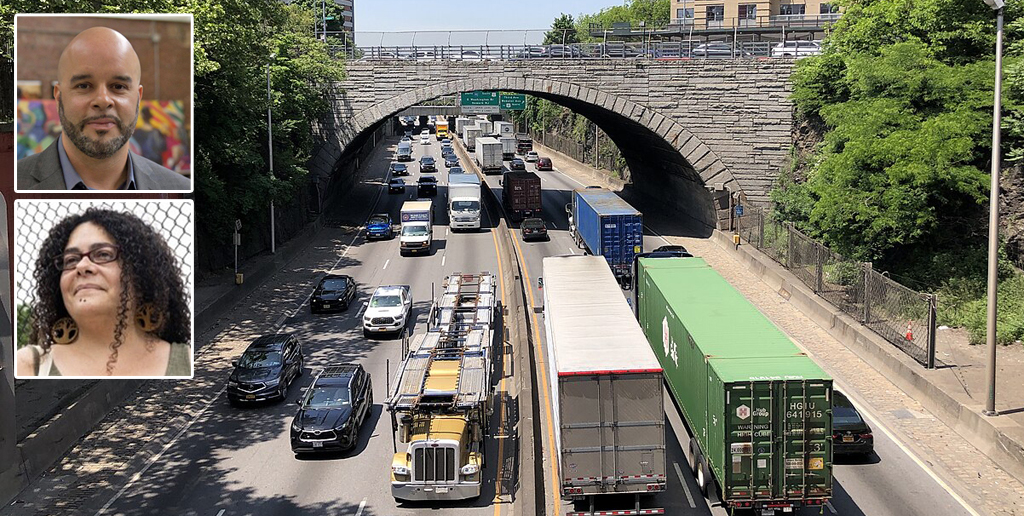
Successful suicide barrier advocacy requires concrete data, mental health professional credibility, bereaved family voices, medical examiner support, first responder involvement, and refutation of cost, aesthetics, and effectiveness objections.
NYC LGBT
fromAdvocate.com
1 month agoAt Creating Change, LGBTQ+ activists gathered to confront turbulent times
The National LGBTQ Task Force's Creating Change conference gathered 2,000 activists in Washington, D.C. to build long-term movement infrastructure and community resilience amid targeted attacks on LGBTQ+ rights.
Brooklyn
fromBrooklyn Paper
1 month ago'A Culinary Uprising: The Story of Bloodroot' screens in Greenpoint March 22 with Bechdel Project * Brooklyn Paper
A documentary about Bloodroot, a queer feminist vegetarian restaurant in Connecticut, explores food activism, feminist history, and community building through collective care practices.
Relationships
fromPortland Monthly
1 month agoFrom the Editor: Building Community Isn't Always Fun. Do It Anyway.
Proximity-based community organizing builds solidarity across differences through sustained engagement and shared material goals, fostering understanding that transcends initial disagreements.
#environmental-justice

Social justice
fromTruthout
1 month agoFighting Cancer Has Given Me New Insights on the Anti-Fascist Challenge We Face
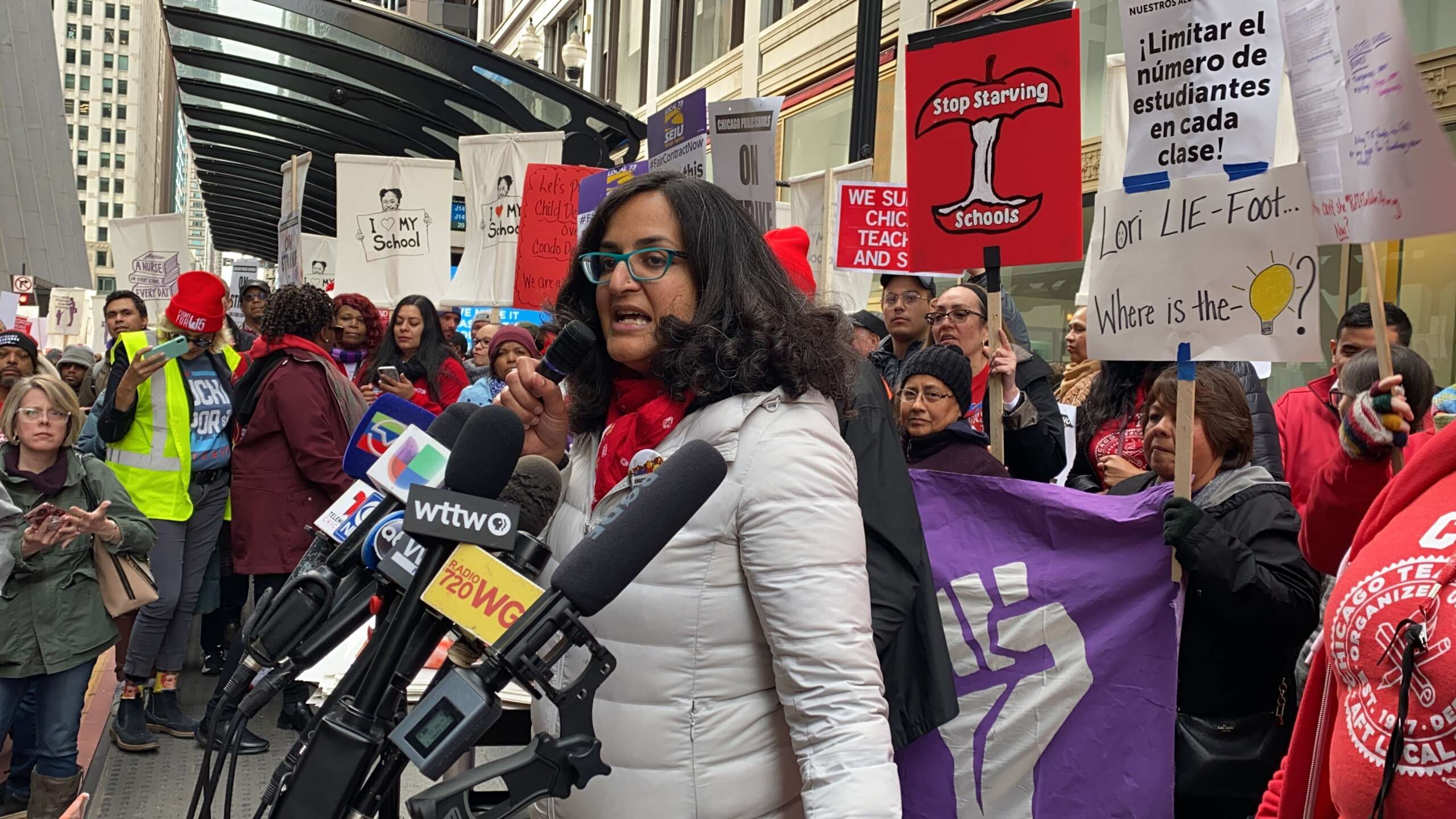
A cancer diagnosis at 15 prompted protective health decisions that ultimately led to discovering community organizing as a transformative path toward collective power and social justice work.
Left-wing politics
fromwww.theguardian.com
1 month agoJesse Jackson hailed as ambassador of hope' at memorial attended by Clintons, Obama and Biden
Rev Jesse Jackson, a civil rights activist who championed the poor for over fifty years, was remembered at his memorial as an effective organizer whose 1988 presidential campaign inspired future leaders including Barack Obama.
from48 hills
1 month agoDiamond Dave Whitaker, a San Francisco icon and legend, dies at 88 - 48 hills
Diamond D was, indeed, the first person to smoke pot with Bob Dylan. He introduced Dylan to the writing of Woody Guthrie, which Dylan freely admits changed his life. Some of Dylan's earliest songs were recorded at Diamond D's house in Minneapolis.
SF music
#immigration-enforcement



Social justice
fromNonprofit Quarterly | Civic News. Empowering Nonprofits. Advancing Justice.
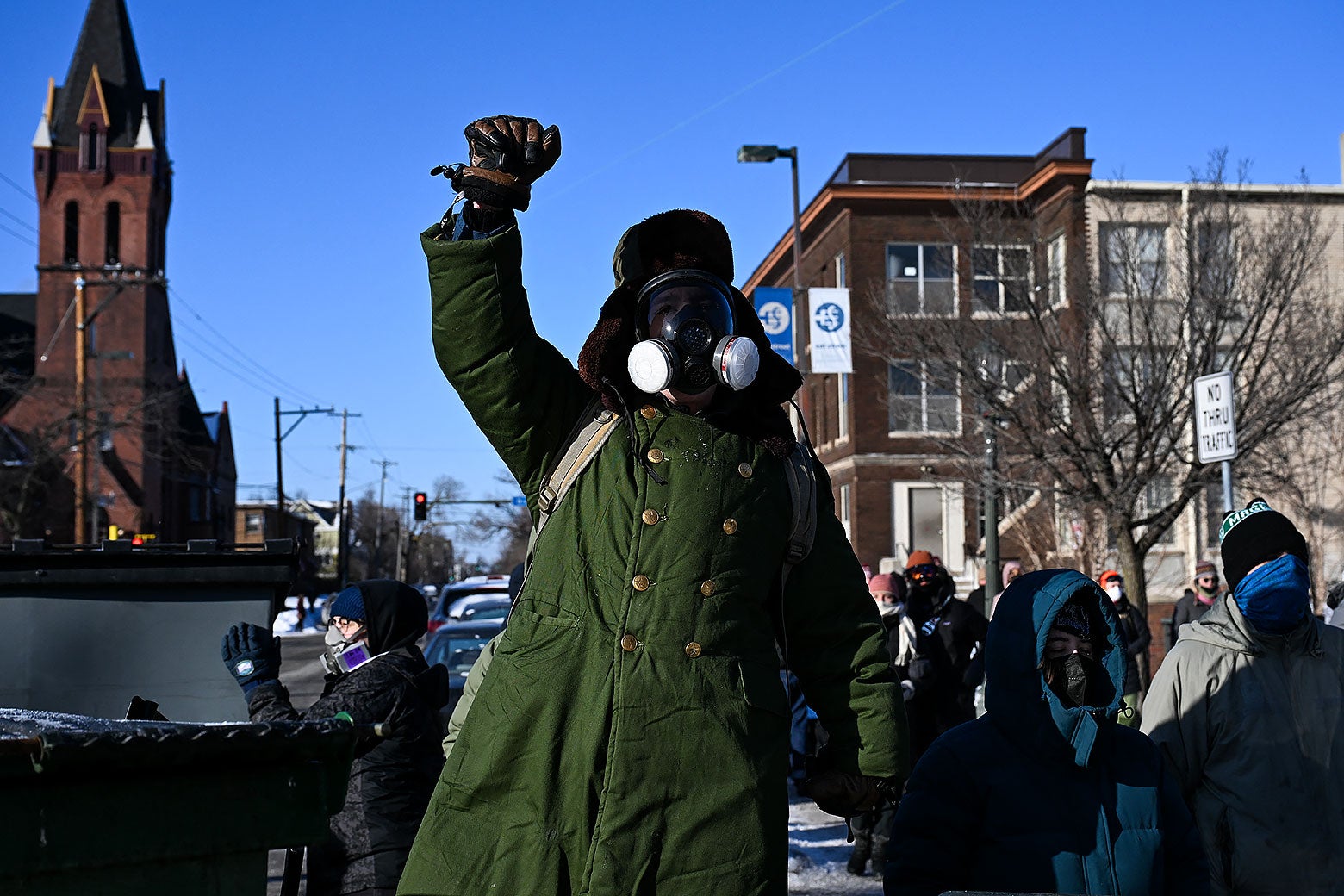
1 month agoWhat Ohio-and Other States-Can Learn from Minnesota's ICE Resistance | Nonprofit Quarterly | Civic News. Empowering Nonprofits. Advancing Justice.
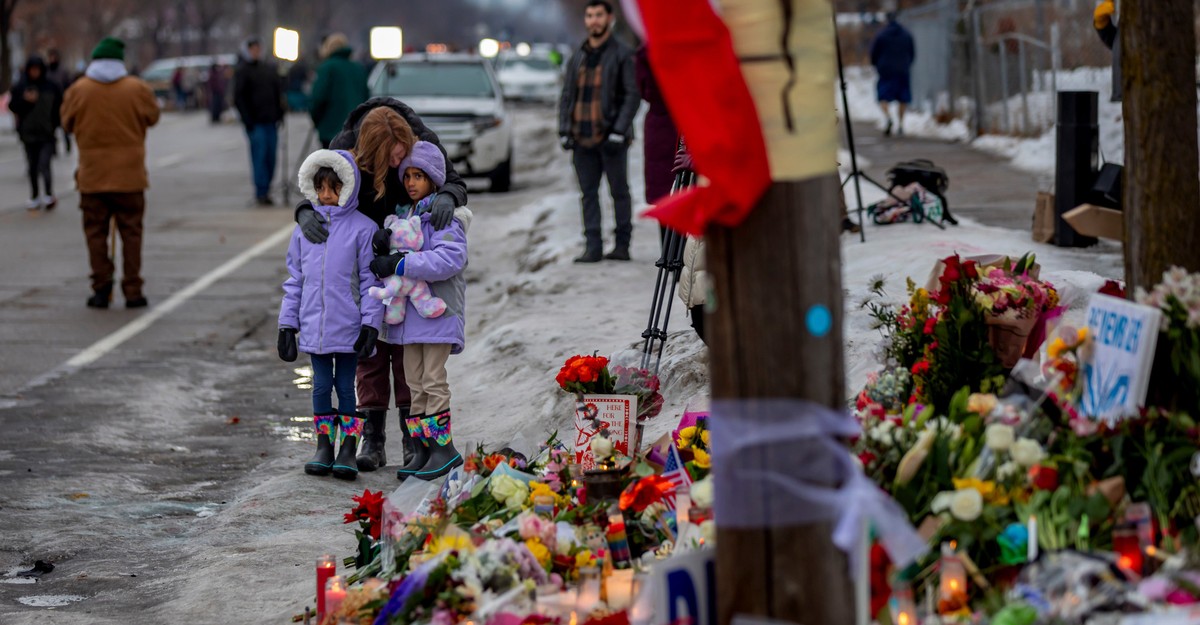
Community networks established during 2020 police violence protests rapidly mobilized in January 2026 to protect immigrants from ICE enforcement through mutual aid and information sharing.
fromwww.theguardian.com
2 months agoBlack History Month was never given' to Black people, thus, it can never be taken from us
If you know anything about the basic origins of Black History Month then you know that we weren't given' anything. The question of who owns and authorizes Black History Month holds particular relevance now, in its centennial year, and at a time when efforts to celebrate, preserve, and acknowledge Black people's past in this country are under attack.
History
Philosophy
fromThe Conversation
2 months agoMinneapolis united when federal immigration operations surged - reflecting a long tradition of mutual aid
Mutual aid networks in Minneapolis have expanded significantly in response to COVID-19, George Floyd's killing, and increased federal immigration enforcement operations.


fromBrooklyn Eagle
2 months agoBay Ridge Facebook group helps locals dig out of snow amid frigid temps
The shoveling connection was established by me in 2022 after I noticed on the Bay Ridge Talk page seeking people to shovel while also seeing separate posts about people looking for work to shovel,
Brooklyn
Social justice
fromFortune
2 months agoI've studied nonviolent resistance in war zones for 20 years and Minnesota reminds me of Colombia, the Philippines and Syria | Fortune
Organized, disciplined nonviolent community action and mutual aid can protect migrants from violent immigration enforcement but requires courage and carries real risk.
fromThe Mercury News
2 months agoKnow Your Rights training to be held in Los Gatos on Feb. 7
After this news organization confirmed that Immigration and Customs Enforcement officers will be present during the Super Bowl on Feb. 8 at Levi's Stadium in Santa Clara, the coalition said in an email that they believe it's important for the community to engage and get involved to prepare for any violent clashes between South Bay residents and federal officials. The training will be hosted by Amigos de Guadalupe, a San Jose-based nonprofit that focuses on housing support, immigration services and other education and advocacy programs.
Social justice
US politics
fromLos Angeles Times
2 months agoAmid immigration raids, a coalition of U.S. leaders gather in L.A. to share resistance strategies
Immigration raids in Los Angeles prompted community organizers and officials to coordinate rapid communication and response networks to protect residents and children.
fromLGBTQ Nation
3 months agoEven after 38 years, the Creating Change conference matters now more than ever - LGBTQ Nation
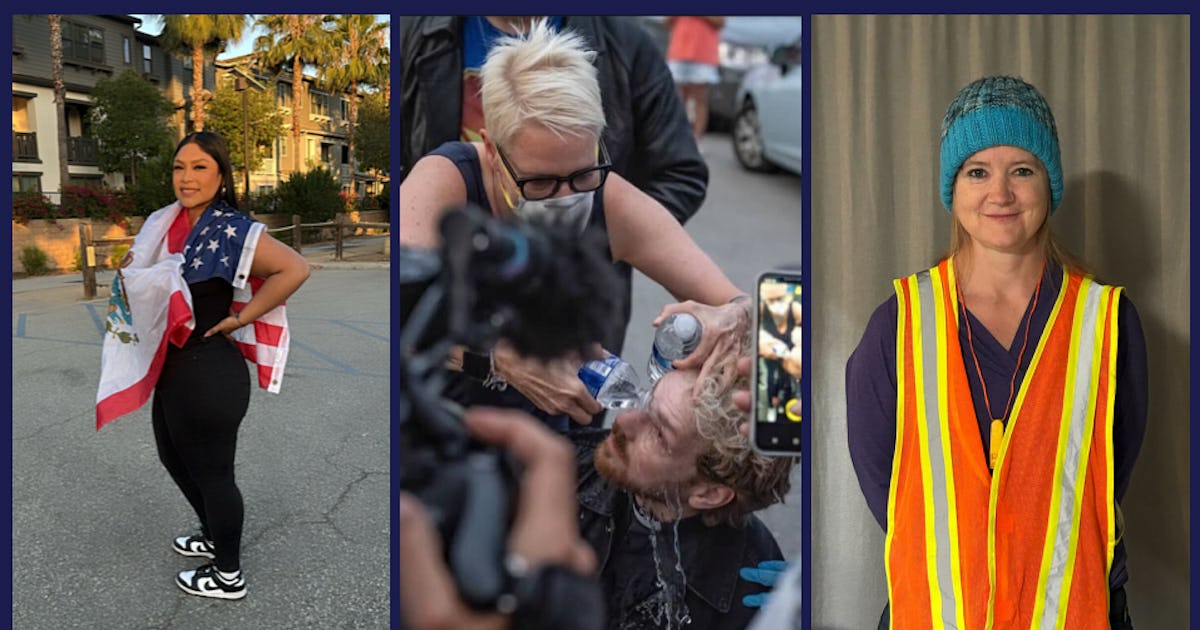
Over 2,000 queer activists and organizers from across the U.S. descended on Washington, D.C., last week to attend Creating Change, the nation's foremost political, leadership, and skills-building conference for the LGBTQ+ movement. The event marked the conference's 38th annual gathering since it began in 1988. If you've never been, the six-day conference features over 100 workshops and caucuses, day-long identity-based institutes led by community educators, keynote presentations by distinguished activists, and awards ceremonies honoring trailblazing queer civil rights pioneers.
LGBT

US politics
fromPortland Mercury
4 months agoTHE BLACK BYLINE: Top 10 Takeaways from 2025, A Wild Year in Portland
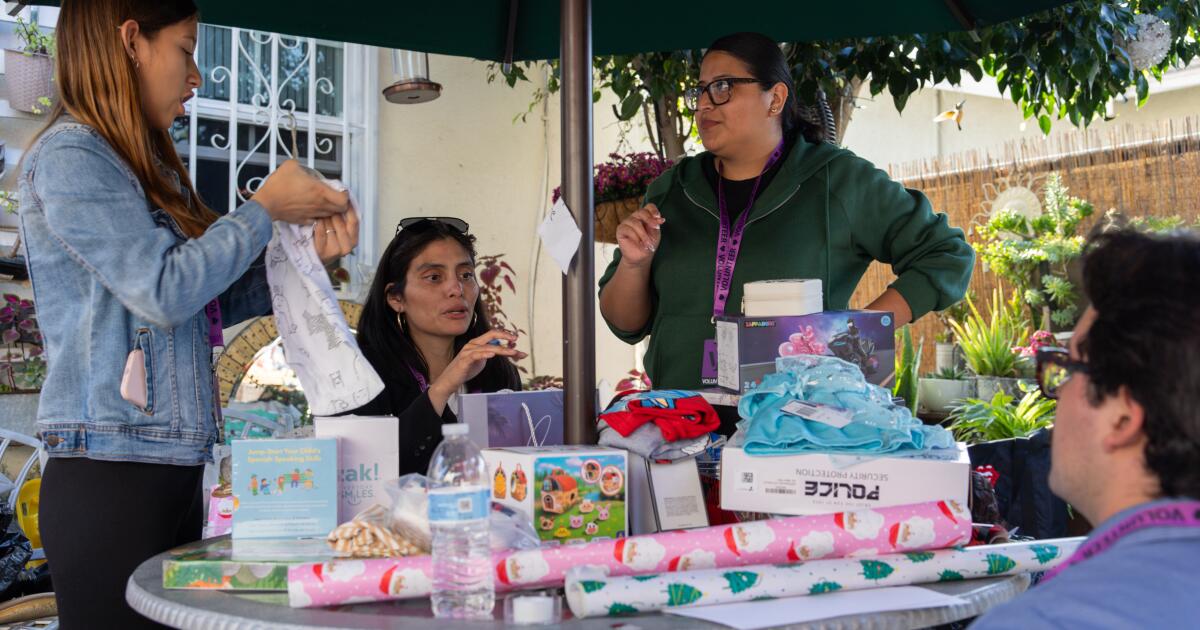
Portland mobilized to reclaim 2020's racial-justice legacy, resisted mischaracterization, and used creative protests and community projects to advance Black-led reclamation and civic accountability.

fromThred Website
4 months agoHow capitalism turned hobbies into personal brands
You ran because you liked running. We watched films because we liked them. We read books because we fancied reading books. These activities stitched meaning into the fabric of daily life. But today, there's a relentless insistence that leisure needs to justify itself in order to be valid. The pressure to find niche hobbies and interests against which to identify ourselves has, Mina Le argues, become an ego problem - one which ultimately feeds an 'individualistic neoliberal culture that makes community organising so much harder.'
Photography
fromNonprofit Quarterly | Civic News. Empowering Nonprofits. Advancing Justice.
4 months agoGathering for Democracy: Dispatches from Chicago | Nonprofit Quarterly | Civic News. Empowering Nonprofits. Advancing Justice.
"What prepares men for totalitarian domination in the non-totalitarian world is the fact that loneliness, once a borderline experience usually suffered in certain marginal social conditions like old age, has become an everyday experience," wrote Hannah Arendt in her 1951 book, The Origins of Totalitarianism. I was born and raised in Chicagoland. Even during stints of travel and education, I have always considered myself a Chicagoan.
US politics
fromNonprofit Quarterly | Civic News. Empowering Nonprofits. Advancing Justice.
4 months agoBlocking Authoritarianism: Steps Nonprofits and Foundations Must Take | Nonprofit Quarterly | Civic News. Empowering Nonprofits. Advancing Justice.
When we sat down with the organizers, one of my mentors asked them, "Who are the people that can pick up the phone, call the governor, and know that, nine times out of ten, he will do whatever they ask?" This may sound like a strange question to ask, but the reality-which too many don't know and too many in power don't want revealed-is that these people exist throughout our polity at the local, state, and national levels.
US politics
fromenglish.elpais.com
4 months agoUnited States trains to face off with ICE: We've gone from fear to action'
Lily Rodriguez approaches a woman selling elotes outside a subway station in Queens. She buys one, but what she's truly looking for is to earn the vendor's trust, and find a way to offer her a whistle. Rodriguez was accompanied by other volunteers who were similarly engaged in passing out whistles to every passer-by, distributing more than 200 of the instruments meant to make noise on the New York City streets.
US politics
Social justice
fromNonprofit Quarterly | Civic News. Empowering Nonprofits. Advancing Justice.
4 months agoOrganizers at Global Teach-ins Seek Solutions and Envision What Comes Next | Nonprofit Quarterly | Civic News. Empowering Nonprofits. Advancing Justice.
Community-based Next System teach-ins across the Americas build grassroots "third force" networks to advance democratic practice and solidarity economies amid rising authoritarianism.
Public health
fromNonprofit Quarterly | Civic News. Empowering Nonprofits. Advancing Justice.
4 months agoStanding Up for Food Justice in a Time of Fear: Pandemic Reflections | Nonprofit Quarterly | Civic News. Empowering Nonprofits. Advancing Justice.
Volunteers risked personal safety during COVID-19 to keep a Brooklyn food pantry open, prioritizing preventing community hunger over staying home.
Social justice
fromNonprofit Quarterly | Civic News. Empowering Nonprofits. Advancing Justice.
4 months agoLiving Within the Fight: A Conversation with Jara Butler | Nonprofit Quarterly | Civic News. Empowering Nonprofits. Advancing Justice.
Black women leaders draw on community, historical examples, and collective responsibility to pursue concrete freedom goals and sustain long-term struggle.
LGBT
fromLGBTQ Nation
5 months ago"Lord have mercy, they won't stop us from dancing": The Black queer activists uniting joy & change - LGBTQ Nation
Black queer organizers in the South build community, resilience, and political power through summits and paid programs resisting anti-trans legislation and erasure.
Social justice
fromNonprofit Quarterly | Civic News. Empowering Nonprofits. Advancing Justice.
5 months agoIf Class Ruins Everything Around Us, What Can Movements Do? | Nonprofit Quarterly | Civic News. Empowering Nonprofits. Advancing Justice.
Economic hardship and growing inequality have driven Dream Defenders' C.R.E.A.M. campaign to promote community-led solidarity, care, and alternatives to punitive capitalist systems.
US politics
fromNonprofit Quarterly | Civic News. Empowering Nonprofits. Advancing Justice.
5 months agoHow Community Organizing Can Stop Authoritarianism and Advance Justice | Nonprofit Quarterly | Civic News. Empowering Nonprofits. Advancing Justice.
Organize strategically and build a multiracial, grassroots governing coalition to defeat authoritarianism and enact bold, large-scale social reforms through community-based organizing.
fromHyperallergic
5 months agoPyaari Azaadi's Epic Mission to Mend the World
At the core of Pyaari Azaadi's diasporic artistic genius lies the belief that to do something fully and in an embodied way, one must immerse oneself in the storms of the heart, where our emotional and physical selves congeal as both metaphor and sacred koan. It is in that space - where even light is dimmed - that we live our truth, the elusive state that all people of conscience strive to hold.
Arts
Brooklyn
fromBrooklyn Paper
5 months agoFrom barstools to ballots: Weekly 'hour of action' brings climate advocates together at Threes Brewing * Brooklyn Paper
A weekly Brooklyn meetup makes climate action accessible by equipping newcomers to complete practical advocacy tasks in a one-hour, low-barrier session at a neighborhood brewery.
San Francisco
fromWIRED
6 months agoThe 'Surge' of Troops May Not Come to San Francisco, but the City Is Ready Anyway
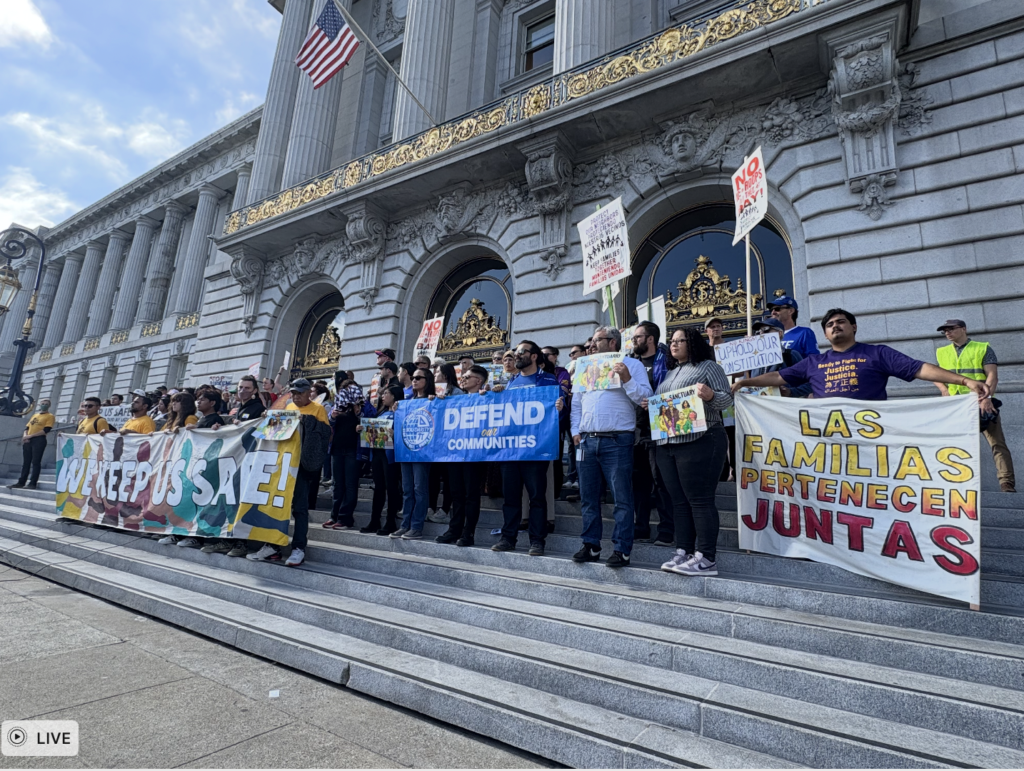
San Francisco activists mobilized widespread resistance as federal agents prepared deployments, prompting political intervention that halted an immediate surge but leaving local organizing and skepticism intact.
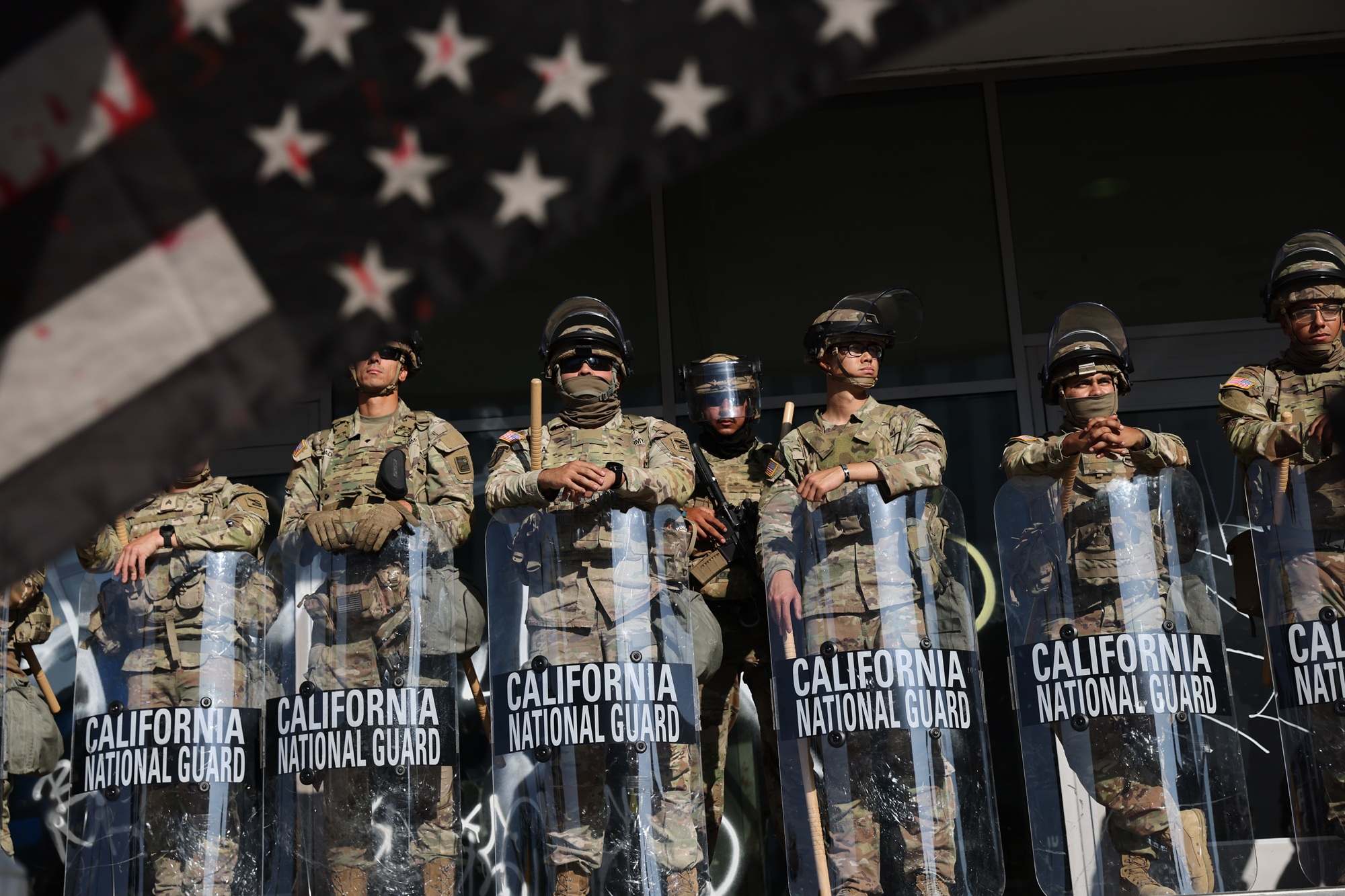
fromTruthout
6 months agoFrom Judges to Journalists, Wisconsinites Show Up to No Kings Protests
In Monona, a suburban city of around 9,000 residents just outside the capital city of Madison, around 400 people lined one of the busiest corners of the main street of the city. Protesters held signs in opposition to President Donald Trump, took part in cross-street chanting, and encouraged vehicles to honk their car horns in support - which dozens of cars did.
US politics
New York City
fromsilive
6 months agoPeople are driving to Staten Island for extreme Halloween displays, as group takes scary home decorations next-level
A grassroots Staten Island haunted-houses network grew from one homeowner’s display into dozens of decorated homes connecting hundreds of families and making Halloween accessible.
[ Load more ]