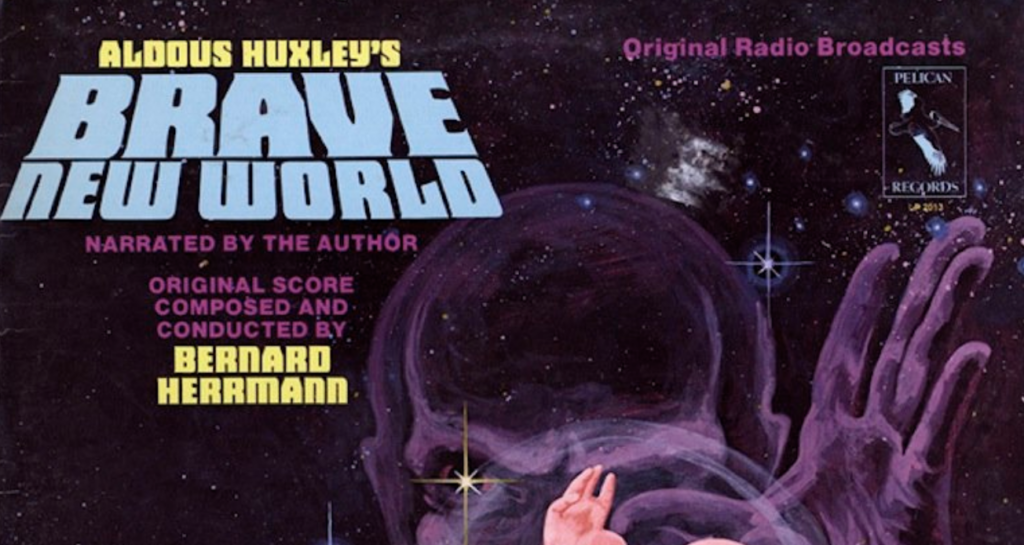
Podcasting has transformed over two decades from experimental medium to mainstream habit, reflecting humanity's enduring connection to oral storytelling. Despite technological and platform changes, the fundamental appeal of narrative remains constant. However, podcasting differs markedly from radio's golden age. While radio programs were carefully scripted and professionally produced, featuring orchestrated interviews and elaborate sound design, podcasts embrace informality and intimacy. Radio's formalities and analog recording limitations created a distinctive, gravitas-filled sound associated with bygone eras. Television's rise in the mid-1950s diminished radio's dominance, marking the end of its golden age.
"Over the past two decades, the medium has gone from niche experiment to mainstream habit, becoming a regular part of how we learn, entertain ourselves, and pass the time. The popularity of podcasts—in an age of ubiquitous screens and perpetual distractions—speaks to something deep within us. Oral storytelling, as old as human speech, never really disappears."
"Where the podcast is often off-the-cuff, and often very intimate and personal—sometimes seen as 'too personal'—radio programs were almost always carefully scripted and featured professional talent. Even those programs with man-on-the-street features or interviews with ordinary folks were carefully orchestrated and mediated by producers, actors, and presenters."
"All of these formalities—in addition to the limited frequency range of old analog recording technology—contribute to what we immediately recognize as the sound of 'old time radio.' It is a quaint sound, but also one with a certain gravitas, an echo of a bygone age."
Read at Open Culture
Unable to calculate read time
Collection
[
|
...
]