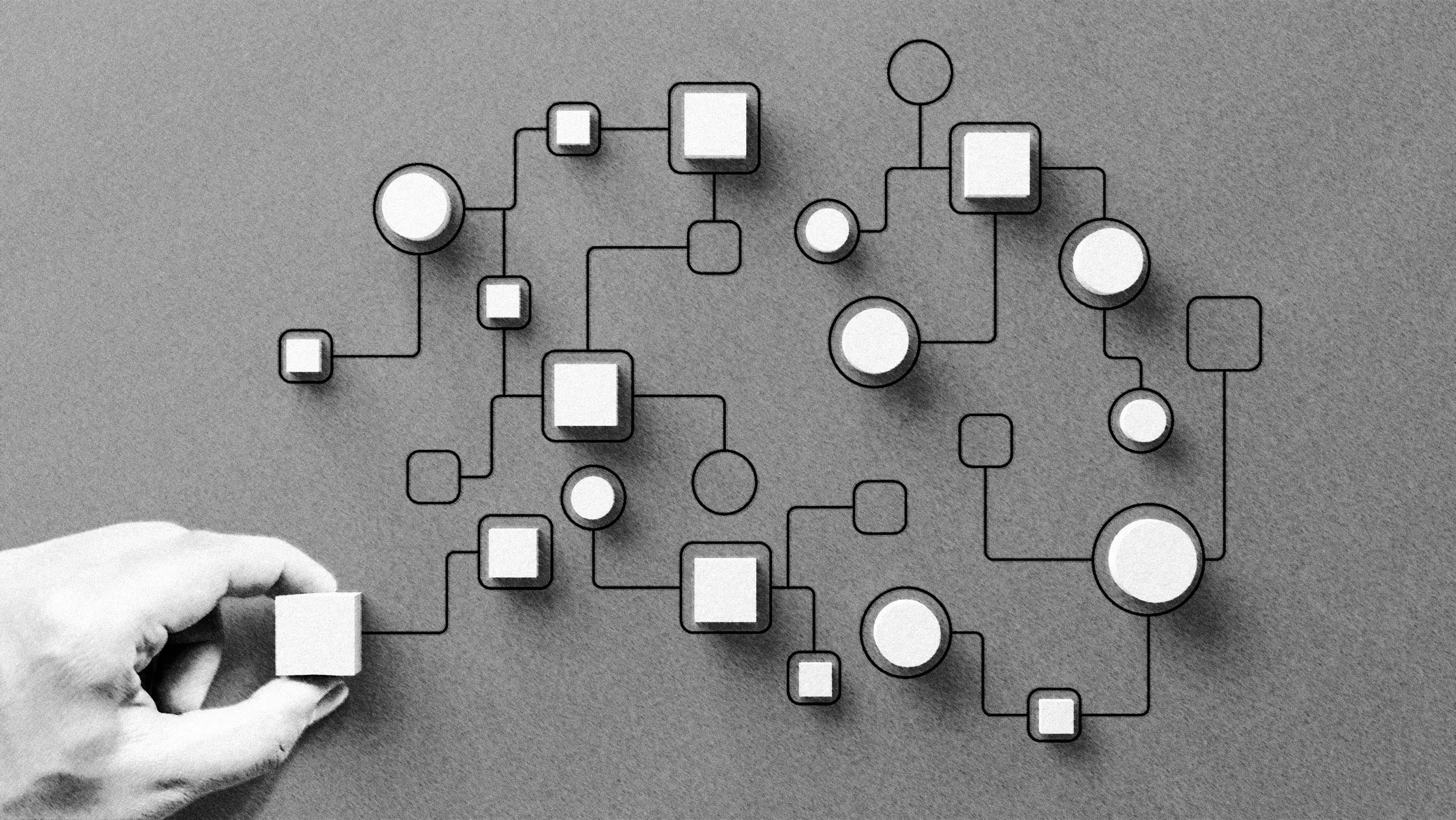
"These days I use systems. I work with rituals. I get my most important tasks (MIT) done between 9 a.m. and 12 p.m. I schedule my MIT's the night before. And get straight to work at the scheduled time. Ninety percent of the time at the same place. I've done it for so long, I do it on autopilot now. My three-hour block means no motivation required."
"Goals are about the results you want; systems are the processes you actually follow. Your goal might be to "write a book." The system is "open the laptop at 7 a.m. and write 200 words before you start your other tasks." Systems make good habits stick. They take away unnecessary mental decisions. So you can focus on your meaningful tasks."
Willpower alone fails because the brain prefers the path of least resistance and avoids decisions. Creating systems and rituals produces defaults that trigger productive actions without motivation. Schedule most important tasks (MIT) the night before and work a consistent three-hour block, preferably in the same place, to run on autopilot. Systems specify actions (for example, open laptop at 7 a.m. and write 200 words) instead of only stating goals. Systems remove unnecessary mental decisions, conserve decision energy, and increase follow-through on activities like writing, exercising, saving, and healthy eating.
Read at Fast Company
Unable to calculate read time
Collection
[
|
...
]