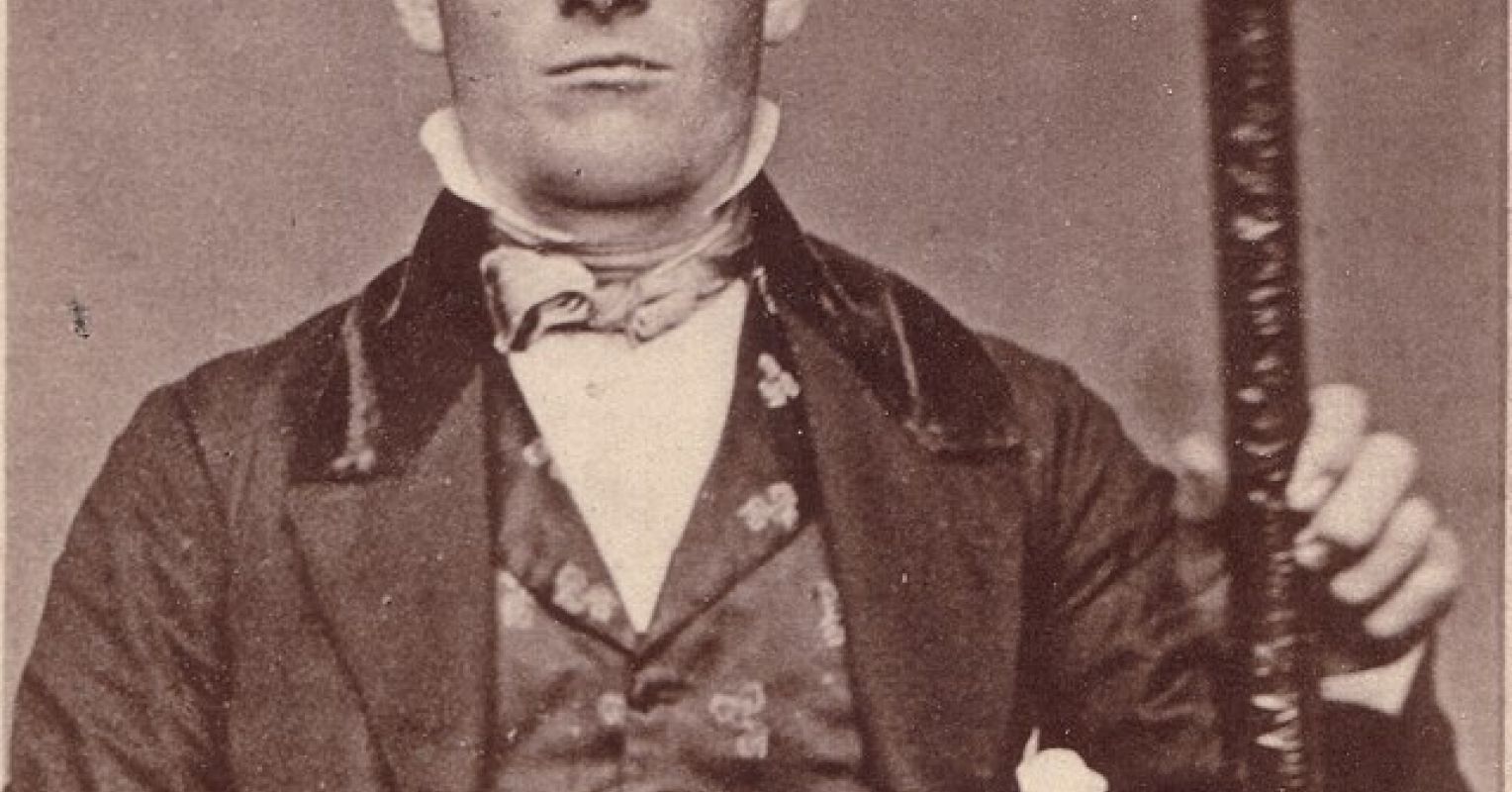
Myths develop and persist despite contradicting evidence, as illustrated by the Phineas Gage case where inaccurate narratives overshadowed factual accounts of his recovery. Gage's treating physician's version became dominant despite significant distortions about his behavior, employment, and family relationships. This pattern of myth-making extends to modern misconceptions about boredom. The article challenges popular beliefs that boredom drives creativity and benefits individuals. Chronic boredom, particularly experienced by those with brain injuries, represents a genuine problem rather than a beneficial state. Understanding how myths form and spread is essential for addressing misconceptions about psychological phenomena.
"The initial, and it should be said, widely differing impressions of Gage's case, came from his treating physician, John Harlow, and his surgeon, Henry Bigelow. Harlow's version won the day. We learn from Harlow that shortly after his injury, Gage began acting in a childish manner, not fit for polite society. From there things just get wilder (and more divorced from the truth)."
"Gage apparently struggled to maintain employment (not true, he held several jobs, some of which would have required a high level of responsibility). He had poor relations with his wife and children (not true - he didn't have either as far as we can tell). Truth did not seem to matter to the myth makers, for them Gage was clearly 'no longer Gage'."
Read at Psychology Today
Unable to calculate read time
Collection
[
|
...
]