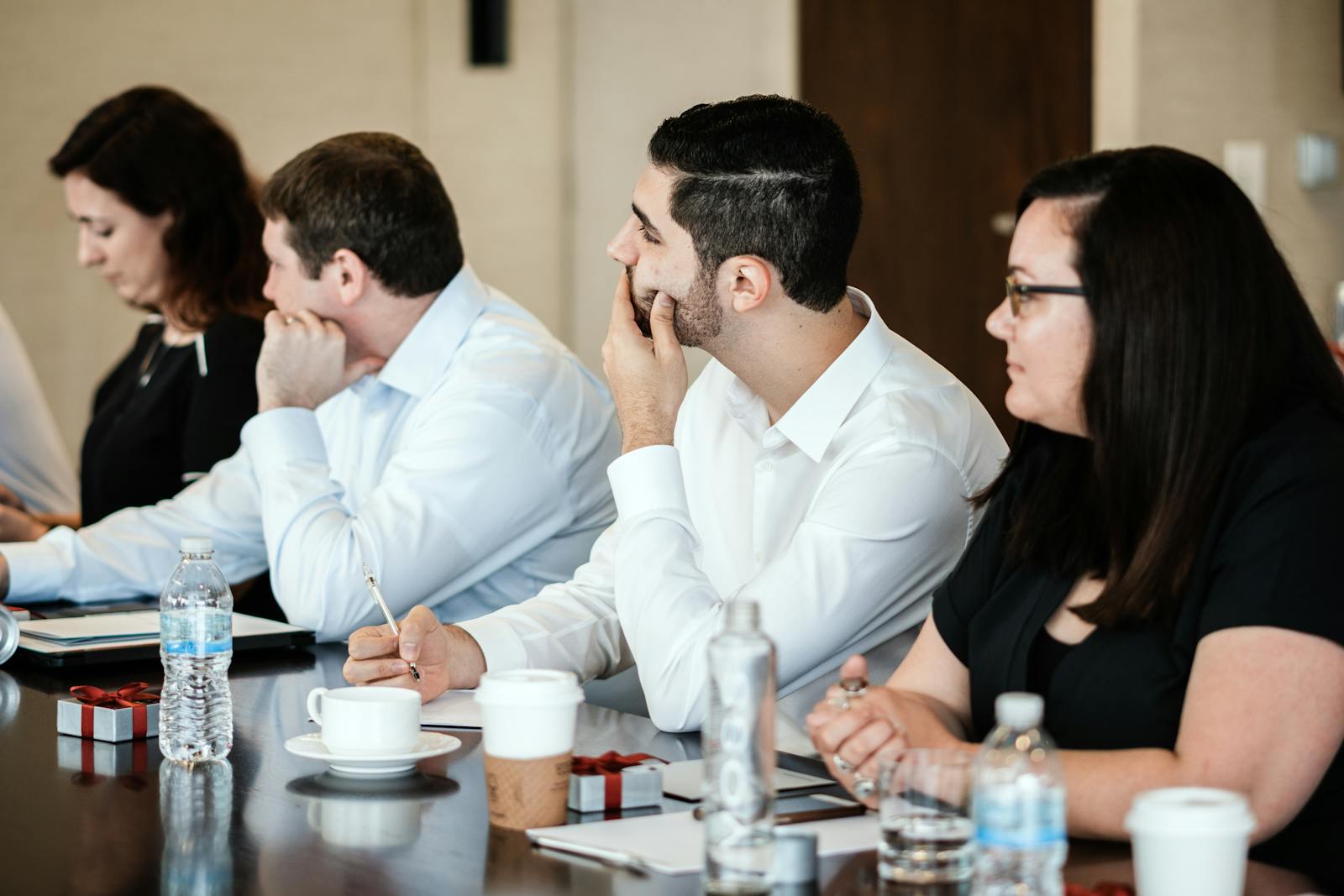
"In the average six-person meeting, three people do 70% of the talking. The other three are not disengaged. Brain imaging shows the quiet ones often have higher cognitive load than the talkers."
"The quiet person isn't absent. They're running numbers. Will this contribution be remembered as the moment I added something useful, or as the moment I became the person who talks for the sake of talking?"
"People develop this habit because, at some point, speaking carried a cost they're still paying off. Maybe it was a manager whose tone suggested the opposite of interest."
"Overthinking is described as two habits looping on repeat: replaying the past and rehearsing the future, stemming from a nervous system that won't relax until it has certainty."
In an average six-person meeting, three individuals contribute 70% of the dialogue, while the quieter participants are not disengaged. Instead, they are engaged in complex cognitive processes, weighing the potential impact of their contributions. This behavior is often misinterpreted as shyness or lack of confidence. The quiet individuals are performing a cost-benefit analysis based on past experiences where speaking up may have had negative consequences. Their internal calculations stem from a history of social dynamics that discourage open communication.
Read at Silicon Canals
Unable to calculate read time
Collection
[
|
...
]