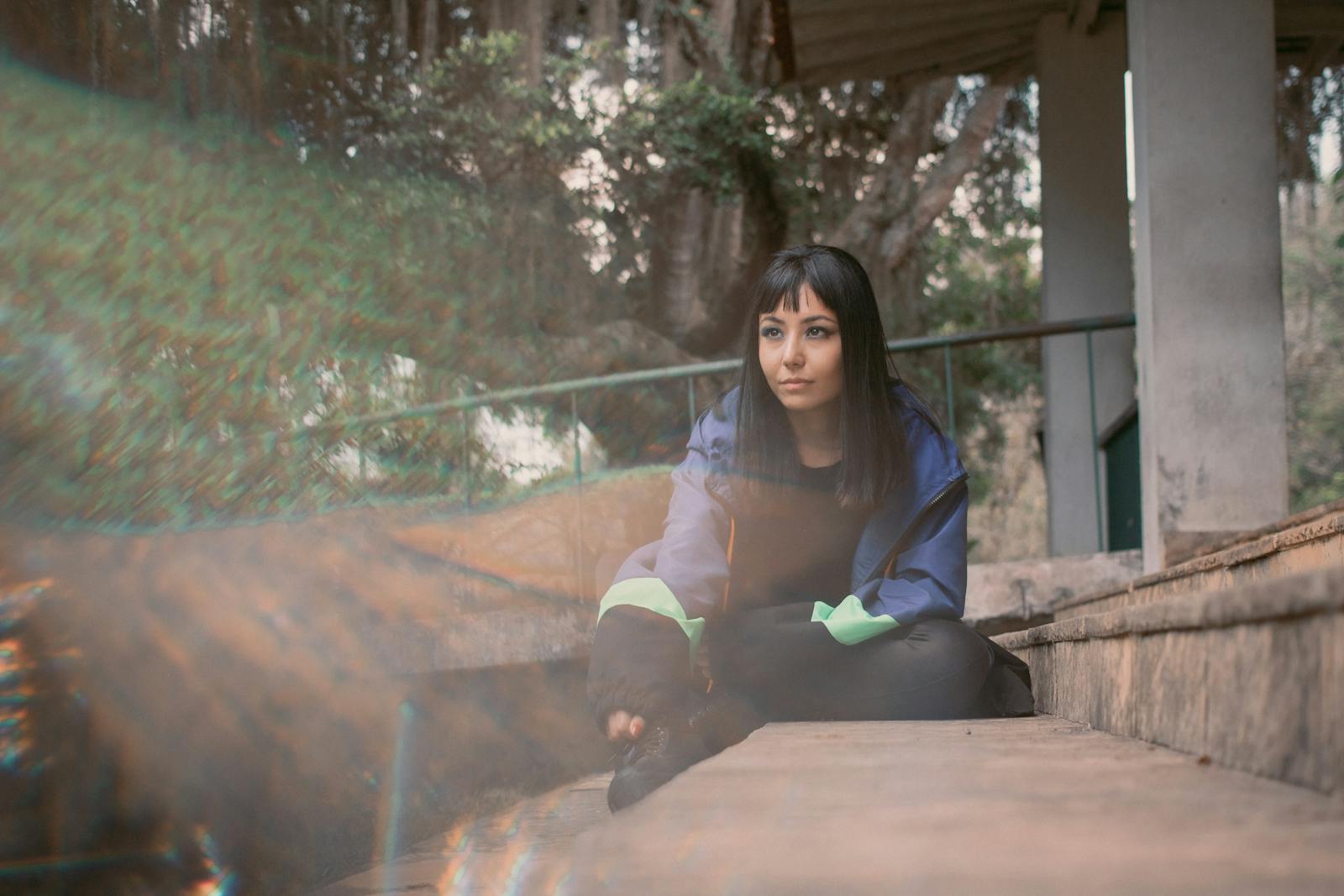
"There's a persistent cultural assumption that emotional flatness equals emotional absence. That if someone doesn't cry, they aren't sad. If they don't raise their voice, they aren't furious. If they process terrible news without visible rupture, they must be cold inside. Clinical psychologists have been pushing back against this reading for years."
"Dr. Jonice Webb describes a pattern she sees constantly in practice: individuals who appear emotionally muted are often among the most emotionally intense people in the room. They simply learned, through early and repeated experience, that showing it was dangerous. The stillness that others interpret as indifference is often something closer to a fortified wall, built one painful interaction at a time, starting in childhood."
"A child expresses distress. The parent, caregiver, or environment responds with punishment, ridicule, dismissal, or withdrawal. The child's nervous system, which is remarkably efficient at learning survival rules, files the lesson: emotion displayed equals pain received. Research has shown that children who are consistently shamed or punished for expressing emotion develop affect suppression strategies as early as age four or five."
Emotional flatness is commonly misinterpreted as emotional coldness or indifference, but clinical psychology reveals a different reality. Individuals who respond to crises with stillness and minimal visible reaction often possess intense inner emotional lives. This pattern develops through childhood experiences where expressing emotion resulted in punishment, ridicule, or withdrawal. Children's nervous systems efficiently learn these survival rules, developing affect suppression strategies as early as ages four or five. These automatic responses persist into adulthood, creating the appearance of emotional mutedness while masking significant internal emotional intensity. The calm exterior represents a protective wall built through repeated painful interactions rather than genuine emotional absence.
#emotional-suppression #childhood-trauma #emotional-intelligence #developmental-psychology #mental-health
Read at Silicon Canals
Unable to calculate read time
Collection
[
|
...
]