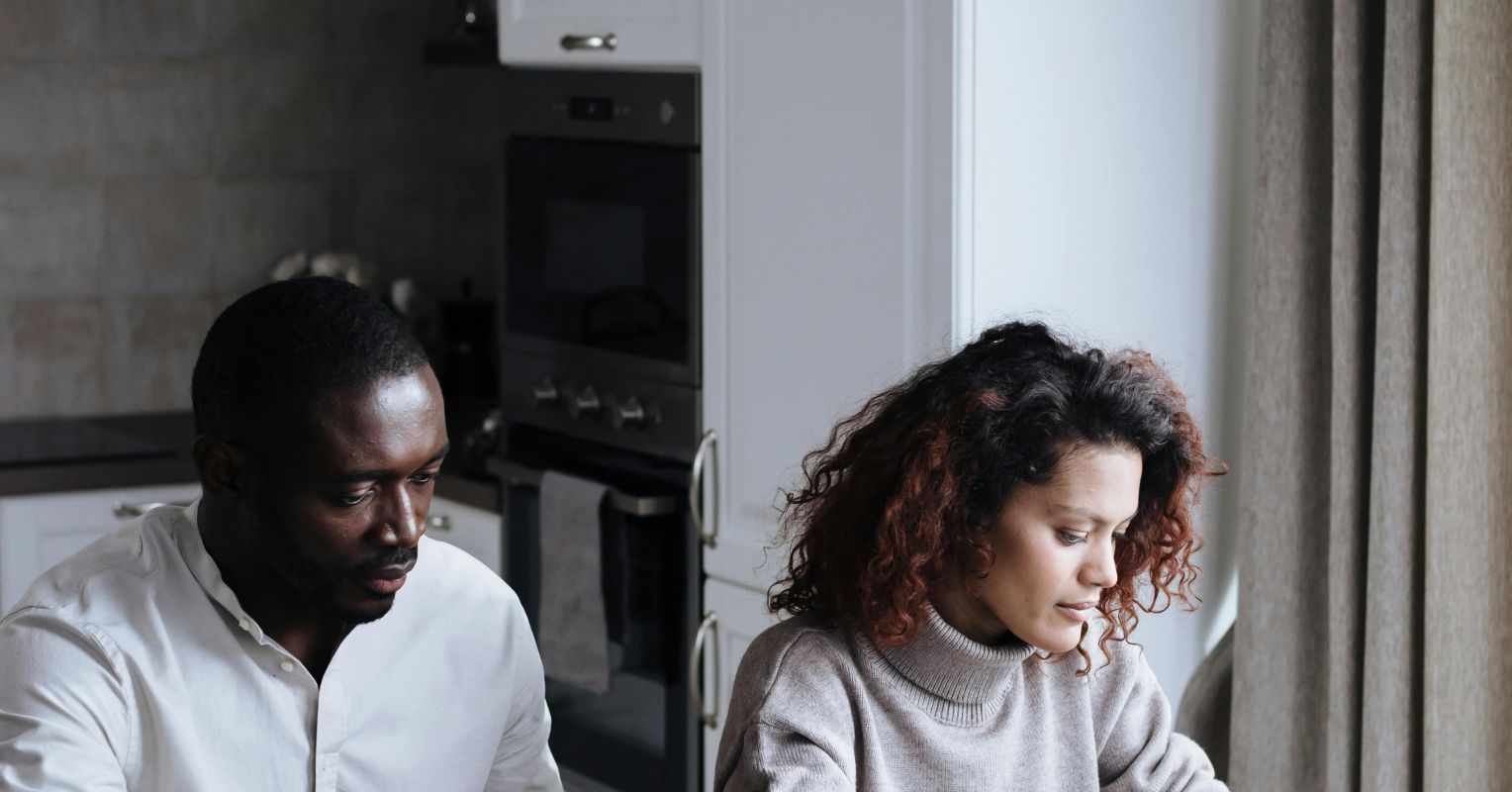
"When two people from different cultural backgrounds choose to build a life together, they are not only blending traditions and families but also continually renegotiating questions such as "Who am I now?" and "Where do I belong?" For cross-cultural marriages, questions of identity and belonging often sit just below the surface of daily life. Choices about language, holidays, child-rearing, faith practices, and even food can evoke powerful feelings of loyalty, loss, pride, or conflict."
"Recent literature explores the idea that, in cross-cultural marriages, each partner brings a complex, layered identity (Ducu & Hossu, 2025; Nguyen & Benet-Martínez, 2013). Over the course of their marriage, partners may experience identity expansion, a feeling of enrichment from new traditions, languages, and perspectives; identity conflict, when one may feel torn between cultures or pressured to choose one; and identity marginalization, a feeling of not fully belonging in either cultural world (Nguyen & Benet-Martínez, 2013)."
Cross-cultural marriages involve continual negotiation of personal and shared identity, posing questions like "Who am I now?" and "Where do I belong?" Everyday choices—language, holidays, child-rearing, faith practices, and food—can evoke loyalty, loss, pride, or conflict and gradually shape each partner's self-understanding and the couple's "we." Partners may experience identity expansion, conflict, or marginalization depending on cultural pressures and life milestones such as relocation, parenting, or loss. Belonging operates multidirectionally across family, partner, culture, and society. Practitioners should normalize shifting identities and support couples in honoring individual roots while co-creating shared values, rituals, and identities.
Read at Psychology Today
Unable to calculate read time
Collection
[
|
...
]