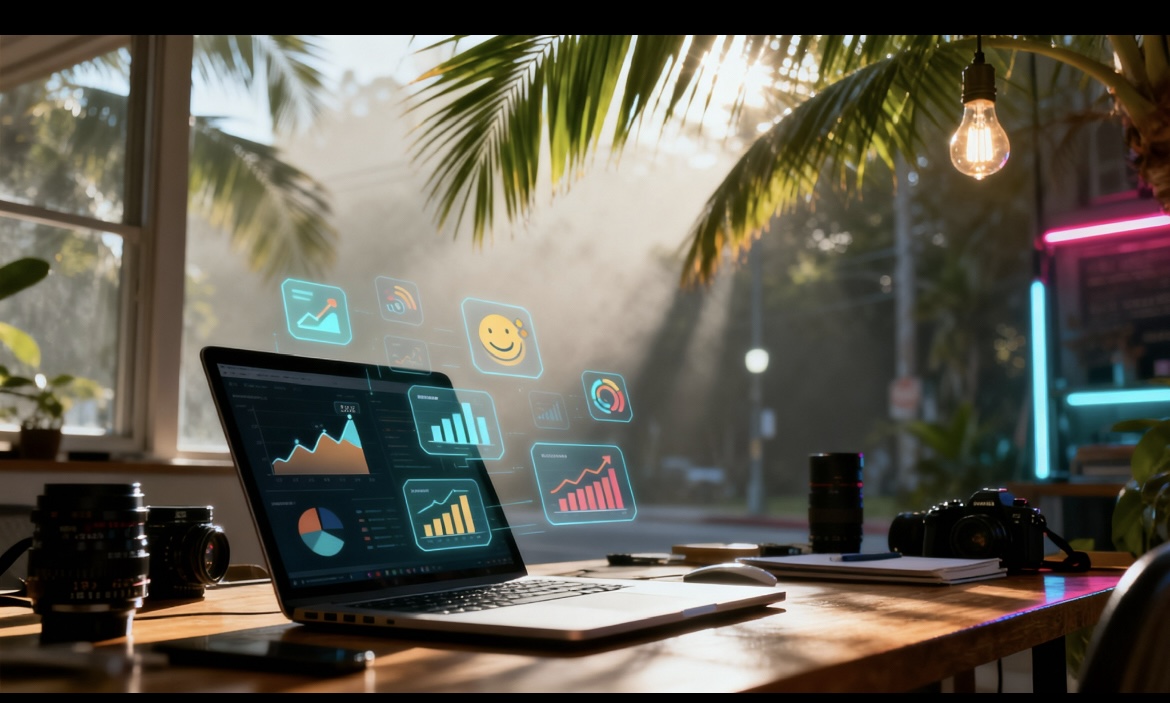
Remote work has become the norm, prompting a shift from measuring hours to understanding how time is distributed across tasks, applications, and collaboration. Modern workforce analytics uncover work flows, identify friction points, and relate productivity to employee well-being. The model of "work intelligence" treats time as one of many signals and emphasizes outcomes and impact over raw hours. Tools now recognize patterns through automatic activity, app, and website tracking to reveal true efficiency. Configurable monitoring options align data collection with organizational culture and privacy expectations, while focusing on trends and workload balance rather than micromanagement.
"Modern workforce analytics help teams understand how work flows, where friction appears, and how productivity and well-being intersect. Sargsyan describes this as the foundation of "work intelligence," a model where time is just one signal among many. "The future isn't about tracking hours," he says. "It's about understanding what work produced, why it mattered, and how effort translates into results.""
"From Clock-Punching to Pattern Recognition Traditional time tracking software was designed to answer how many hours someone worked for timesheets, billing, and payroll automation data, but it offered little insight into how work actually happened. Today's workforce analytics tools focus less on counting hours and more on recognizing patterns. Automatic time and activity tracking, and app and website tracking, now reveal workplace efficiency."
Read at Tech Times
Unable to calculate read time
Collection
[
|
...
]