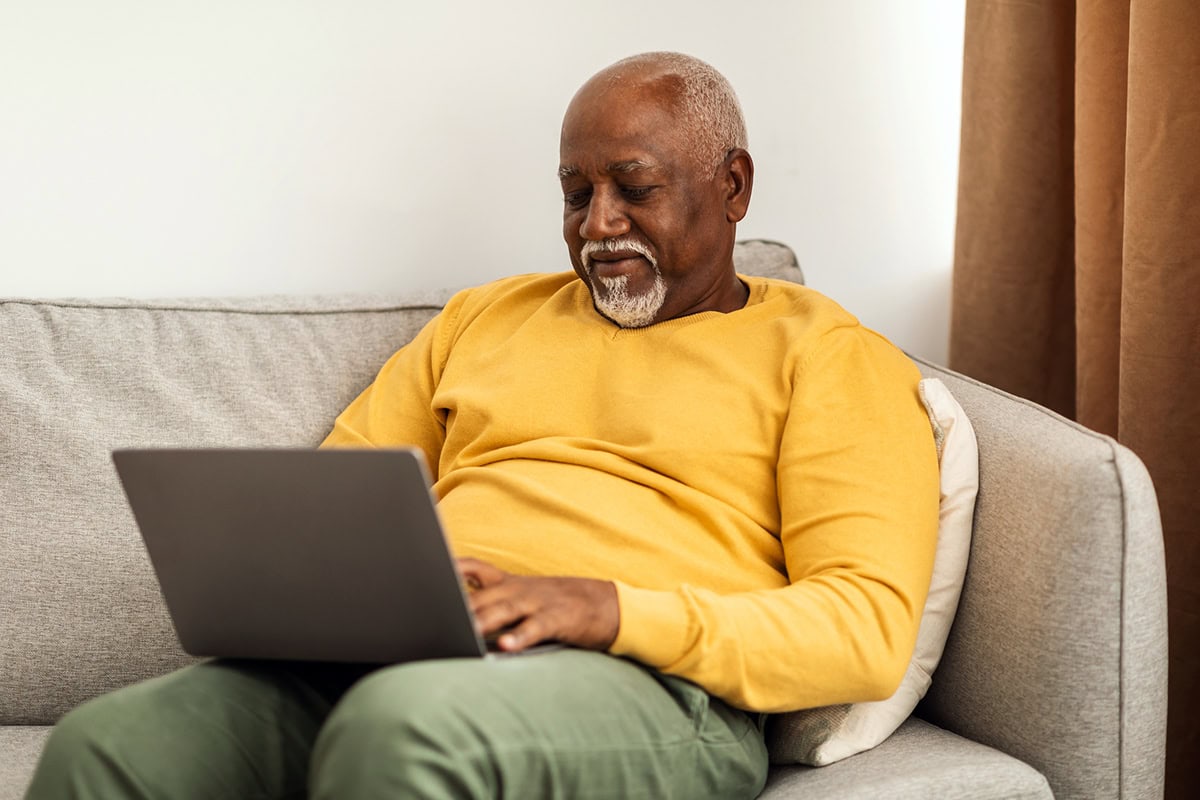
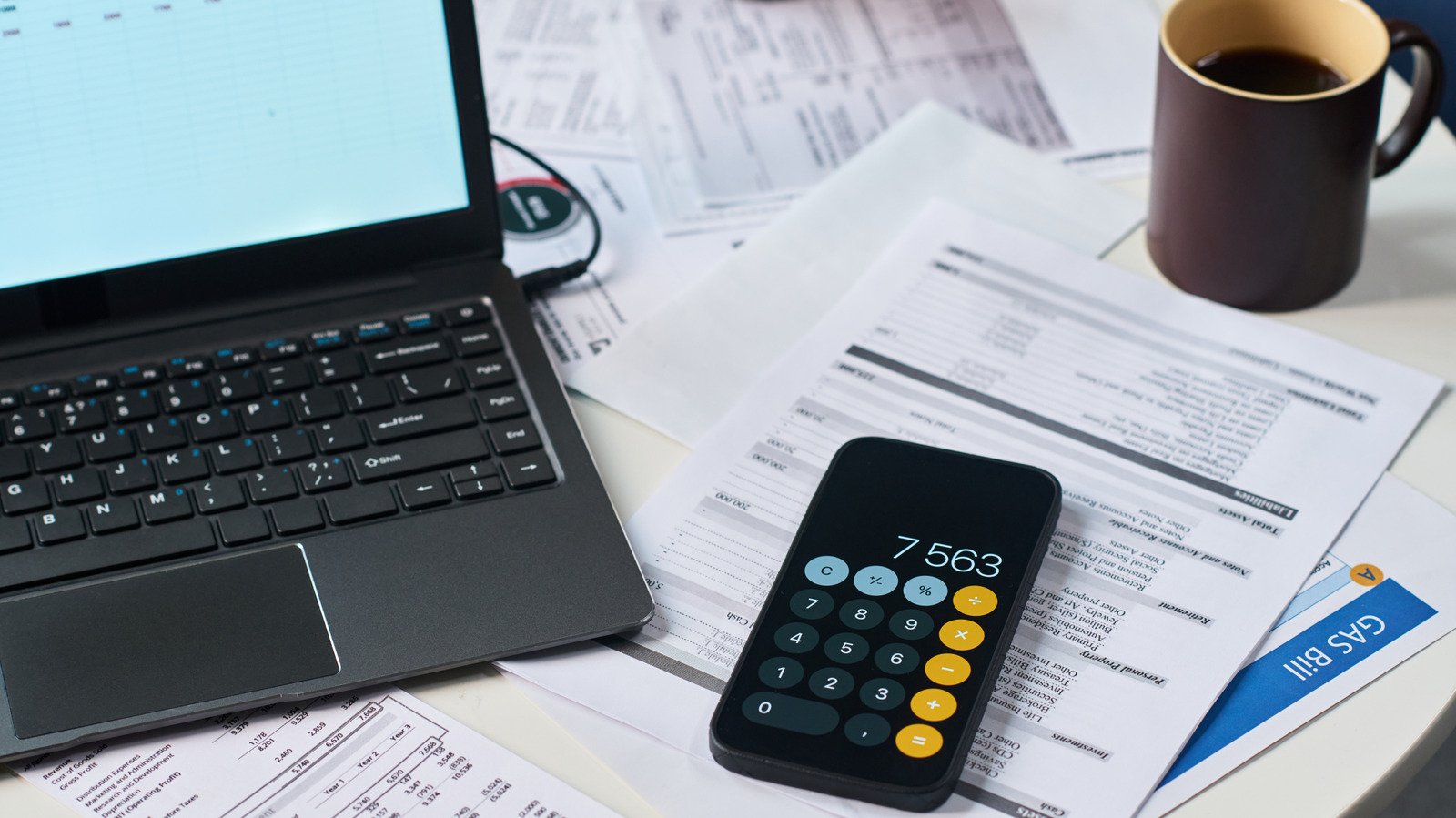
A workday that starts at the kitchen table is no longer an exception but a sign of how fast opportunity has moved. Imagine waking up, sipping your coffee, and starting your workday all without leaving the comfort of your home. Sounds like a dream, right? Well, for millions, it's now a reality. Remote work has transcended from a passing trend to a full-fledged lifestyle.
In today's digital workplaces, cyber threats rarely begin with broken systems. They begin with everyday actions-opening emails, sharing information, or accessing online platforms. Security awareness training helps reduce cyber attack risks by strengthening how individuals recognize and respond to these situations. Rather than focusing on technical controls alone, organizations are increasingly prioritizing cyber awareness as a core defense strategy. When users understand common threats such as phishing, social engineering, and unsafe online behavior, they are better equipped to prevent incidents before damage occurs.
Working from home has become commonplace, and having the proper equipment around your home workspace can be the difference between an inviting workday and an uncomfortable slog through your daily tasks. Readily available are gadgets that make working from home easier, as well as gadgets to boost productivity when working from home. They range from ergonomic furniture to electronics you can put to use on a daily basis.
"We had the same turnover throughout the pandemic," Joy explained. "But we had no profit. And the reason is, we needed more people to be able to deliver the same amount of work... because we were working from home and productivity just tanked."
Archaeological evidence shows that early humans, particularly hunter-gatherers, lived in small, mobile groups. These groups roamed vast landscapes in search of food and resources. Mobility was essential for survival, allowing early humans to adapt to changing environments. According to research from Our World in Data, a respected platform led by economist Max Roser, most of human history was spent in this nomadic state. This lifestyle fostered flexible social structures. Leadership was temporary, and decisions were made collectively.
"Whether you're drawn to the refined energy of Vail, the connected ease of Park City, or the rich culture of the Roaring Fork Valley, one thing is certain: living in a world-class ski town means embracing a lifestyle that doesn't end when the lifts stop running,"
From reproductive rights to climate change to Big Tech, The Independent is on the ground when the story is developing. Whether it's investigating the financials of Elon Musk's pro-Trump PAC or producing our latest documentary, 'The A Word', which shines a light on the American women fighting for reproductive rights, we know how important it is to parse out the facts from the messaging.
Life as a CEO is busy, and I start my days early with exercise, meditation, and a strong cup of coffee, before I jump into a morning of back-to-back meetings. I'm very disciplined about how I work and communicate, but I try to keep time for thinking and being outside, especially at the end of the week. In the evenings, I slow down with family, simple rituals, and sleep, so I can do it all again the next day.
When most of us think of the holidays, we picture spending them with family - and that's exactly what my husband and I did for over 20 years. Our tradition was to stay in Los Angeles to be with my parents, grandparents, aunts, uncles, and cousins, who all lived within driving distance of our home. It was always fun eating tamales, dancing to traditional ranchero music, and laughing at my dad's nonsensical jokes.
To christen digital nomadism as a growing trend is a gross understatement. Brushing it off as a passing fad is a refusal to accept reality. While it's hard to pin down an exact figure, upper estimates suggest 80 million people could be living free from the constraints of the traditional office setup. That's the equivalent of the entire population of Germany upping sticks and working remotely.
I was twenty years old and a college student, which meant that I was quite useless. I found out that it was one kind of torture to do pointless work for two or three hours a day-usually, producing research memos that no one read-and then another kind of torture to figure out how to do nothing until it was acceptable to leave the office at 5 p.m.
1. A ring light so you can take all your important meetings looking like your brightest, best self and not like you work in a dark cave. It's got three different light modes, 10 brightness levels, and easily attaches to your computer or phone.
Gadsden is in an ideal location in northeast Alabama - you can easily get to major hubs like Birmingham or Huntsville, or even Chattanooga or Atlanta. But here's the important thing: with current technology, you can have a great job without living in any of those places. You can live in Gadsden and enjoy our amazing natural resources, events, businesses and quality of life while still being connected and working remotely.
Modern workforce analytics help teams understand how work flows, where friction appears, and how productivity and well-being intersect. Sargsyan describes this as the foundation of "work intelligence," a model where time is just one signal among many. "The future isn't about tracking hours," he says. "It's about understanding what work produced, why it mattered, and how effort translates into results."
I'm sorry you didn't mention what the benefit structure is at your company. Erin took a job on the Q.T. while still on your boss's payroll. In the state where I live (California), that would be a reason to fire her. I do not regard enlightening your boss about what Erin did as deceitful. I think what you did was the right thing to do and loyal to the company.