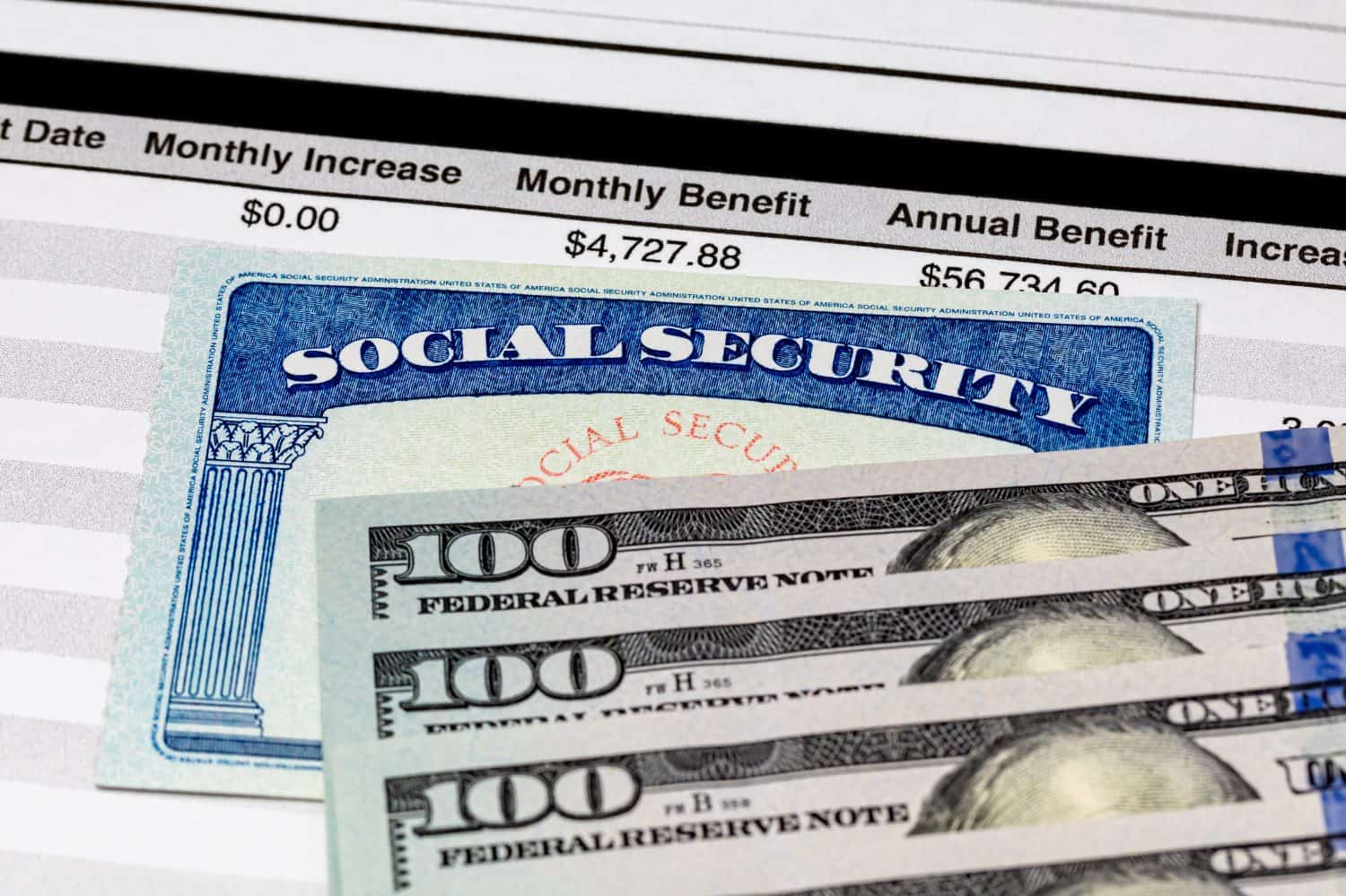
Social Security benefits can be taxed if combined income exceeds $25,000 for single filers or $32,000 for joint filers. These thresholds are outdated and not inflation-adjusted, making it easy to incur taxes on benefits. To avoid this, individuals can consider a Roth conversion before claiming Social Security, as Roth withdrawals do not count towards combined income. Additionally, withdrawing from Roth savings after claiming Social Security can help maintain income below the tax thresholds. Utilizing Qualified Charitable Distributions (QCDs) is another strategy to manage tax liabilities.
"Social Security benefit taxation hinges on combined income, which includes adjusted gross income, tax-free interest income, and 50% of Social Security income for the year."
"If your combined income is more than $25,000 as a single tax filer or above $32,000 as a joint tax filer, you risk taxes on your Social Security benefits."
"Roth withdrawals aren't counted in the combined income formula, allowing for tax-free access to funds without impacting Social Security benefit taxation."
"Using Qualified Charitable Distributions (QCDs) can help manage tax liabilities once required minimum distributions (RMDs) begin."
Read at 24/7 Wall St.
Unable to calculate read time
Collection
[
|
...
]