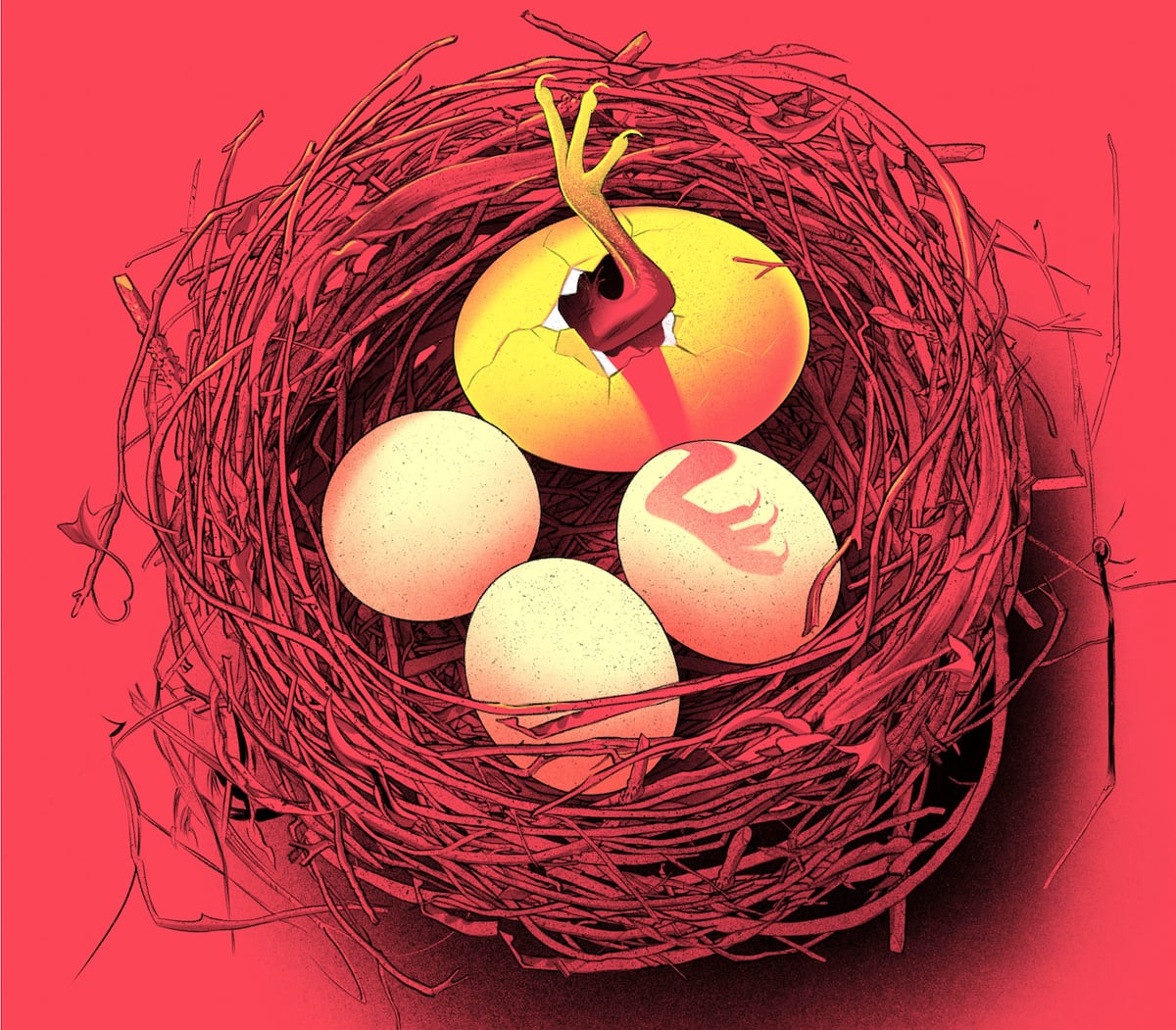
"These ideas, applied self-servingly to human society, led to concepts such as social Darwinism. Developed by Darwin's cousin Francis Galton, this gave rise to false ideas, such as the presumed superiority of certain races, or to terrible realities, such as the eugenics laws that were applied in many countries, not just in Nazi Germany. Richard Dawkins and his theory of the so-called selfish gene didn't paint a better picture when he stated that what matters in evolution isn't the survival of the individual or the"
"Thanks to ecology and the work of biologists such as Lynn Margulis, we know that relationships in an ecosystem are much more complex than Darwin and Wallace described them to be. Sometimes, the species that survive aren't those that compete best, but those that collaborate best. Symbiotic relationships where two different species benefit from each other are very common and can determine the survival of a species."
Evolutionary outcomes depend on exploitation, competition, cooperation, and symbiosis rather than solely on being best-adapted or strongest. Social Darwinism and eugenics arose from misapplications of evolutionary concepts, promoting false racial superiority and harmful laws in many countries. The selfish-gene perspective emphasizes genetic persistence over individual or species survival. Ecological research reveals ecosystems are more complex, with collaboration and mutualism often determining survival. Symbiotic relationships have driven major evolutionary transitions, including the incorporation of mitochondria from formerly independent bacteria. Plant root symbioses with bacteria and fungi enable nutrient exchange that supports food chains and human nutrition.
Read at english.elpais.com
Unable to calculate read time
Collection
[
|
...
]